Baroque Art
Baroque art emerged at the turn of the 17th century, not as an aesthetic whim, but as a response. In 1563, the Council of Trent gave Catholic artists a precise mission: to produce images that move, persuade, and draw back the faithful tempted by the Protestant Reformation. That mandate would transform European painting for a century.
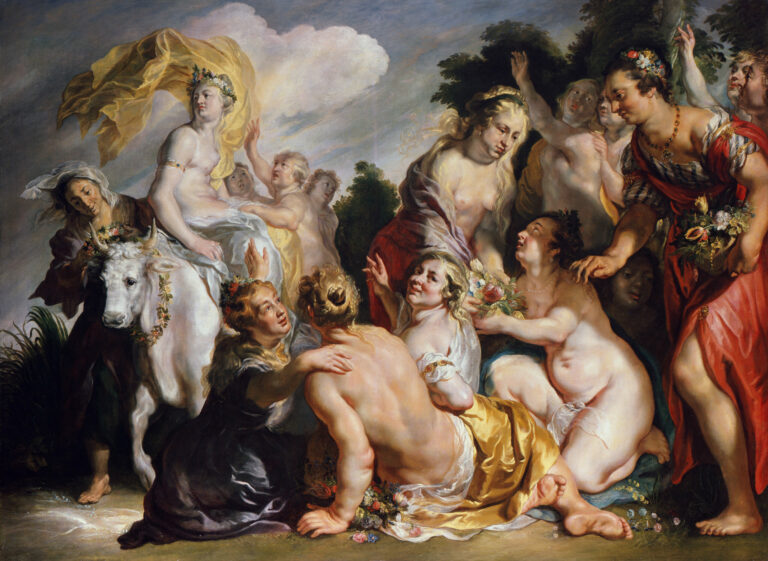
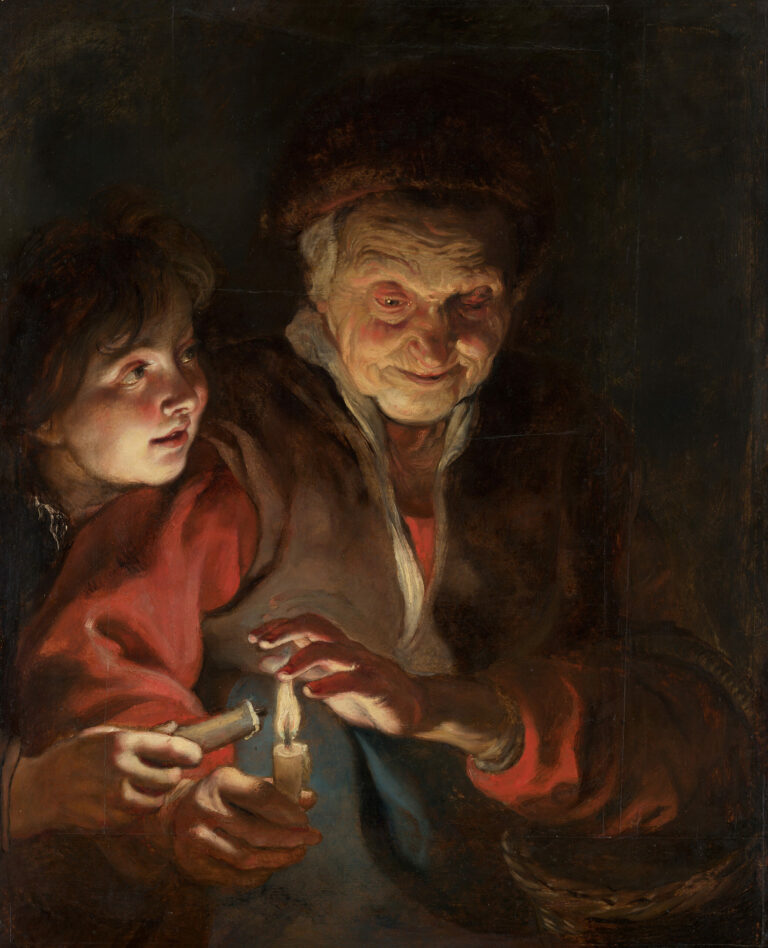
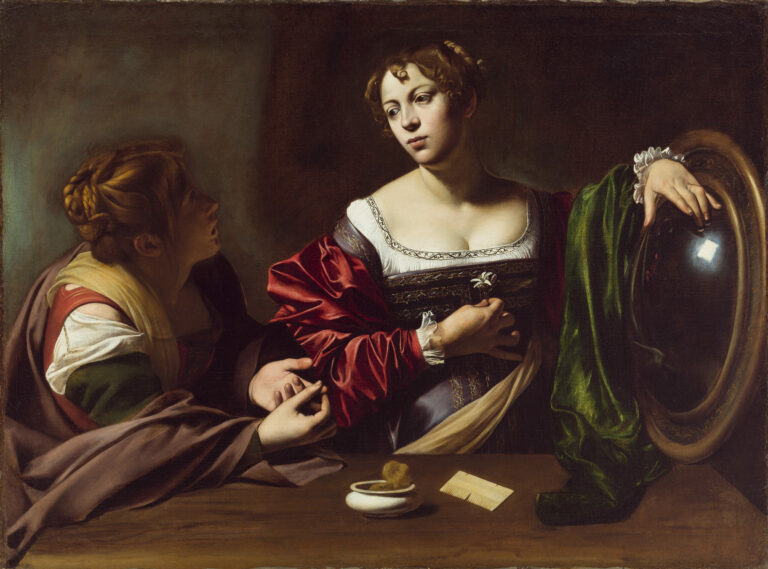
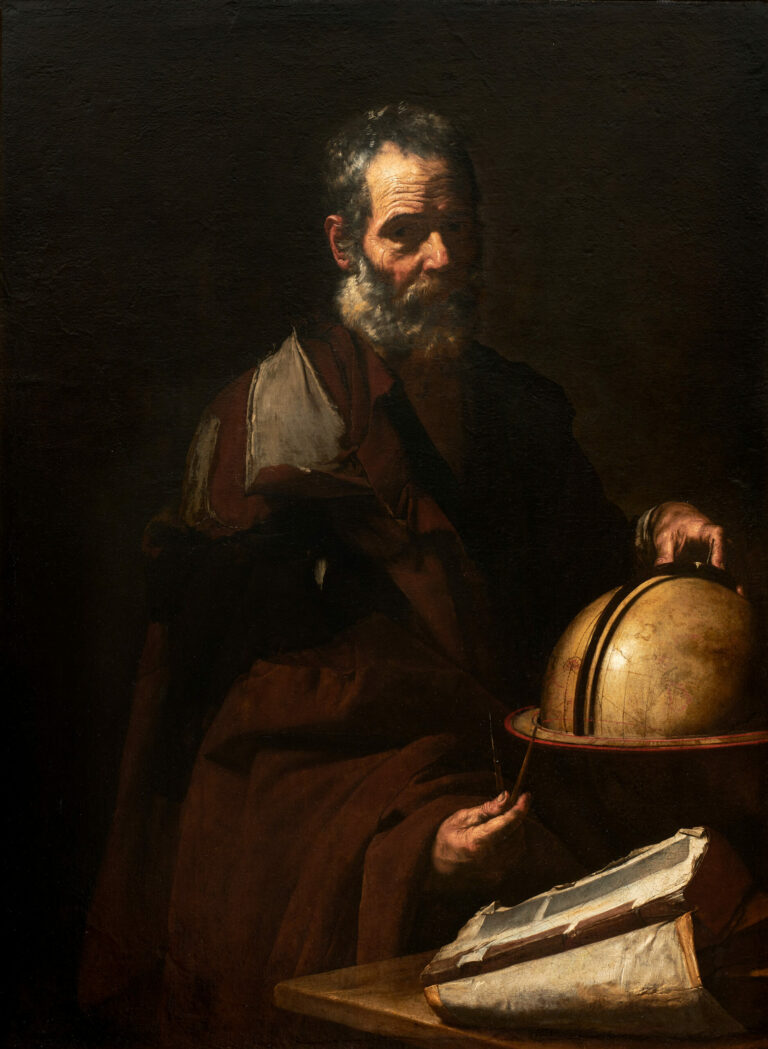
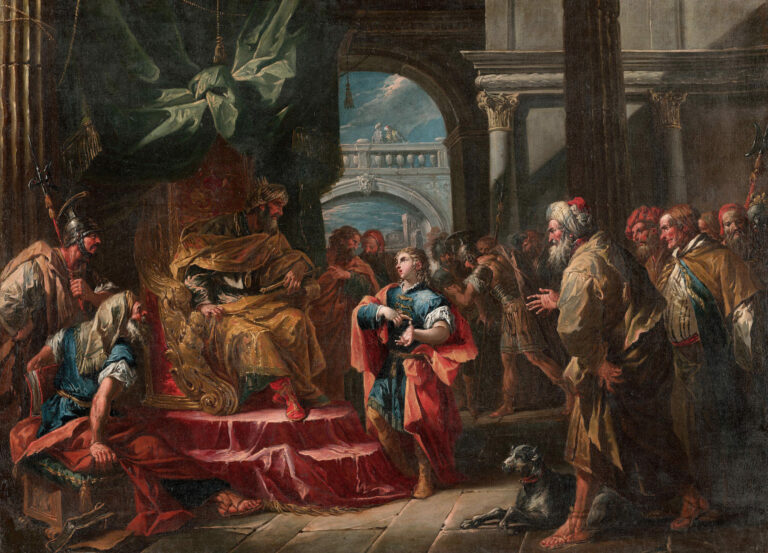
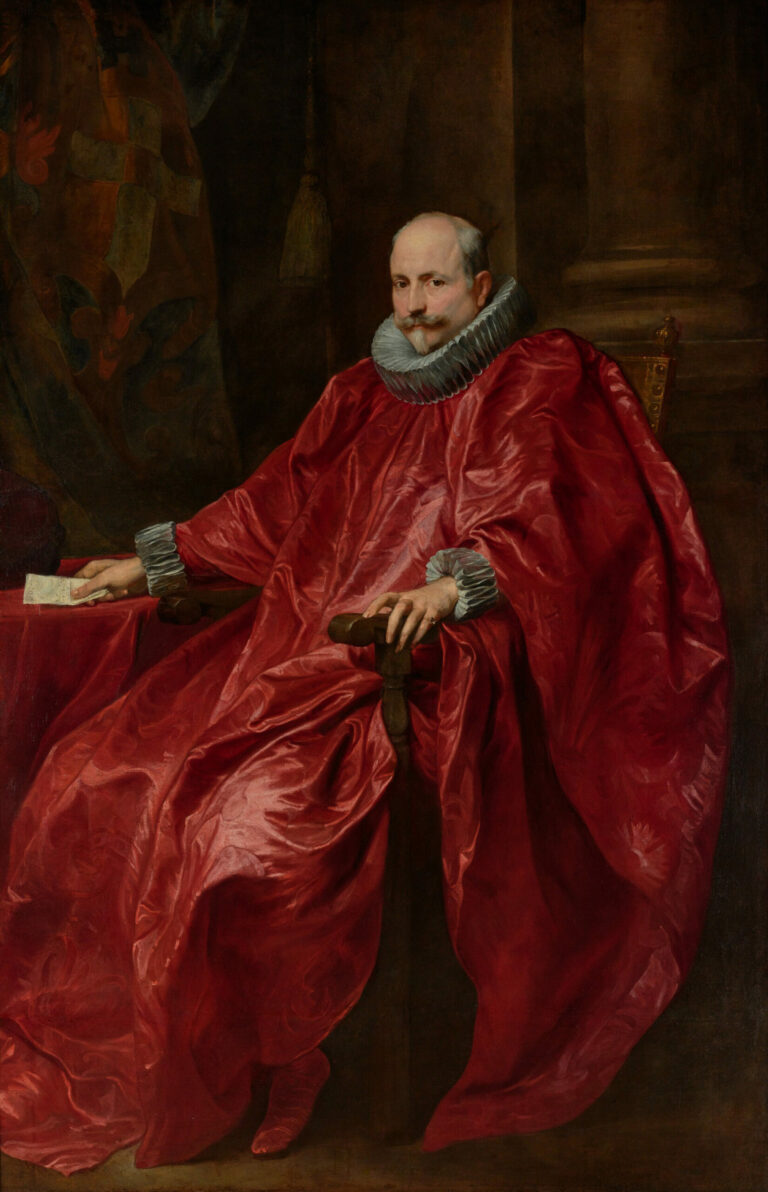
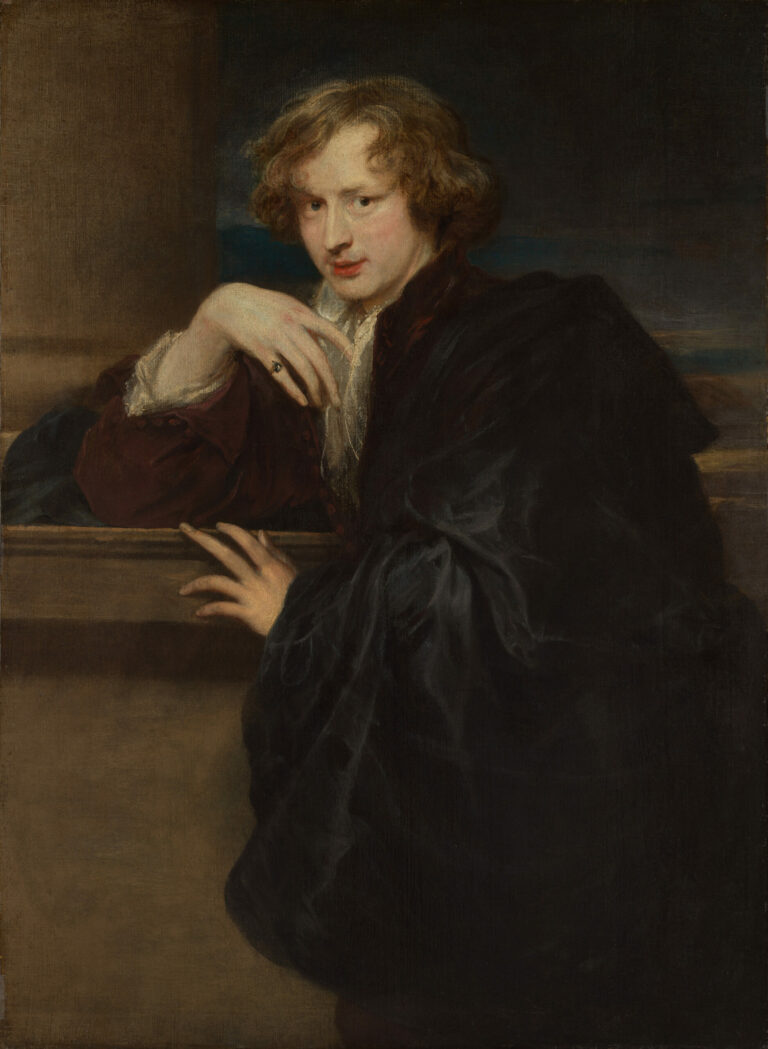
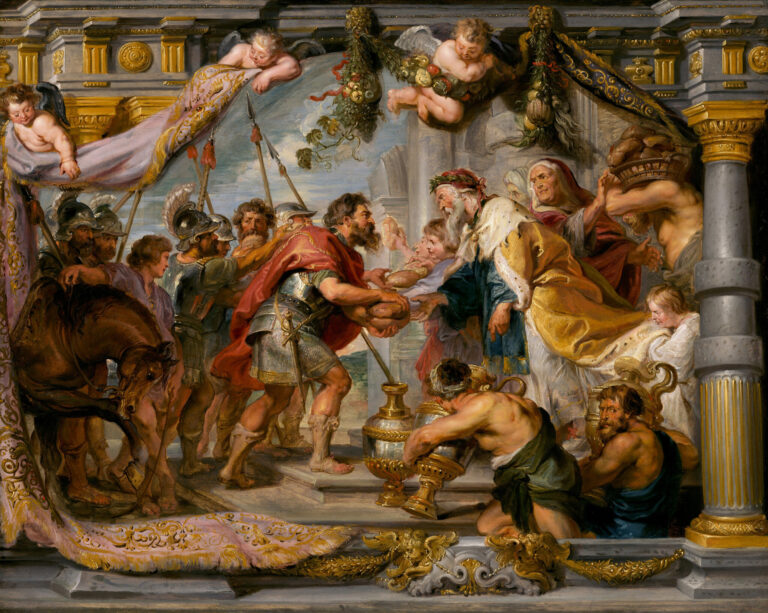
From Rome to Antwerp, from Madrid to Paris, very different artists answered that call, or seized it for their own purposes. Caravaggio invented a brutal light that captures the human body in its physical truth. Rubens built a visual rhetoric in service of Catholic courts. Velázquez painted psychology where his patrons expected glory. Artemisia Gentileschi embedded a singular perspective into conventional subjects.
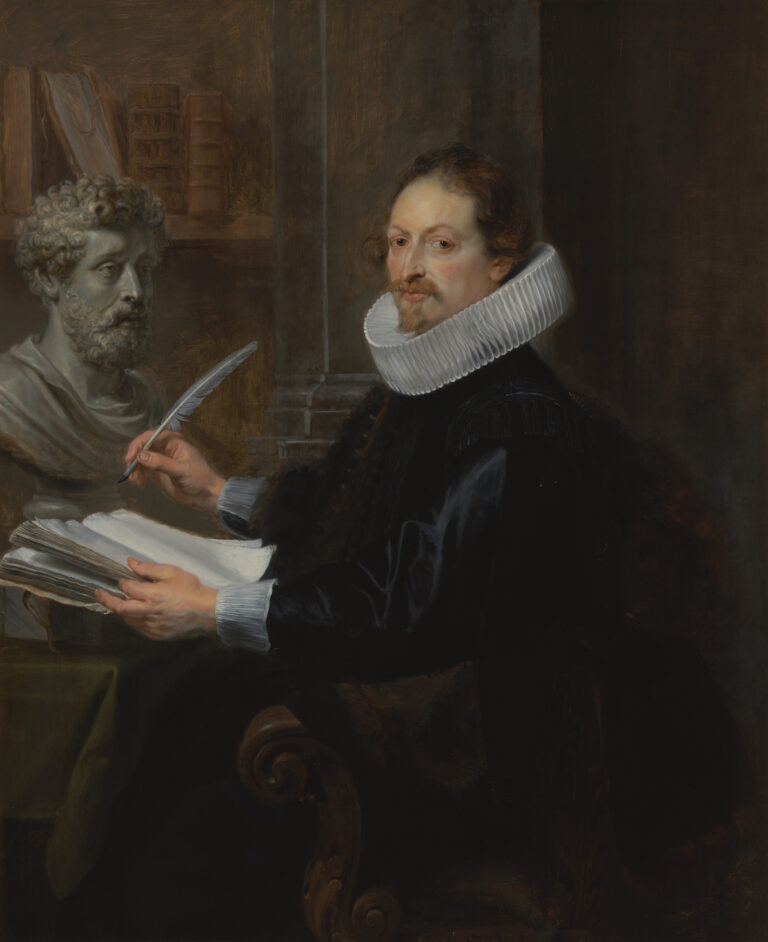
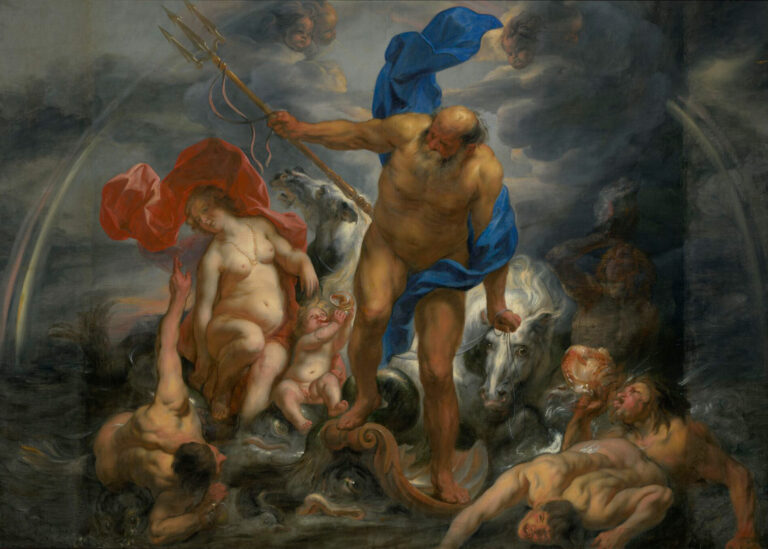
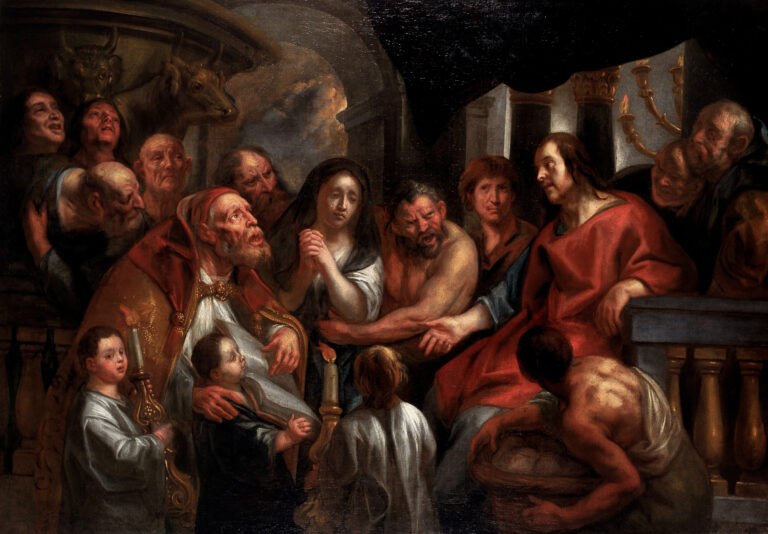
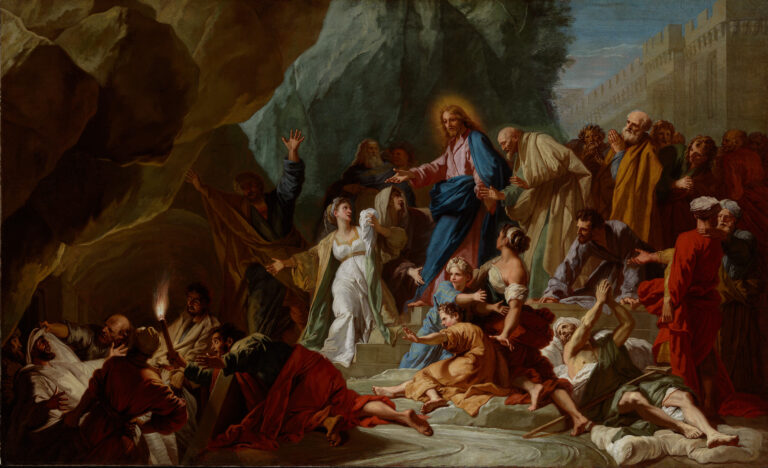
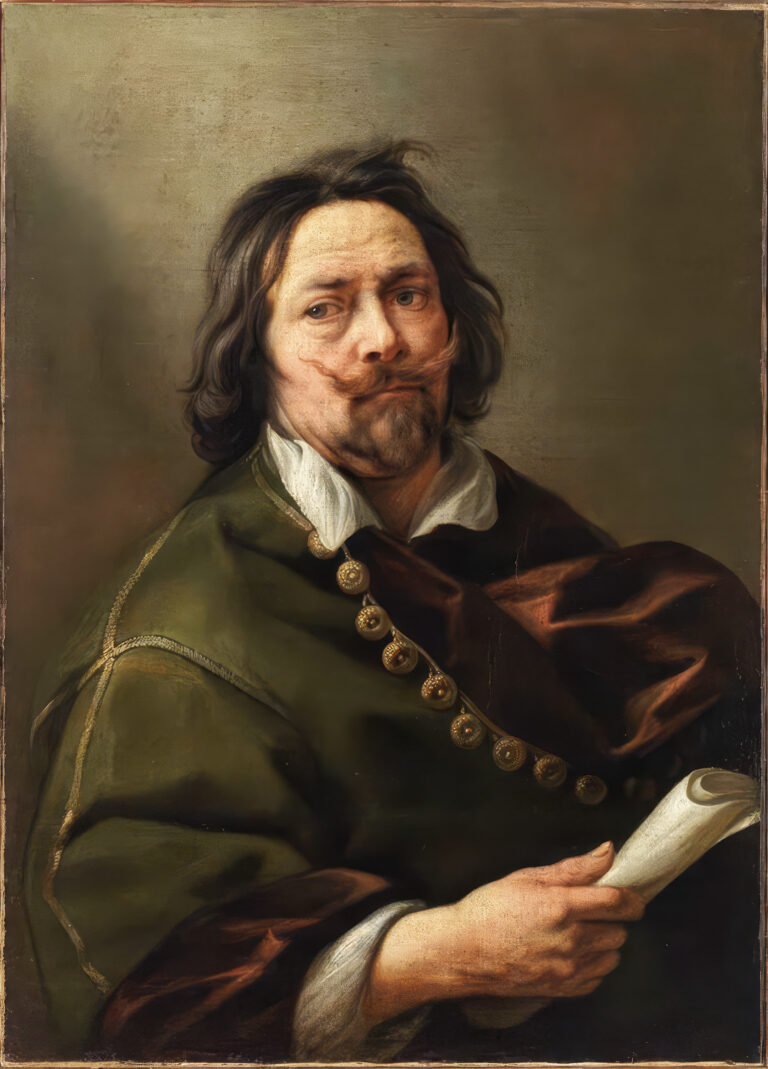
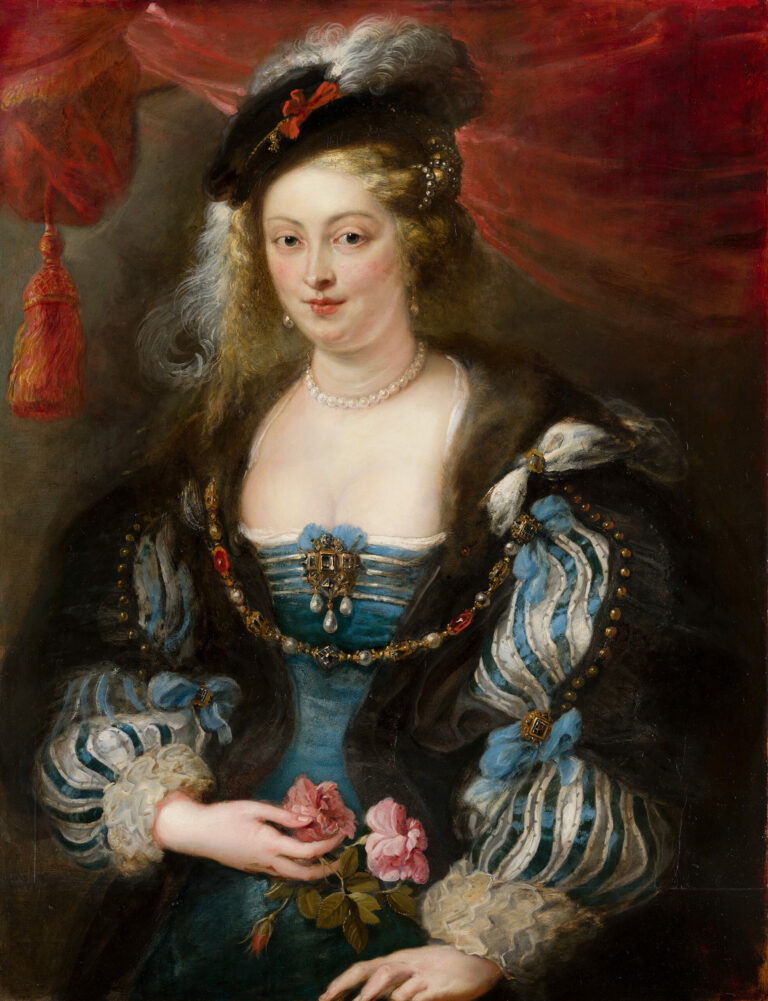
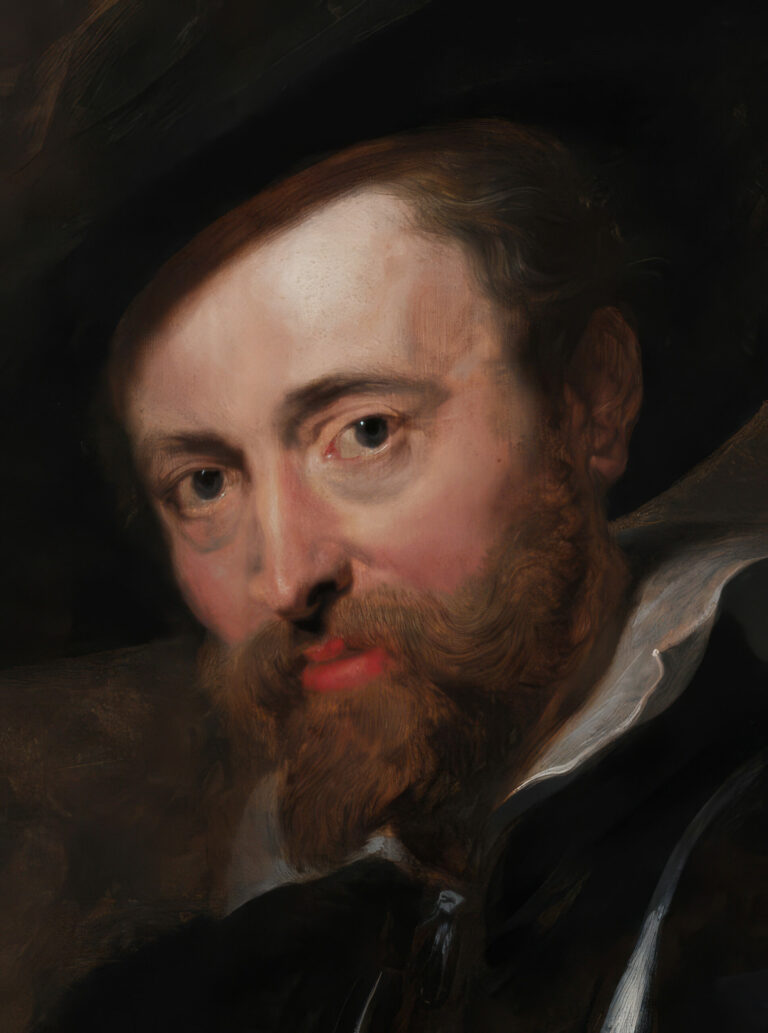
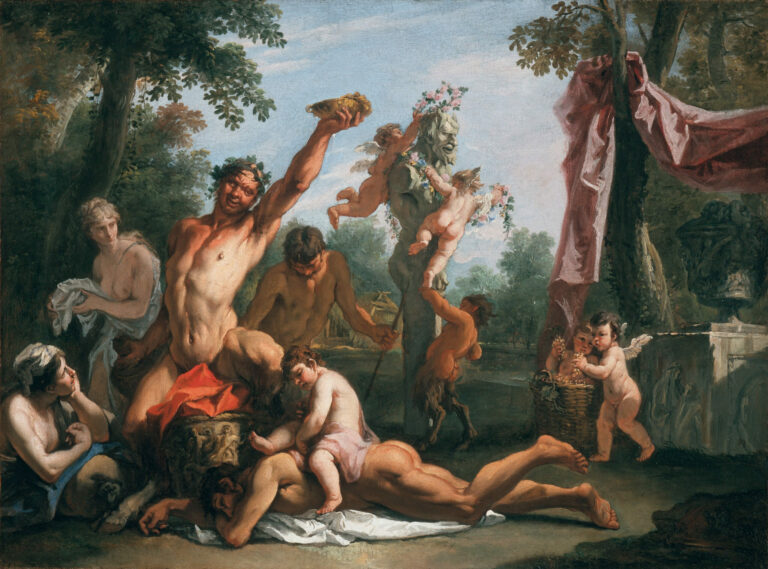
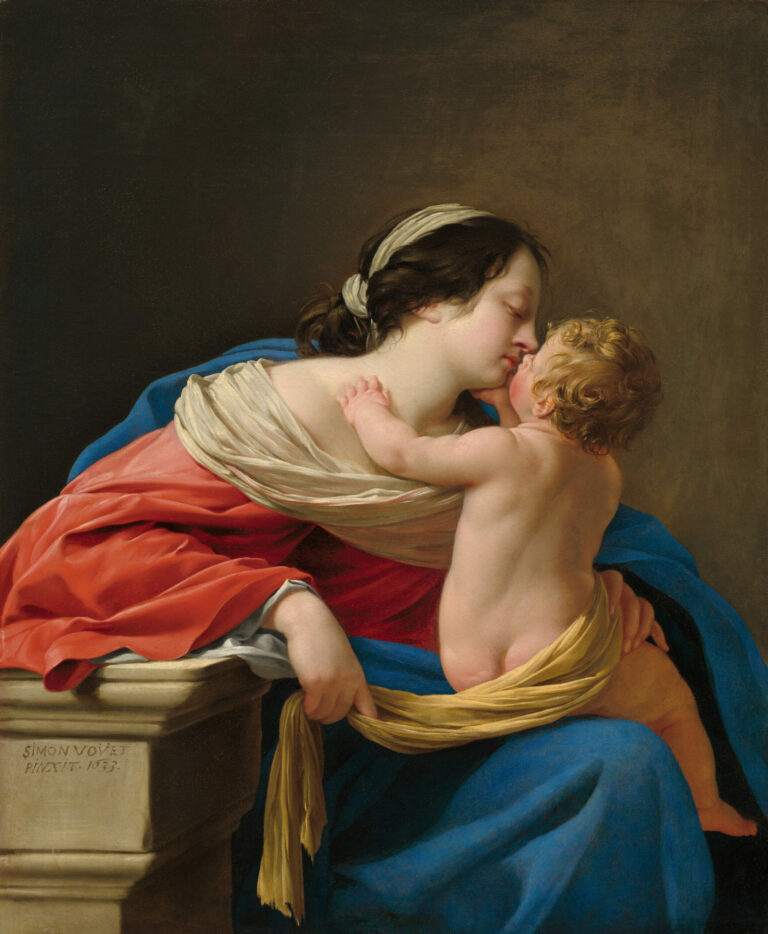
VMuseum brings together here the Baroque works from its collection, Italian, Flemish, French, and Spanish, guided by a single question: what did each painting truly say to those who commissioned it, and what does it say to us today?
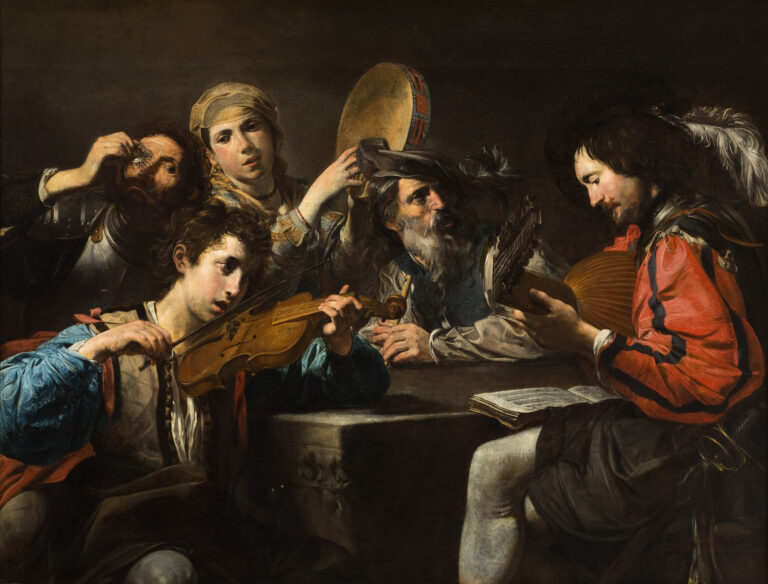
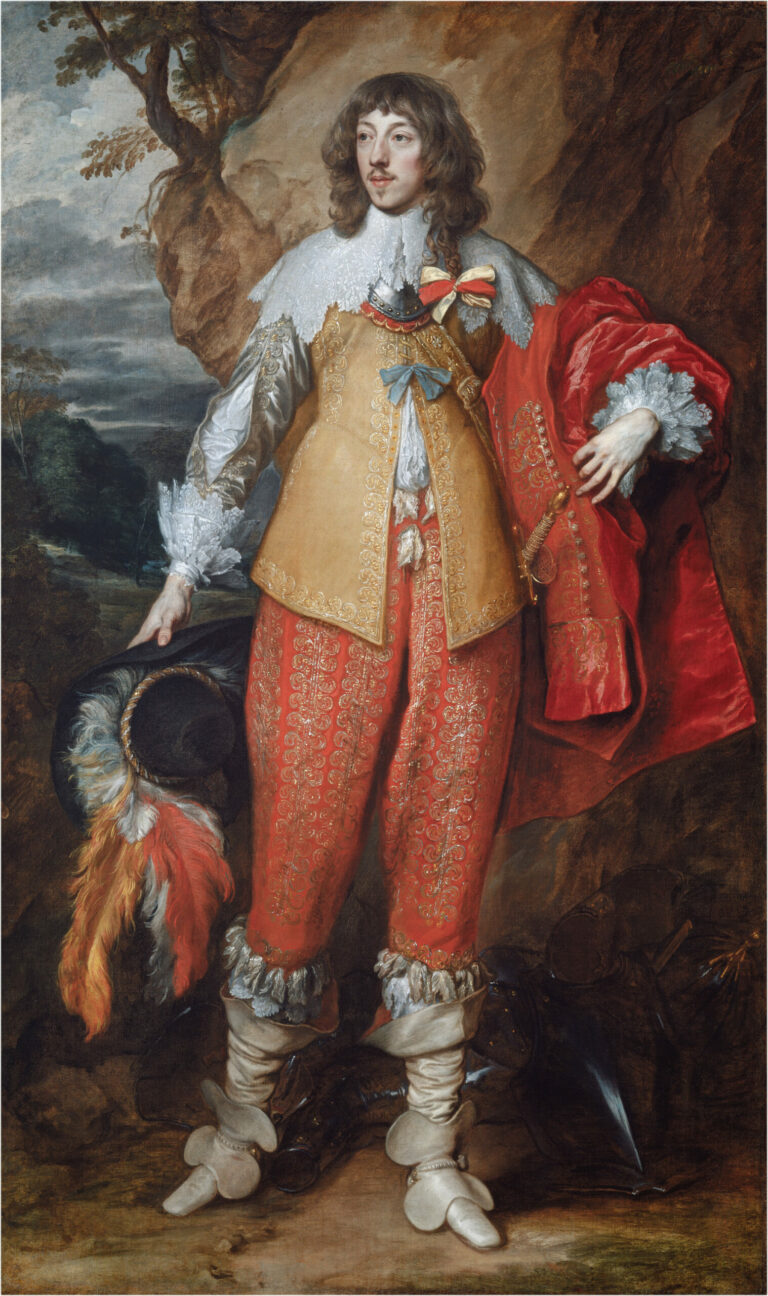
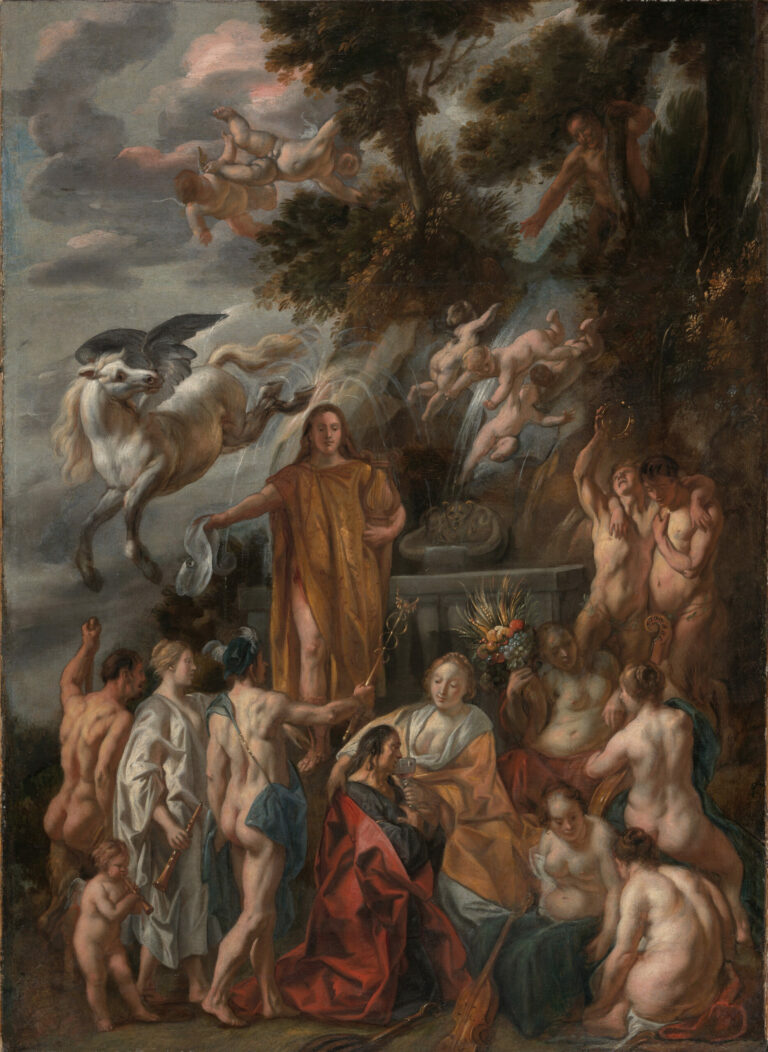
The Baroque Age through 5 Artworks