Neoclassicism
What is Neoclassicism and when did it emerge in France?
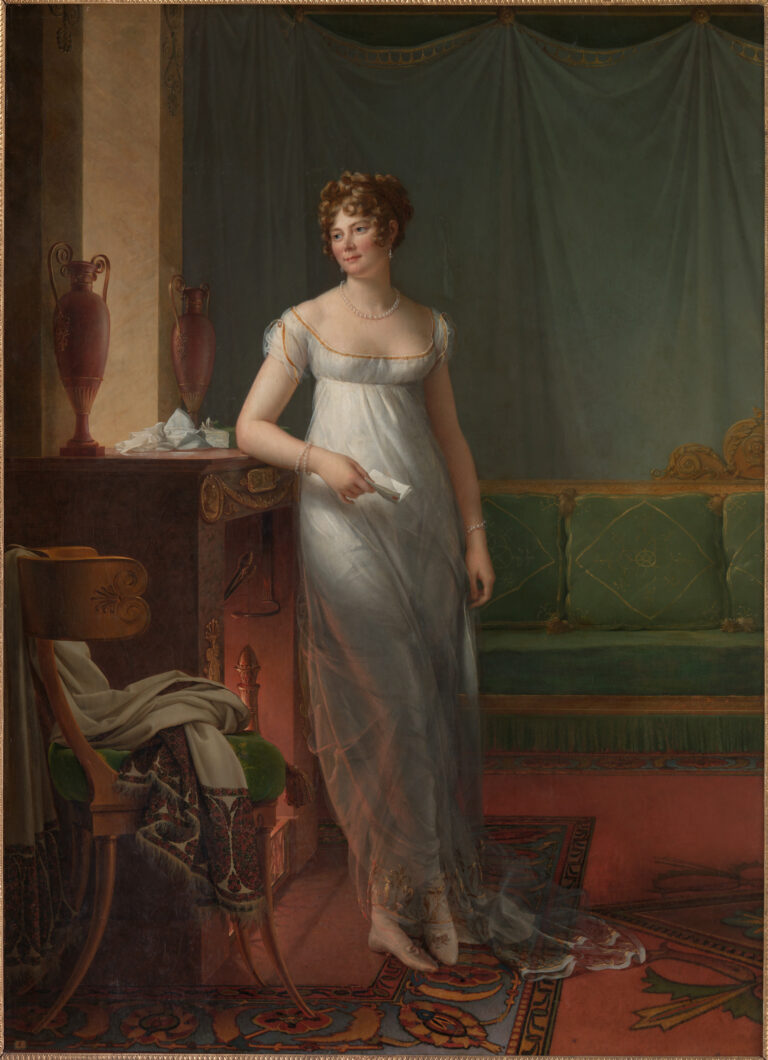
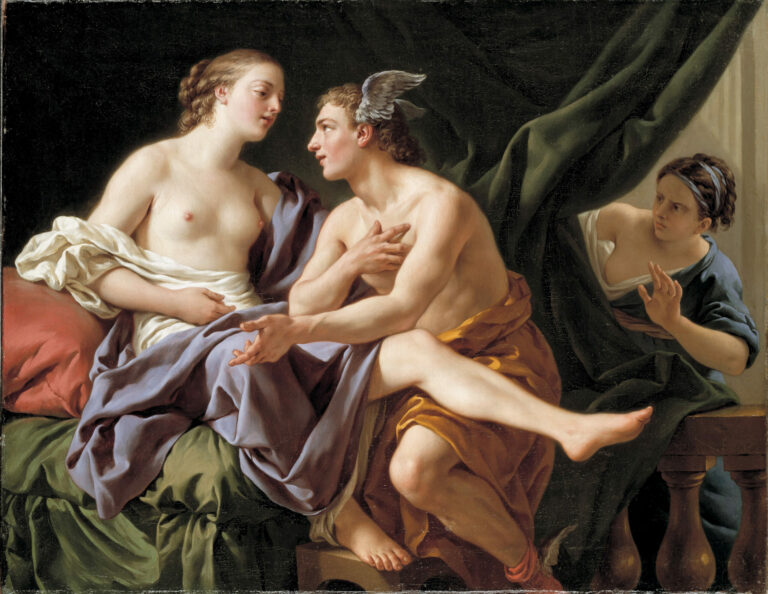
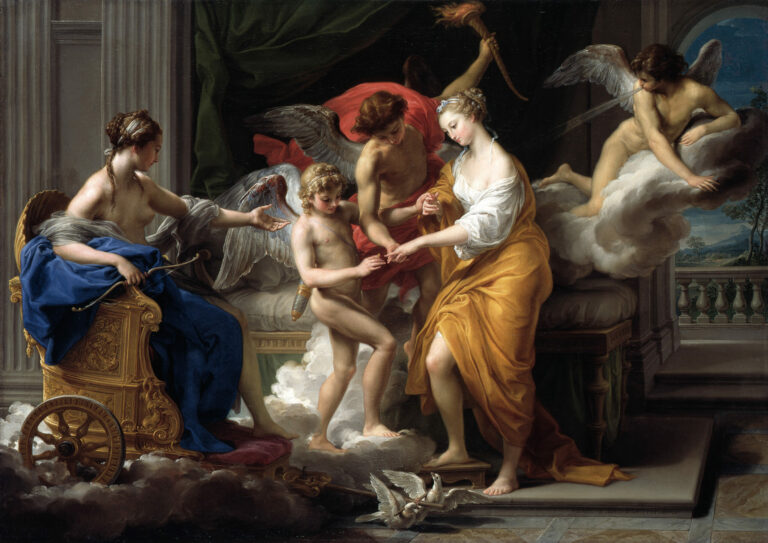
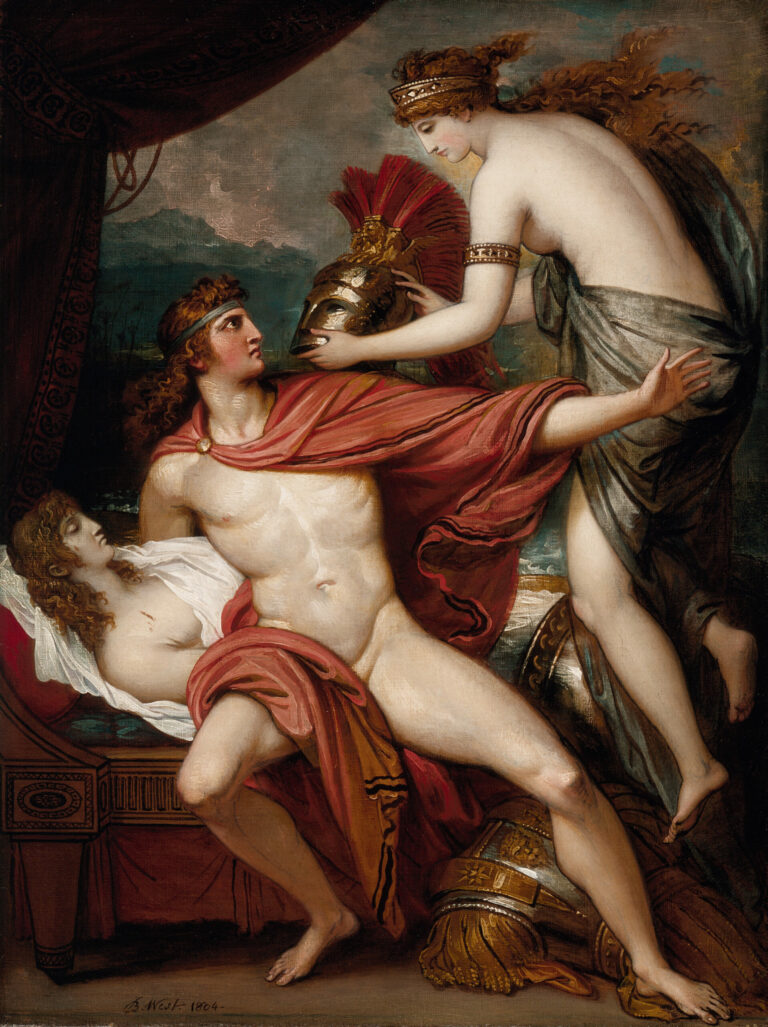
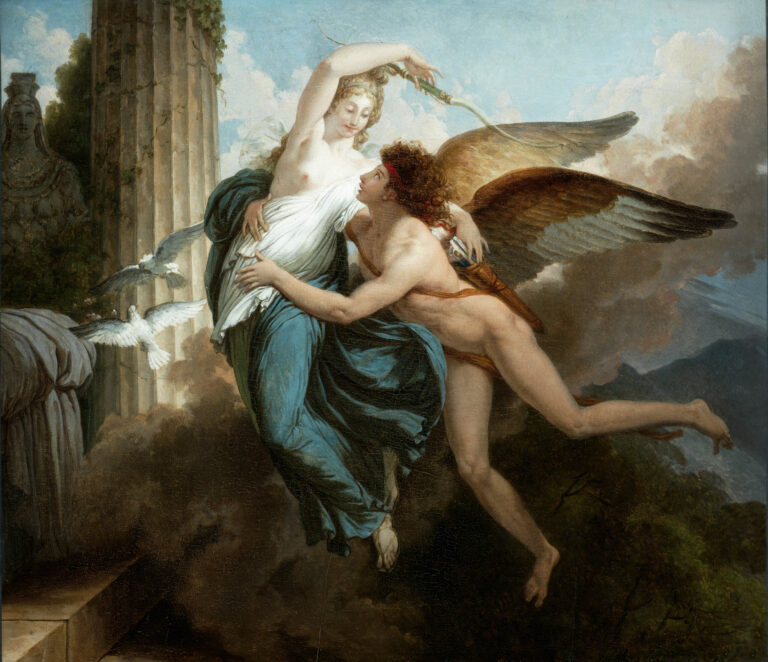
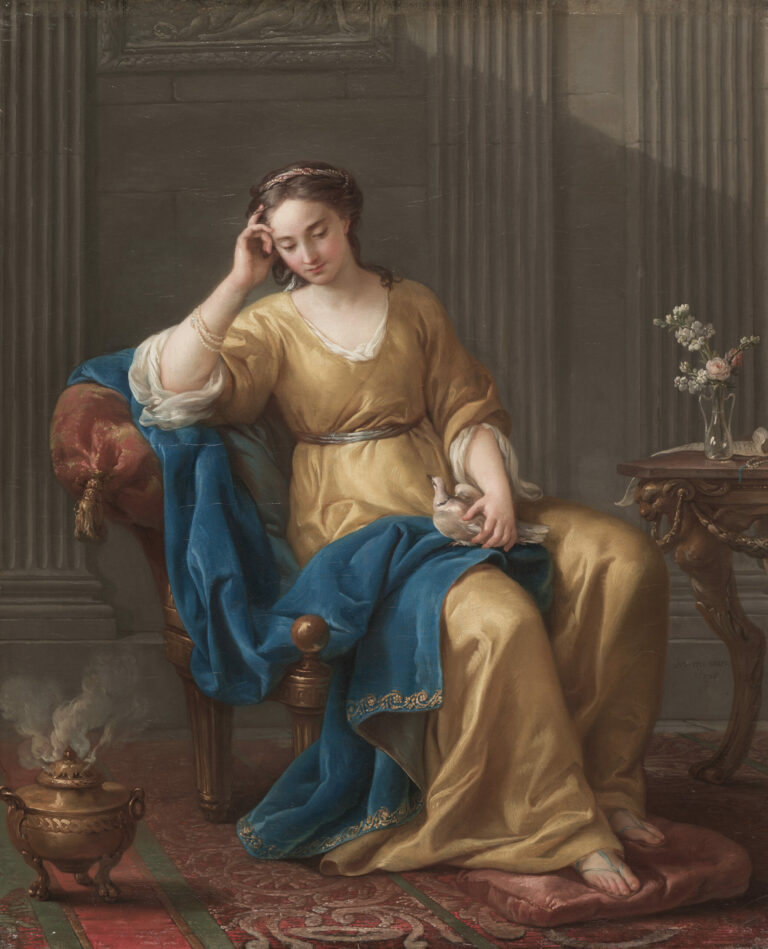
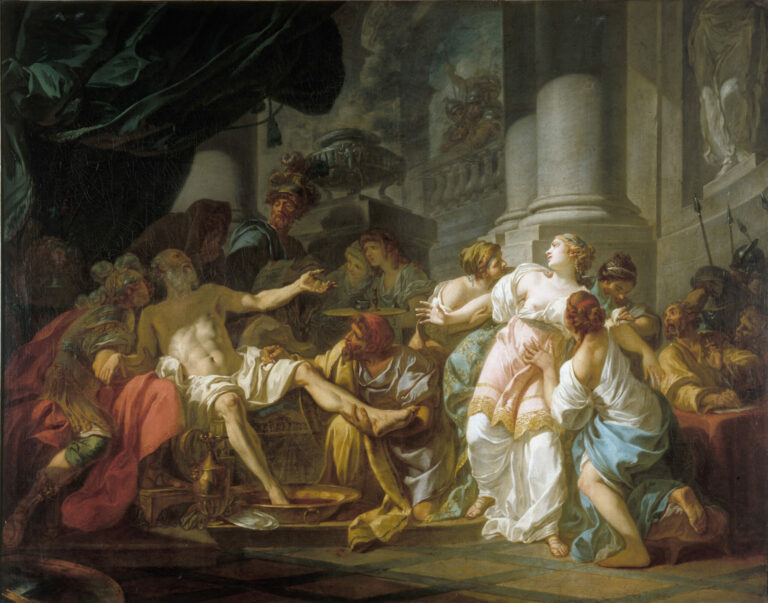
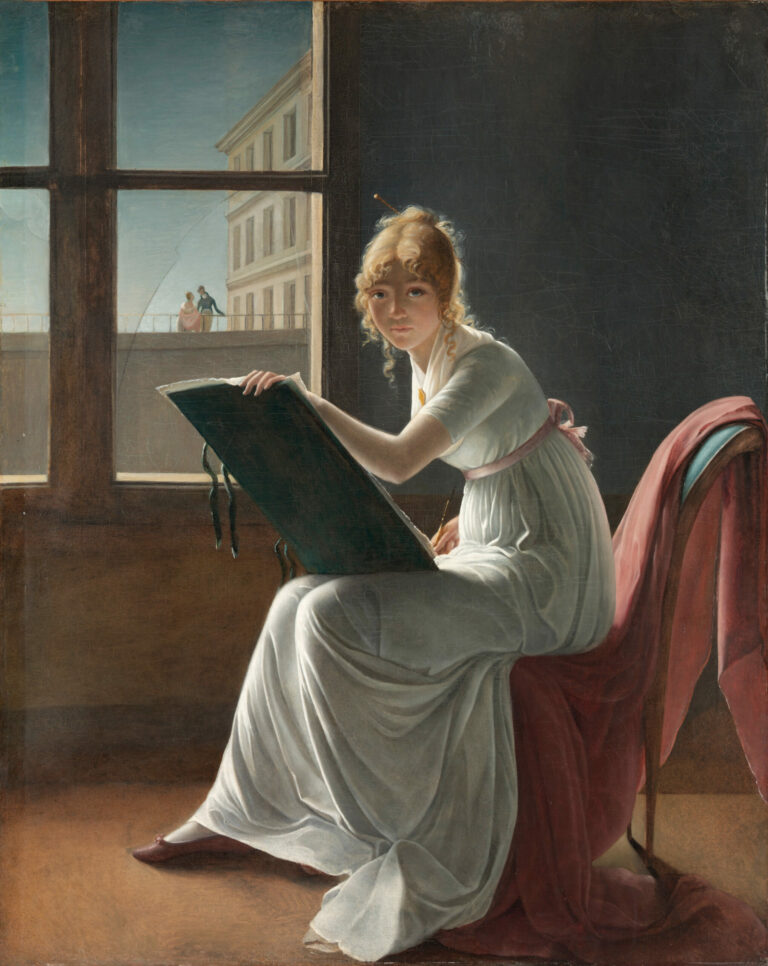
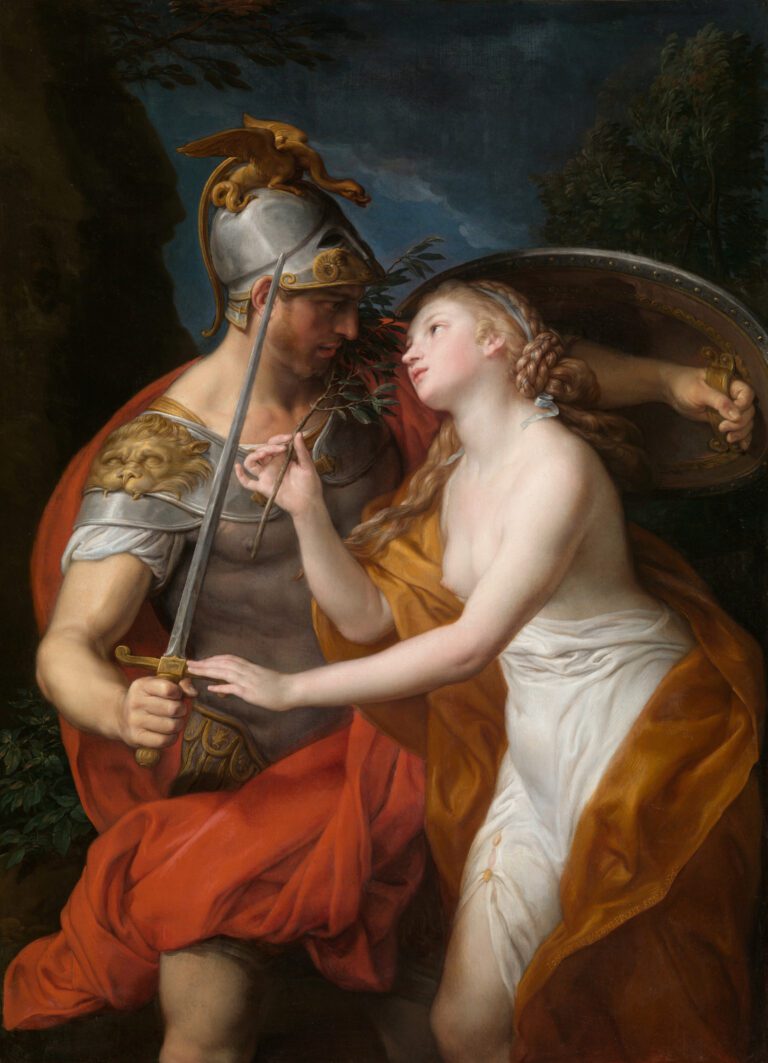
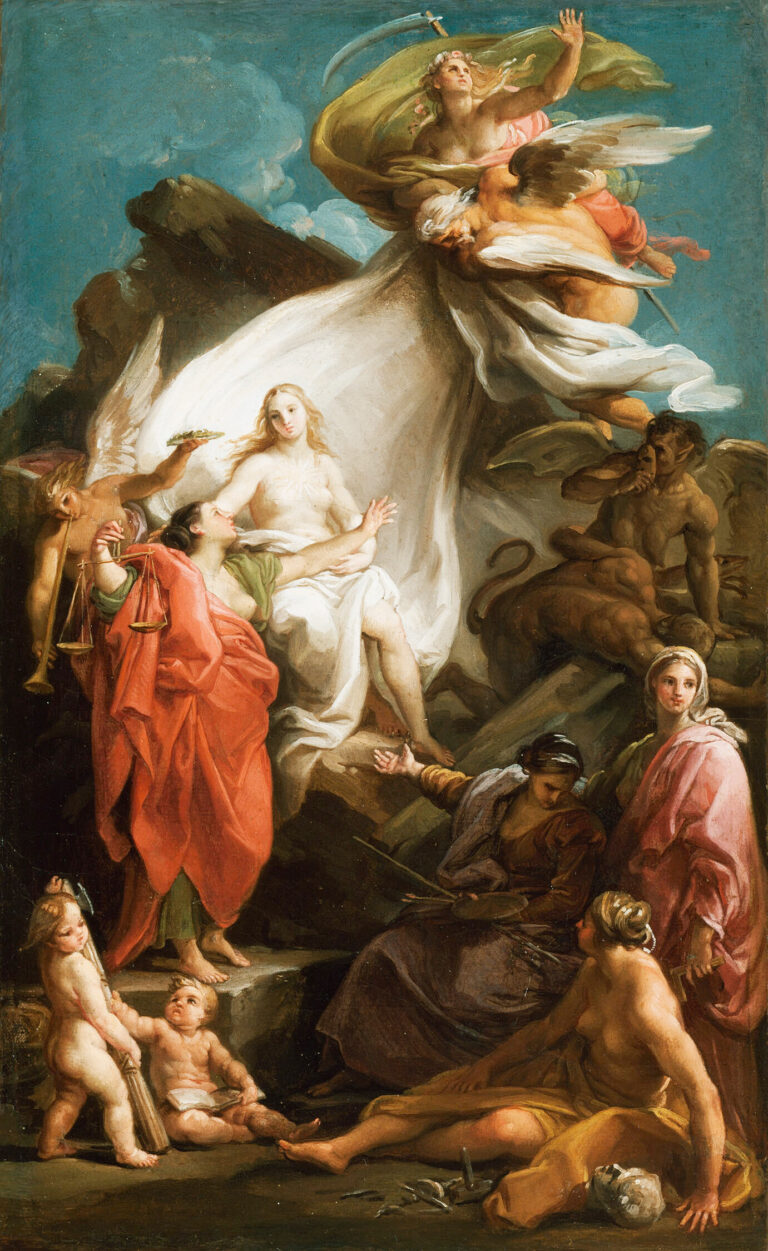
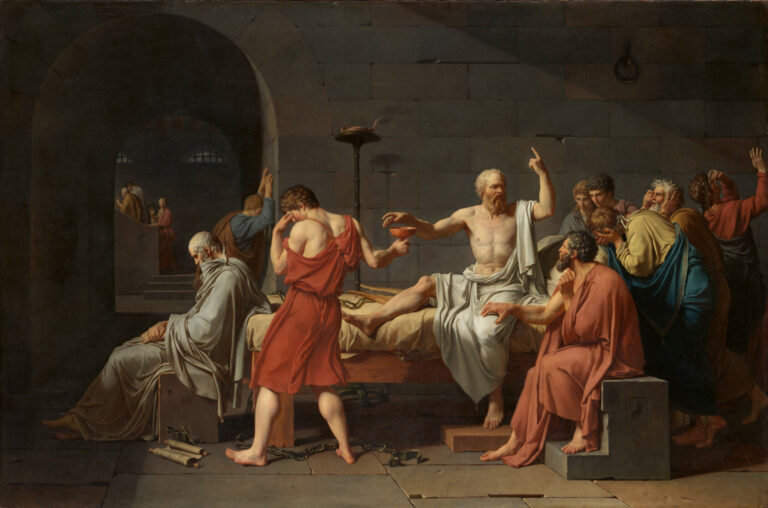
Neoclassicism emerged in France around 1760-1780, marking a break with the Rococo style. This artistic movement was born from the rediscovery of Antiquity during the archaeological excavations of Herculaneum in 1738 and Pompeii in 1748. The Neoclassical movement was rooted in Enlightenment philosophy, emphasizing reason, civic virtue, and Roman republican ideals. Neoclassical artists sought to recapture the purity and nobility of Greek and Roman art, creating works that became moral and political manifestos of their era.
What are the main characteristics of Neoclassical painting?
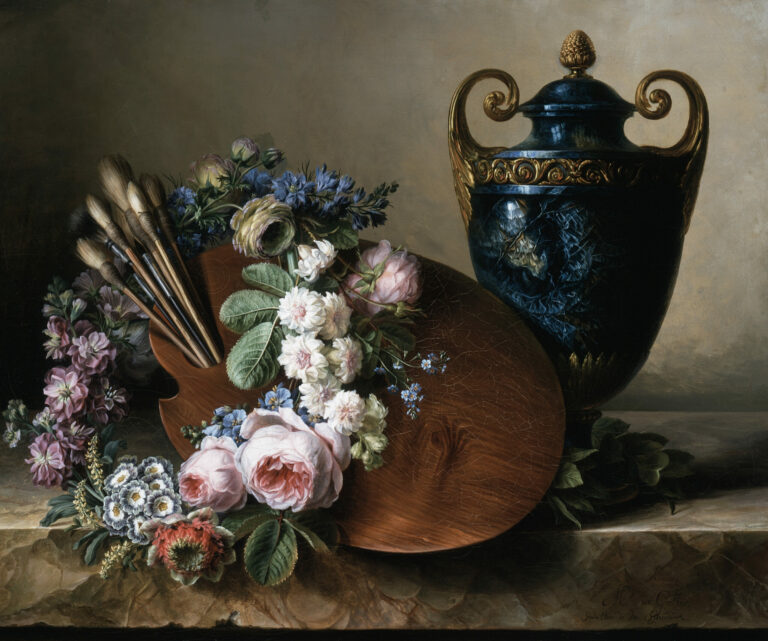
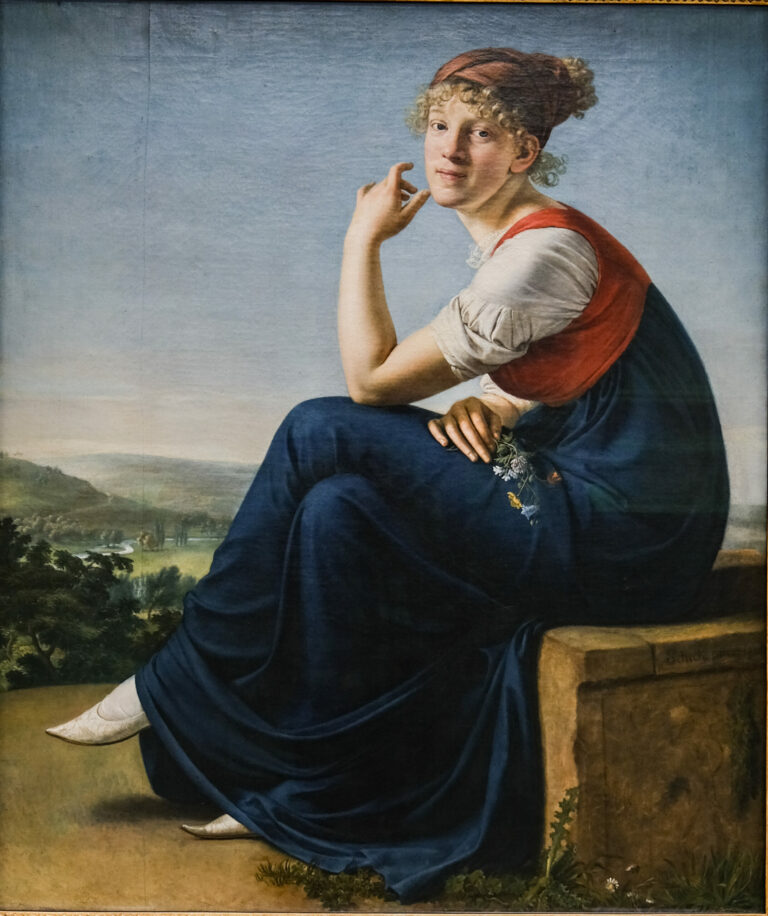
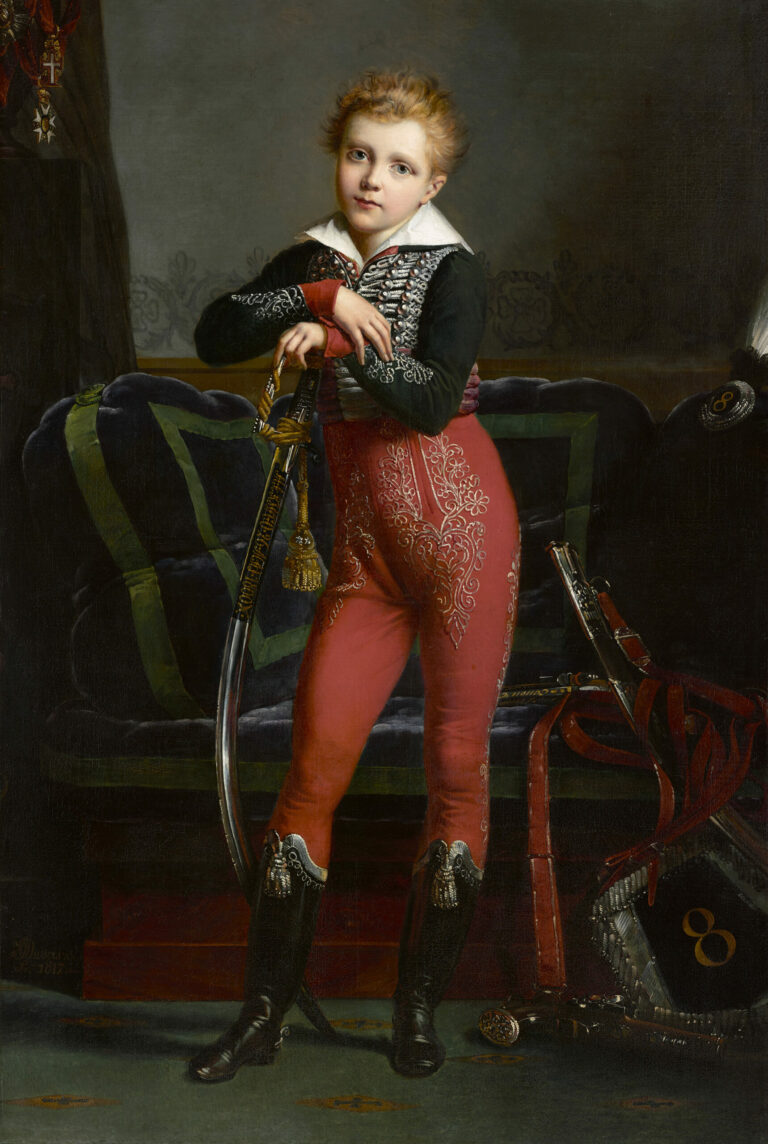
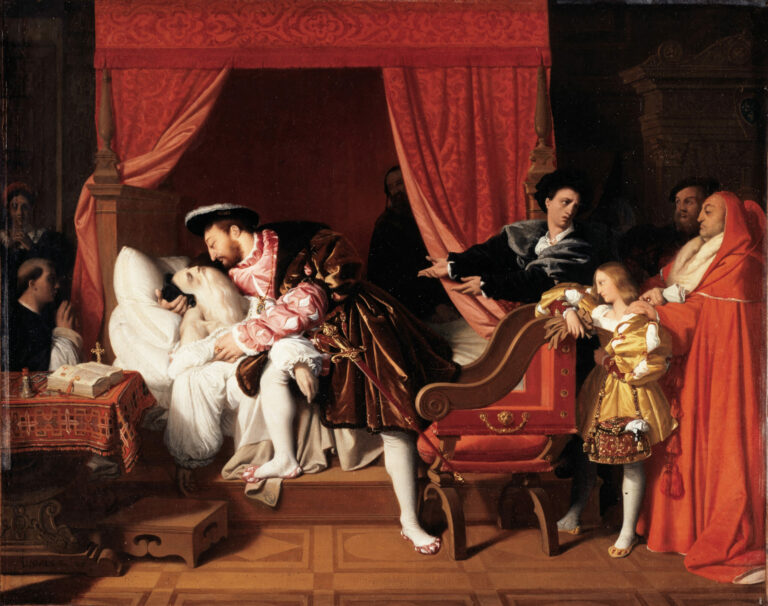
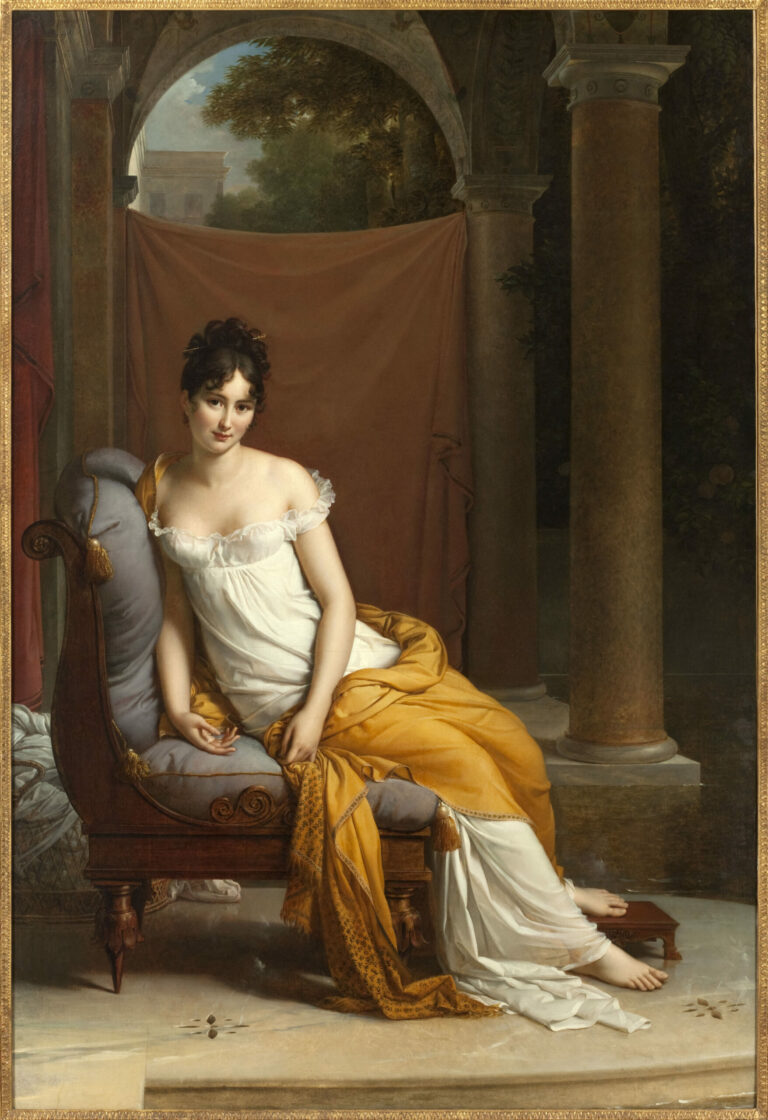
Neoclassical painting is recognizable by several distinctive stylistic elements: the supremacy of drawing over color, rigorous and balanced geometric compositions, sculptural lighting that models forms, and a sober palette with cold tones. Neoclassical subjects favor ancient history, Greco-Roman mythology, and scenes of moral heroism. The Neoclassical style rejects Baroque ornamentation in favor of refined lines, idealized bodies with harmonious proportions, and poses inspired by ancient statuary. This Neoclassical aesthetic aims to instruct and morally elevate the viewer.
Jacques-Louis David: why is he considered the master of French Neoclassicism?
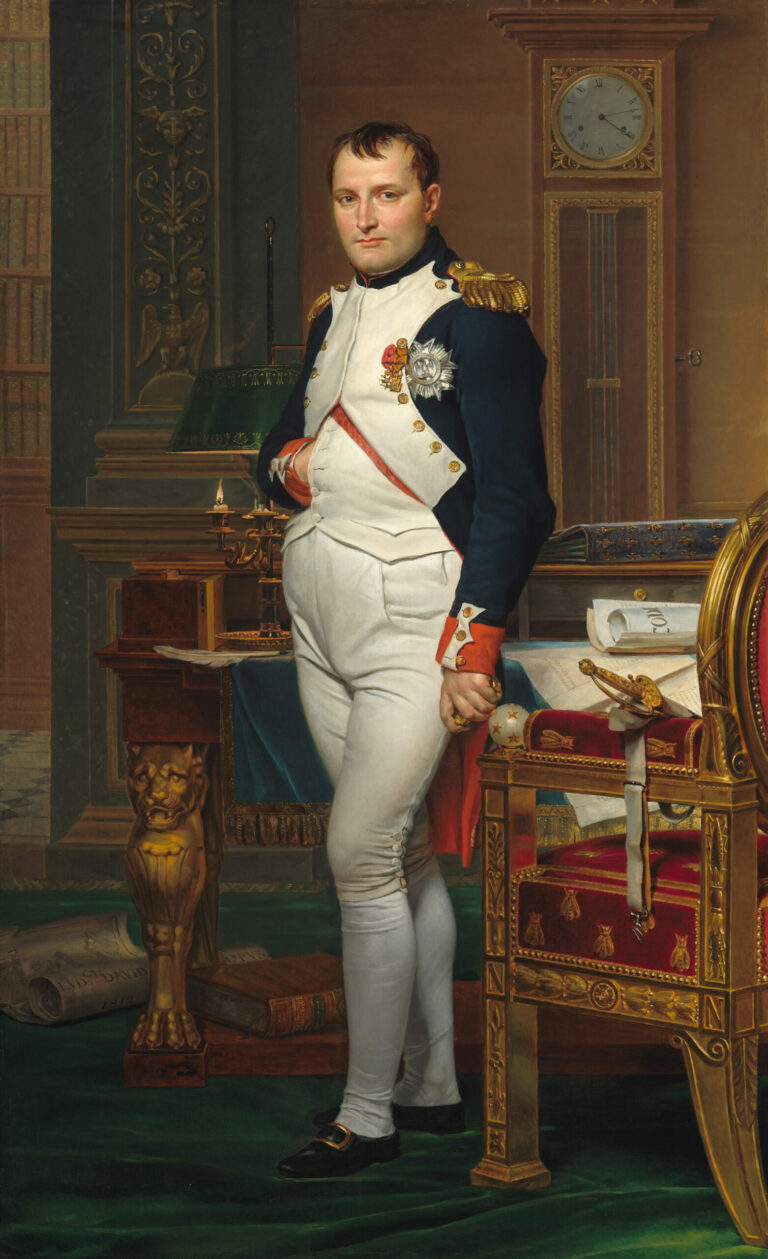
Jacques-Louis David (1748-1825) defined and established Neoclassicism in France. His painting Oath of the Horatii (1784) became the manifesto of the Neoclassical movement with its rigorous triangular composition and message of patriotic sacrifice. Painter of the French Revolution, David created iconic works such as The Death of Marat (1793), then became Napoleon Bonaparte’s first painter, creating The Coronation of Napoleon (1807). David’s studio trained the generation of French Neoclassical artists, including Ingres, Girodet, and Gros. His influence transformed the Royal Academy of Painting and defined the artistic standards of his time.
Jean-Auguste-Dominique Ingres: how did he extend the Neoclassical movement into the 19th century?
Jean-Auguste-Dominique Ingres (1780-1867), David’s student, became the defender of academic Neoclassicism in the 19th century. His famous formula “drawing is the probity of art” summarizes his artistic philosophy. Ingres’s works such as La Grande Odalisque (1814), The Turkish Bath (1862), and the portrait of Monsieur Bertin (1832) embody Neoclassical perfection in drawing. Against Delacroix’s Romanticism, Ingres led the aesthetic battle for line against color. Director of the Villa Medici in Rome, he influenced French academic teaching until the end of the century and inspired future generations of academic artists.
Why did Neoclassicism disappear around 1830 and what is its legacy?
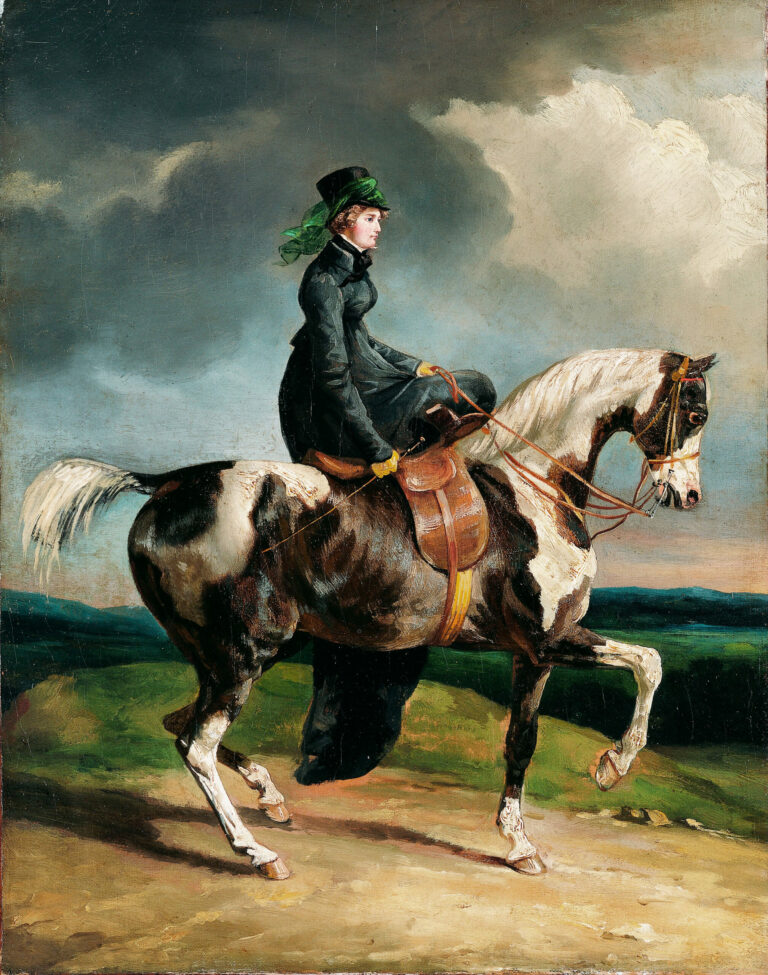
The decline of Neoclassicism began around 1820-1830 with the emergence of French Romanticism. The Romantic movement, embodied by Théodore Géricault (The Raft of the Medusa, 1819) and Eugène Delacroix, criticized Neoclassical coldness and favored emotion, color, and movement. Post-Napoleonic political transformations and the advent of industrial society made Neoclassical ideals less relevant. However, the legacy of Neoclassicism persisted in the teaching of the École des Beaux-Arts in Paris, official history painting of the Second Empire, and influenced 19th-century French architecture. The movement also established technical drawing standards that endured in academic artistic training until the 20th century.