Monet
Claude Monet: The Work of a Master of Light
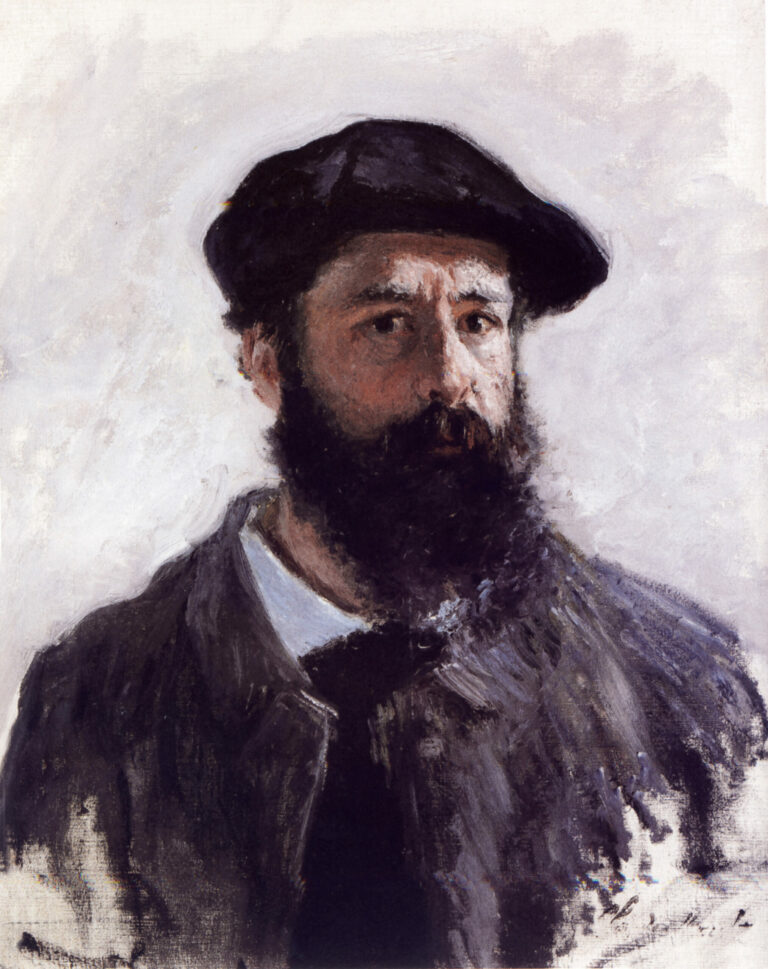
The undisputed leader of Impressionism, Claude Monet (1840–1926) devoted his oeuvre to a single, relentless pursuit: to capture the fleeting effects of light, atmosphere and season. Setting aside precise draughtsmanship in favour of colour and touch, he made each canvas the record of a passing moment. This page brings together detailed analyses of his paintings; to follow the story of his life, see Claude Monet’s complete biography.
Monet’s Style: Painting Light
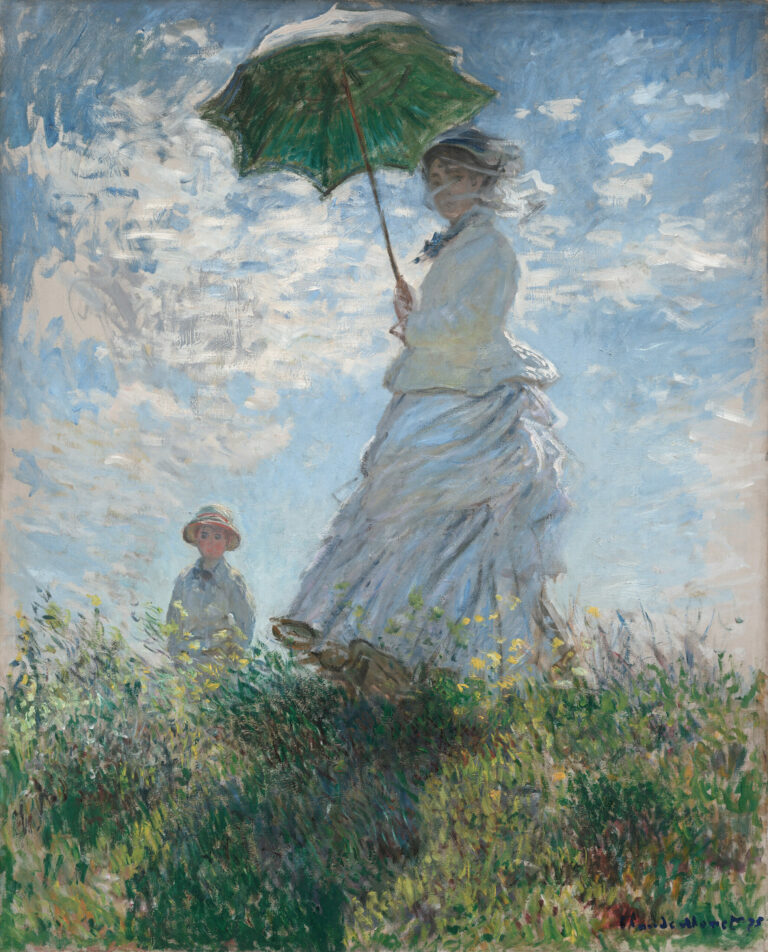
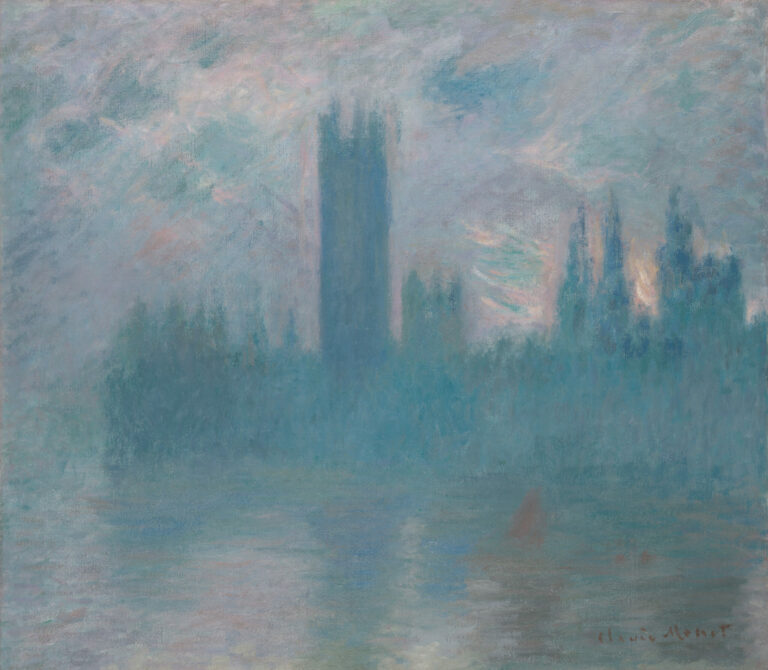
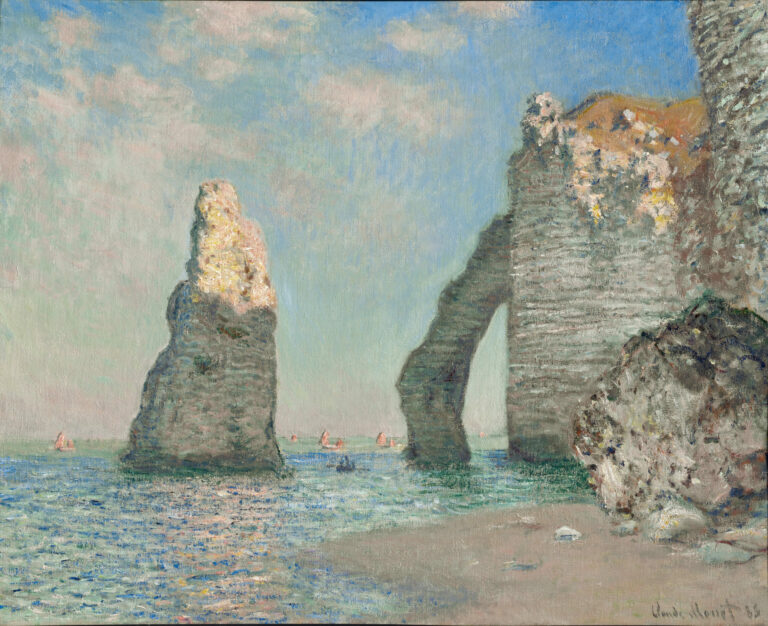
Monet’s signature lies in his handling of paint. Broken, rapid, laying pure colours side by side rather than blending them, his brushwork leaves it to the viewer’s eye to reassemble the scene. Working most often en plein air, before the motif itself, he sought less to depict an object than to render the effect of light at a given instant, a morning mist, a reflection on water, a shifting sky. This devotion to the fleeting moment is why his canvases seem to vibrate: what he paints is not a fixed landscape, but the air and light passing through it.
The Method of Series
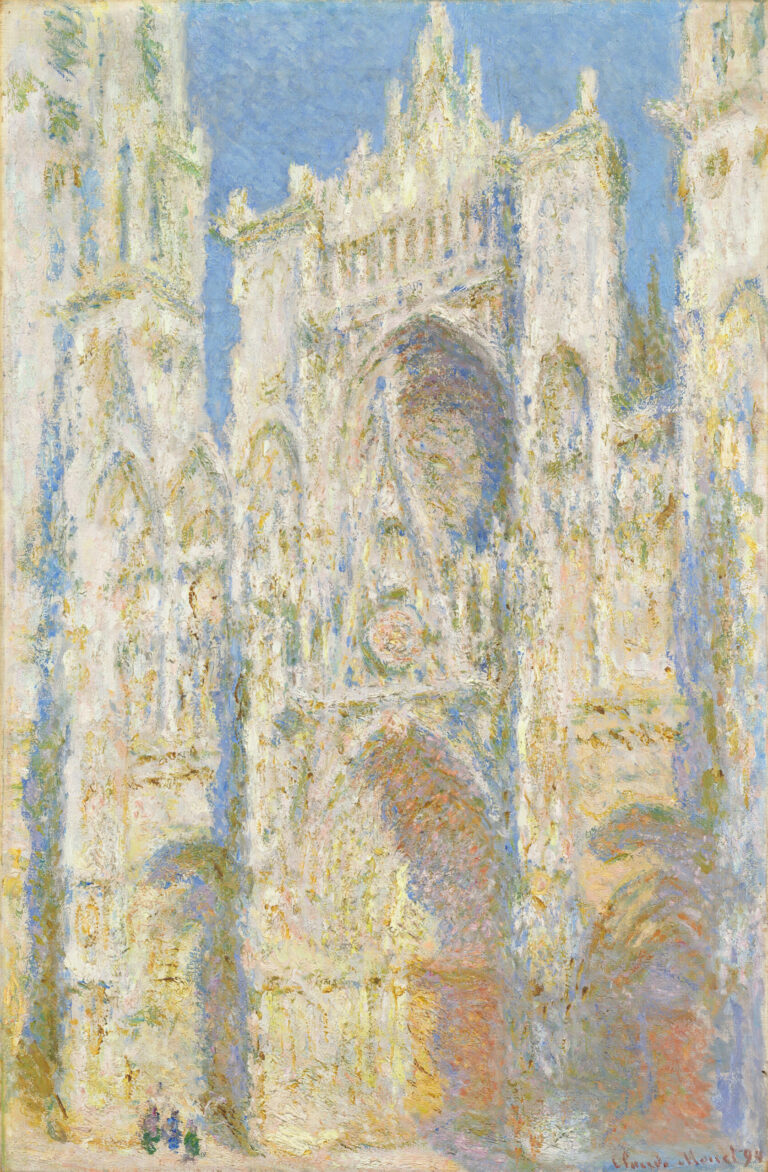
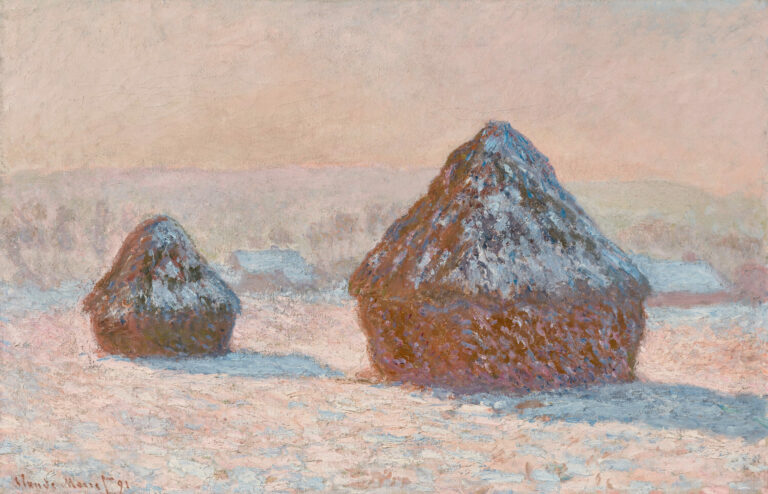
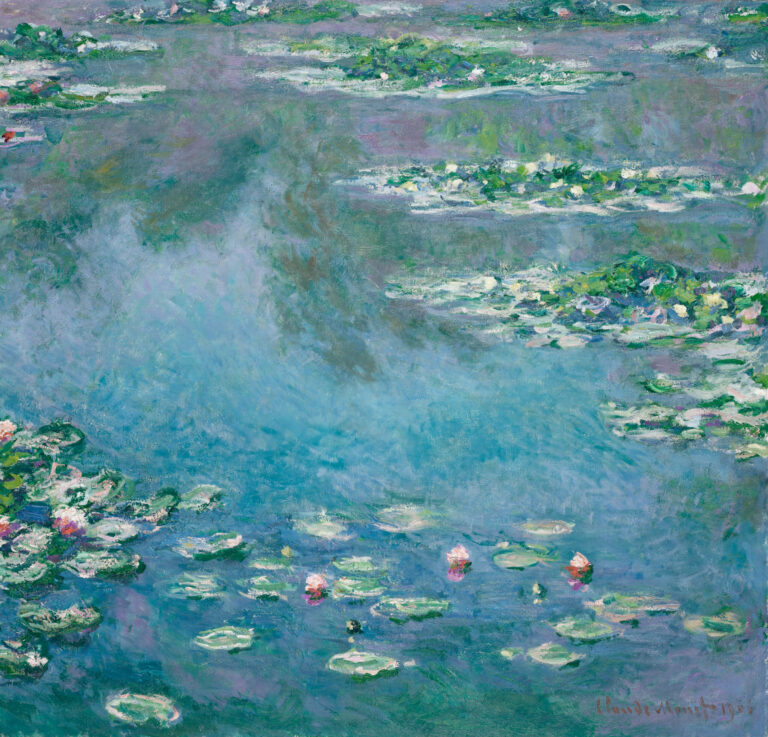
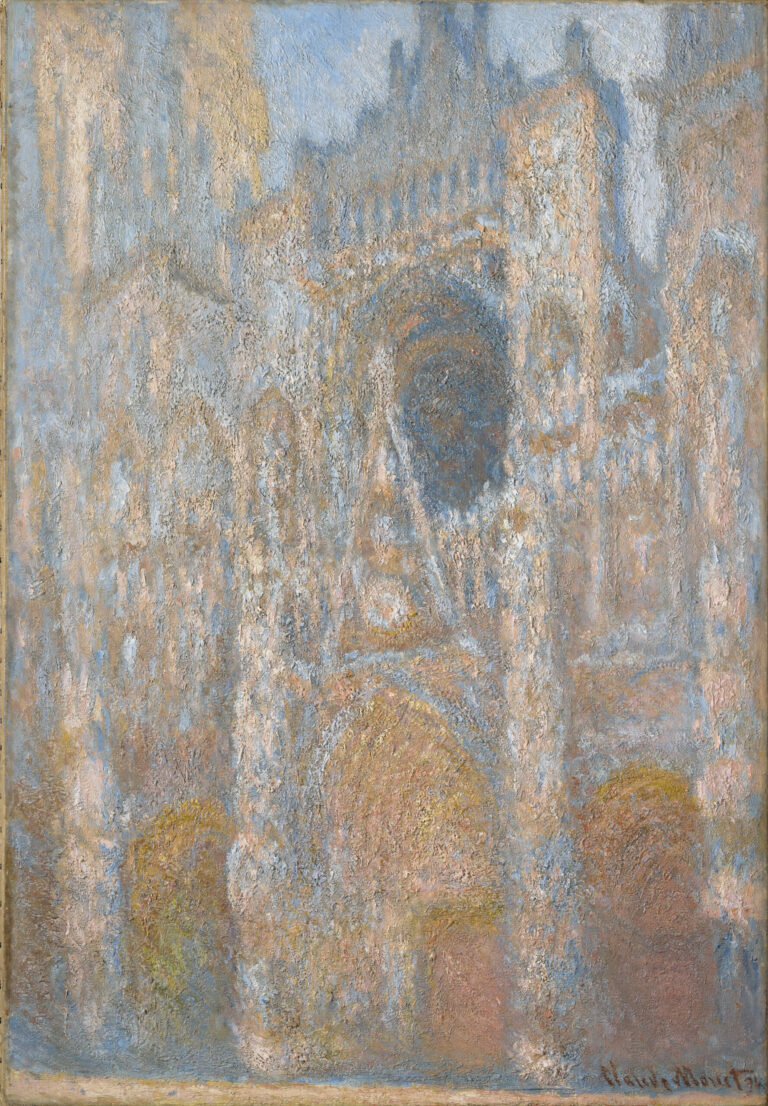
One of Monet’s great innovations was painting in series: returning to a single motif at different hours, seasons or atmospheric conditions to explore its every variation. This approach gave rise to his most celebrated ensembles: the Water Lilies, Rouen Cathedral and the Wheatstacks. Within each series the subject becomes almost a pretext: what Monet truly paints is the passage of time and the transformation of light upon a single form.
The Great Themes of His Work
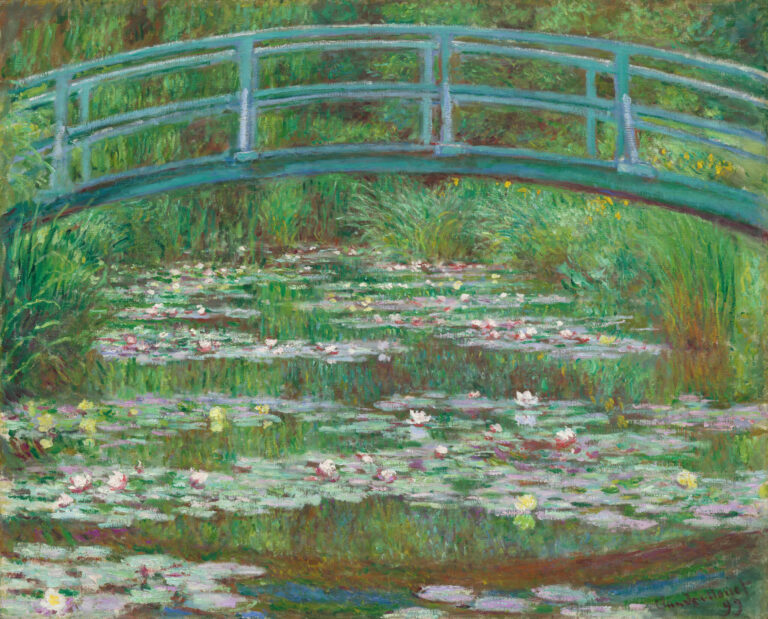
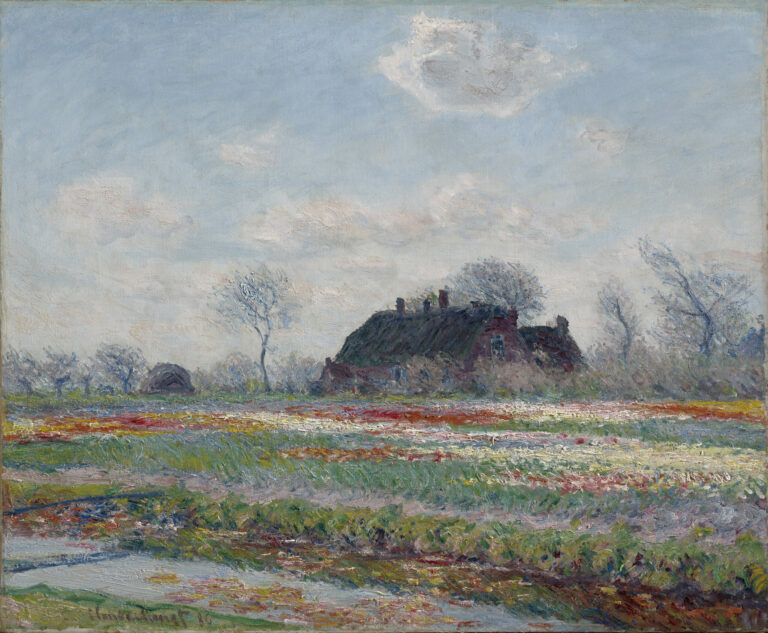
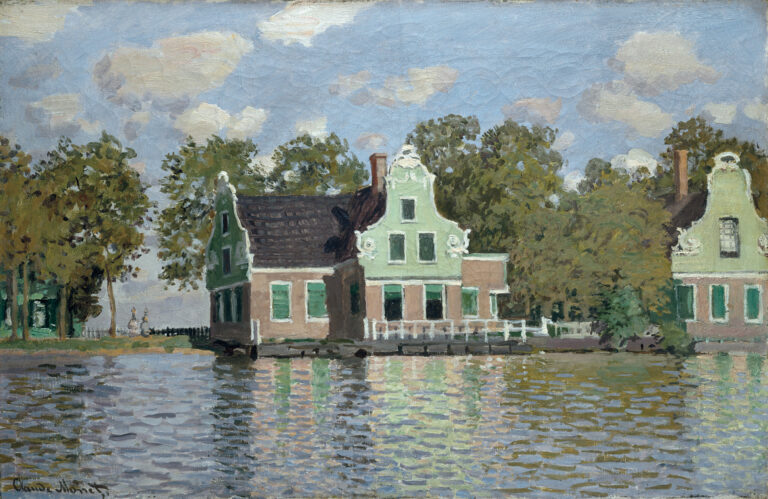
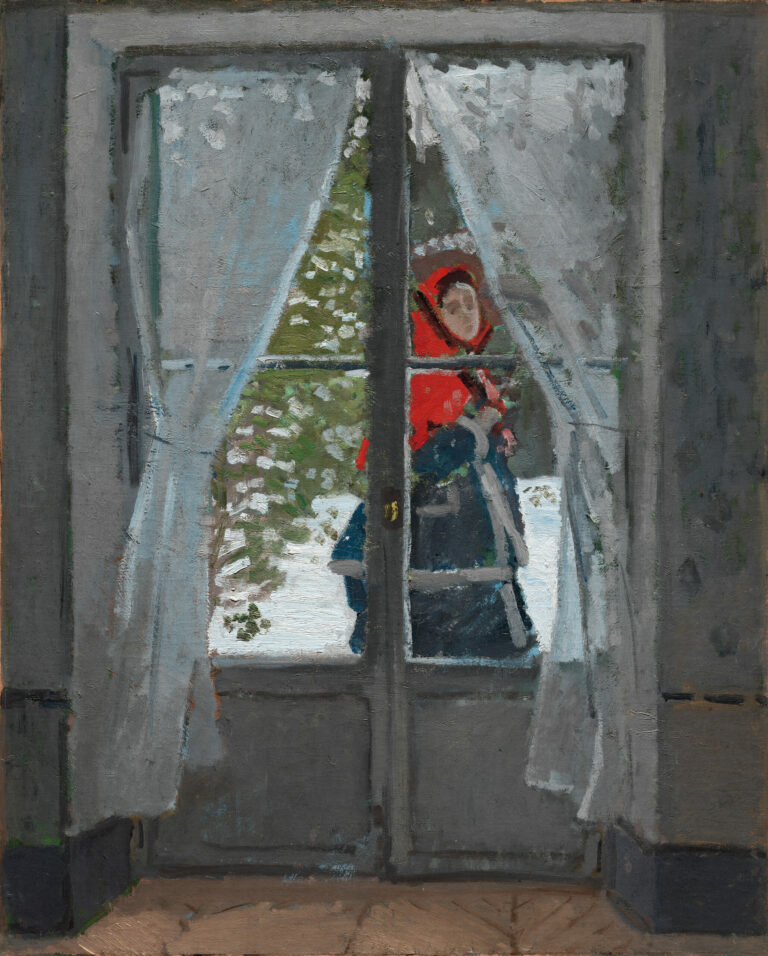
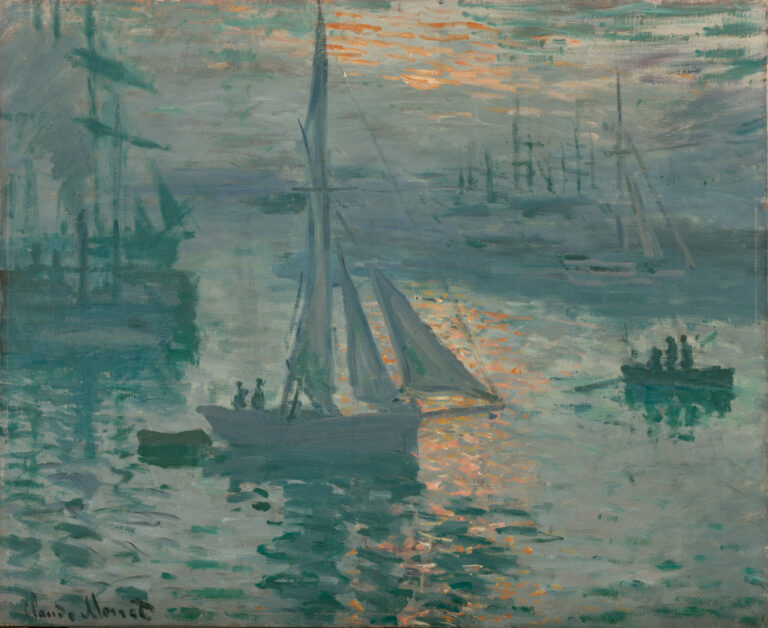
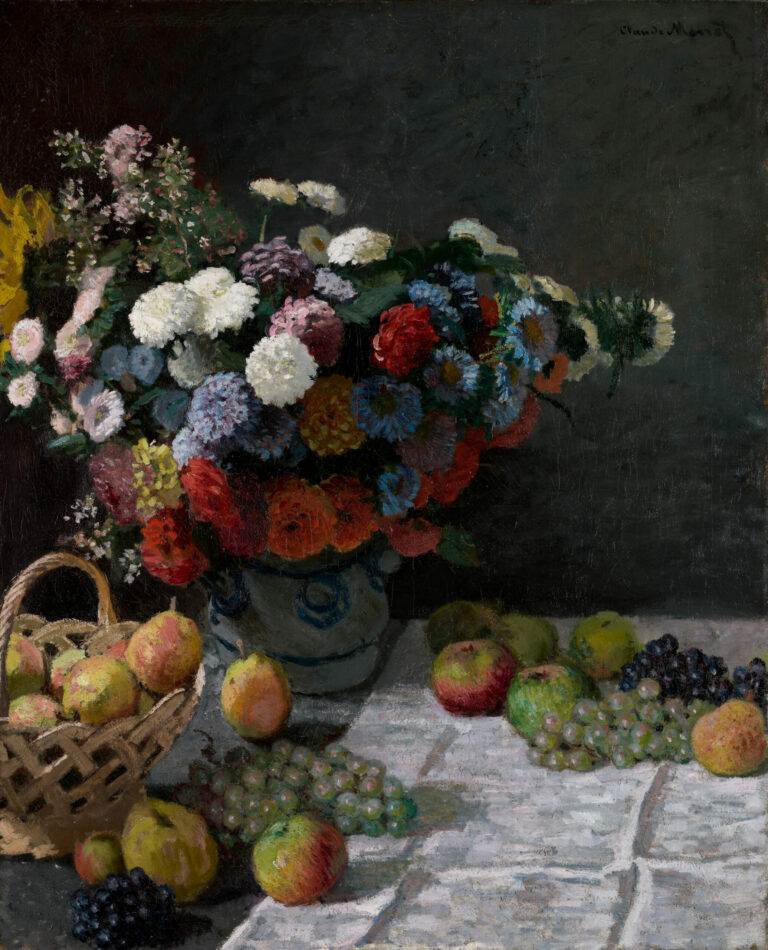
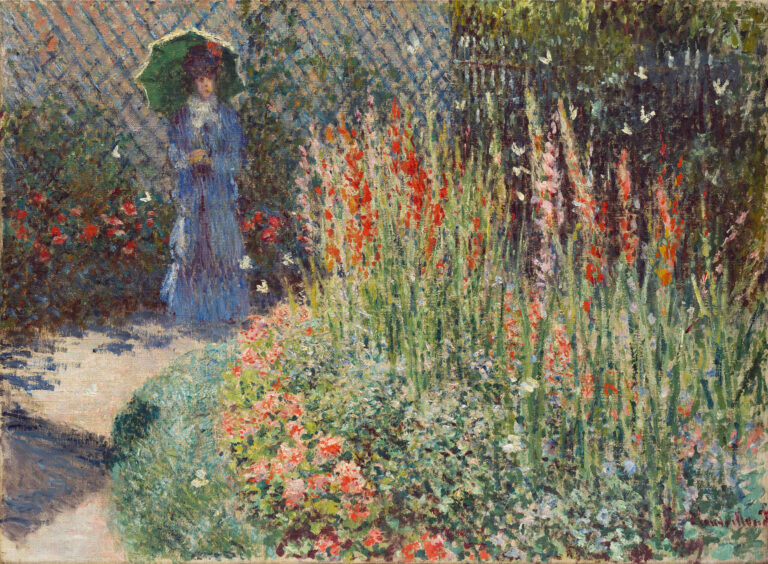
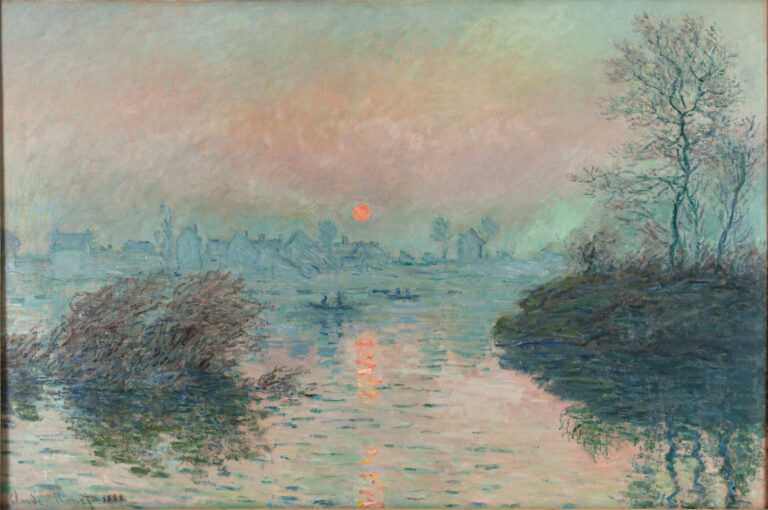
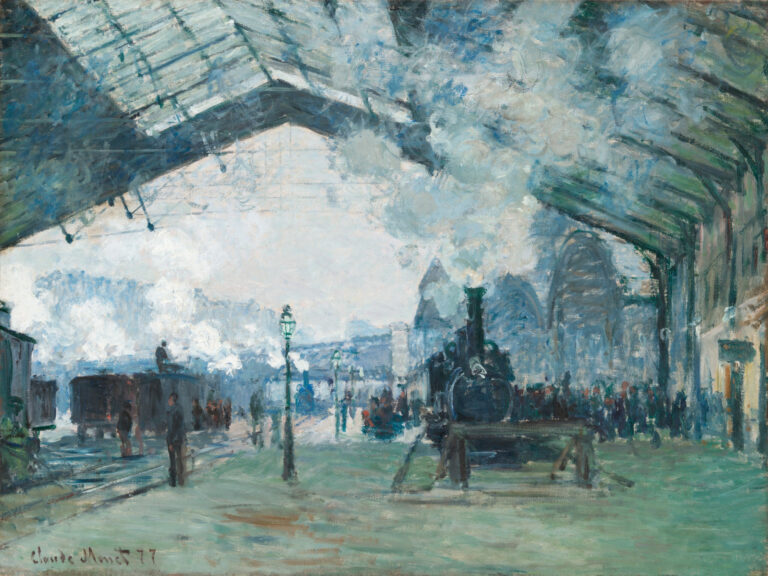
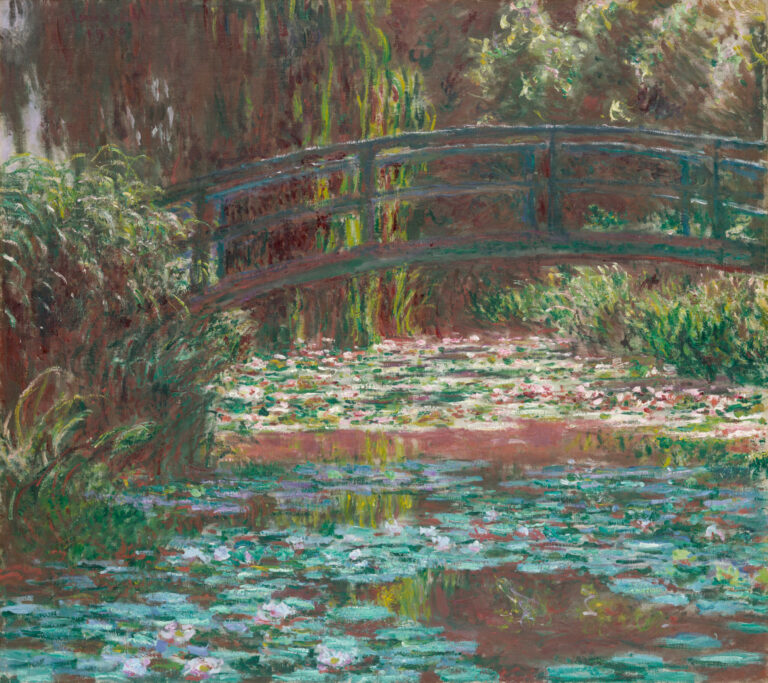
Certain motifs run through Monet’s entire career. Water, first of all, the Seine, the sea, and above all the pond in his own garden, of which the Japanese footbridge and the water lily pond became subjects in their own right. Gardens and flowers, which he cultivated as devotedly as he painted them. And modern life as well, in scenes such as the Gare Saint-Lazare, where the steam of the locomotives offered fresh ground for his study of atmosphere. Finally, the atmospheric effects, mist, snow, setting sun, that remained the guiding thread of his work.
Monet and Impressionism
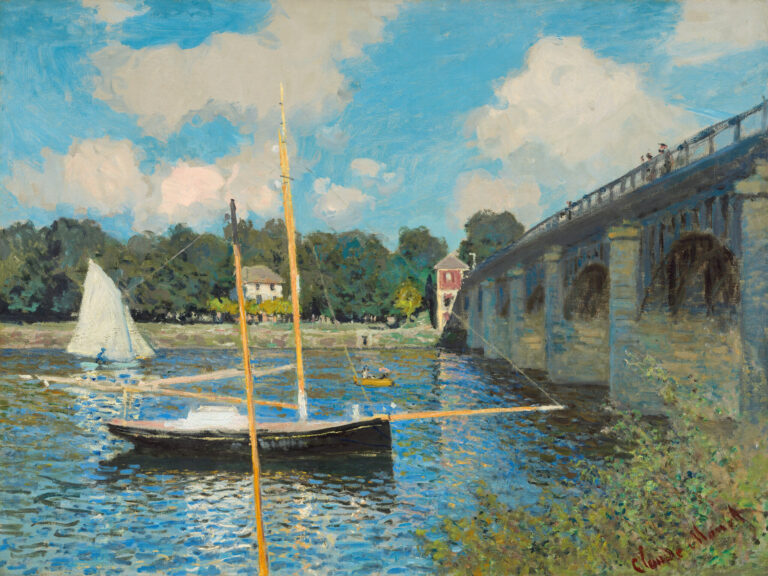
It was a canvas by Monet, Impression, Sunrise, that gave the Impressionist movement its name in 1874. He embodies its spirit more fully than any other painter: the primacy of visual sensation, the practice of working before the motif, the abandonment of historical subjects in favour of ordinary life and nature. From early scenes such as The Bridge at Argenteuil to the vast compositions of his final years, his oeuvre traces the very evolution of Impressionism.
Explore below the full collection of Claude Monet’s paintings analysed on VMuseum, from the most recent to the earliest.