Post-impressionism
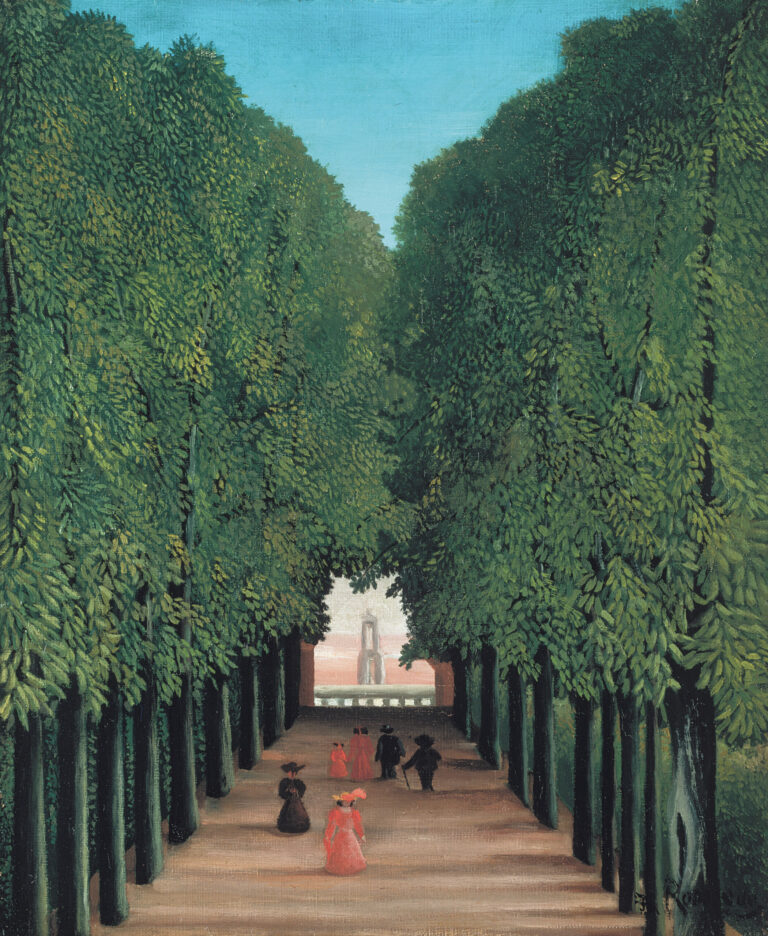
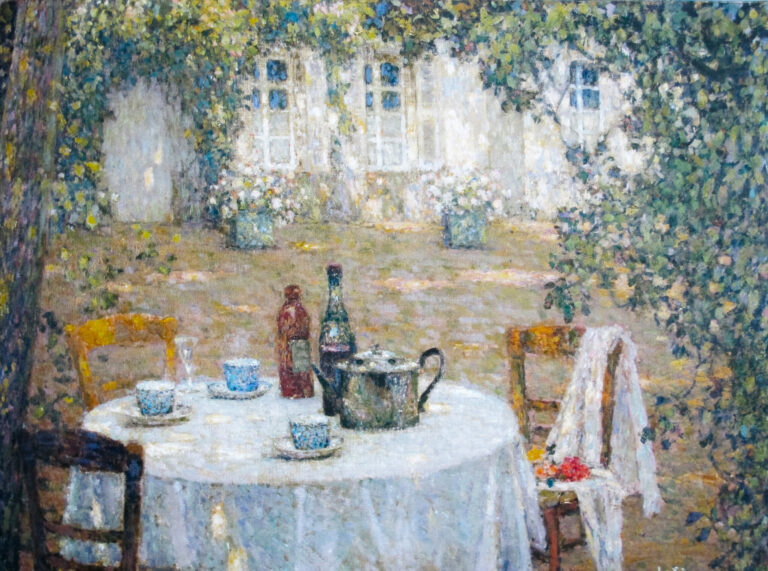
Post-Impressionism is not a unified movement with a common manifesto, but rather a generic term that encompasses artists with very diverse approaches, all of whom moved beyond Impressionism between approximately 1886 and 1905. Some art historians also include the Symbolists and the Nabis in this broader category of Post-Impressionism.
What is Post-Impressionism and when did this artistic movement emerge?
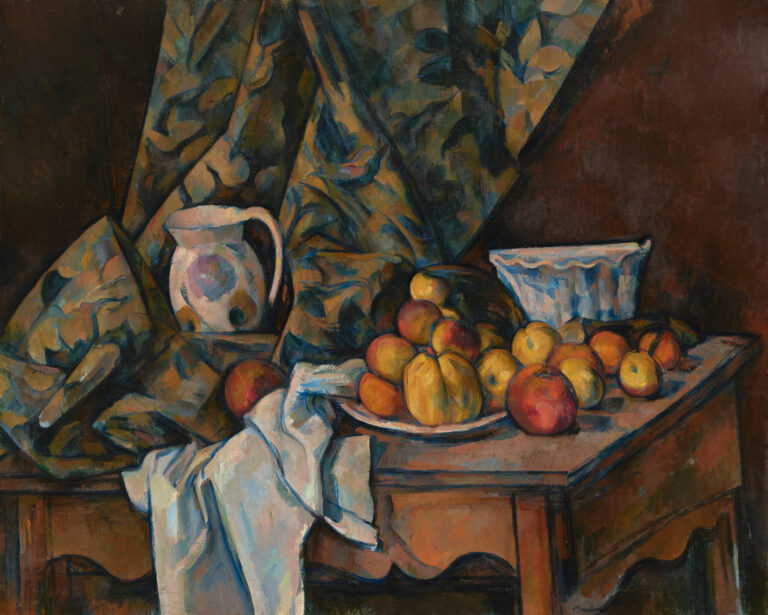
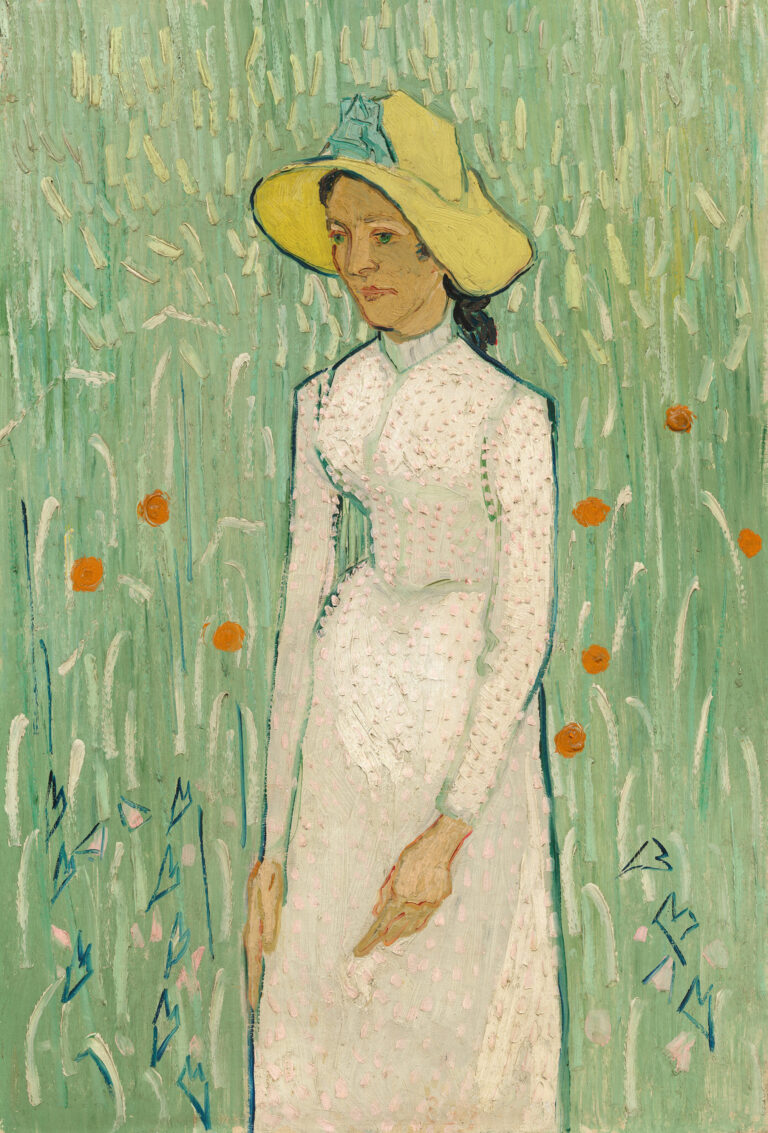
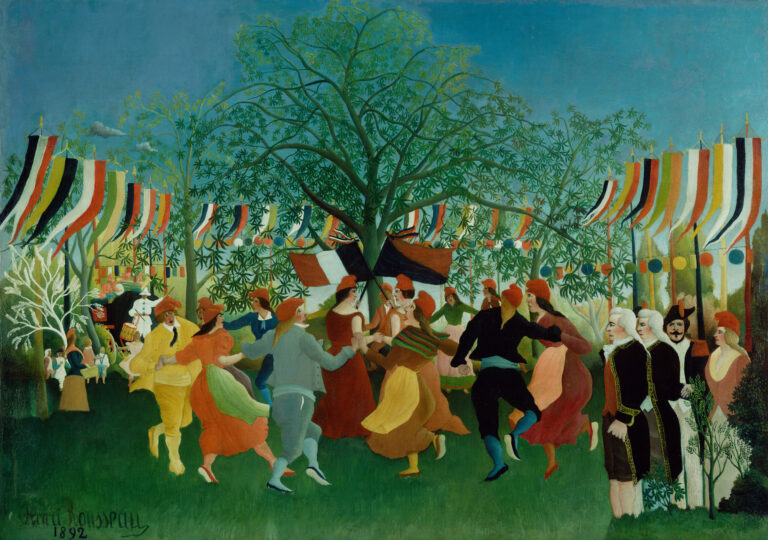
Post-Impressionism refers to a French artistic movement that emerged between 1886 and 1905, after the last Impressionist exhibition. The term was created in 1910 by critic Roger Fry to describe artists who moved beyond Impressionism. This movement encompasses varied individual approaches by Paul Cézanne, Vincent van Gogh, Paul Gauguin, and Georges Seurat. These Post-Impressionist artists rejected the fleeting representation of light to explore geometric structure, symbolic color, emotional expression, and scientific theories of perception. Post-Impressionism constitutes the essential bridge between 19th-century Impressionism and 20th-century modern art, heralding Fauvism and Cubism.
What are the main characteristics of Post-Impressionist painting?
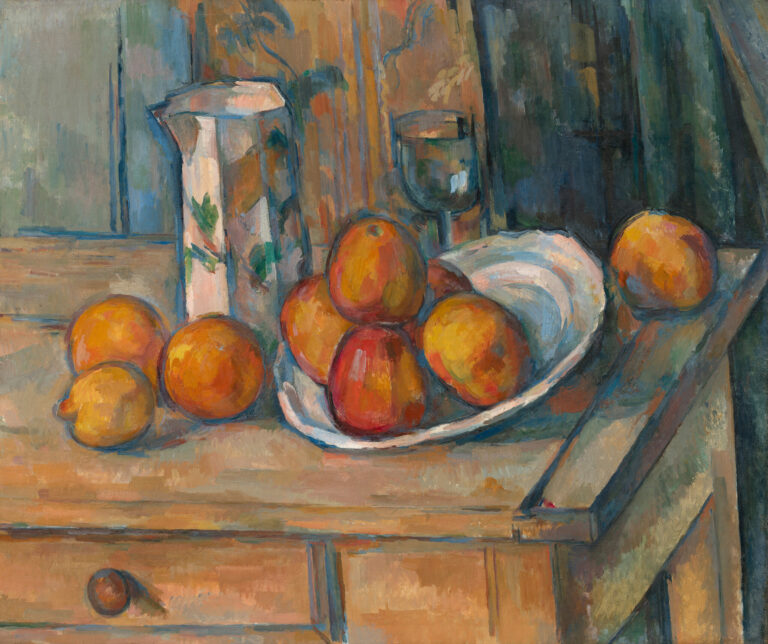
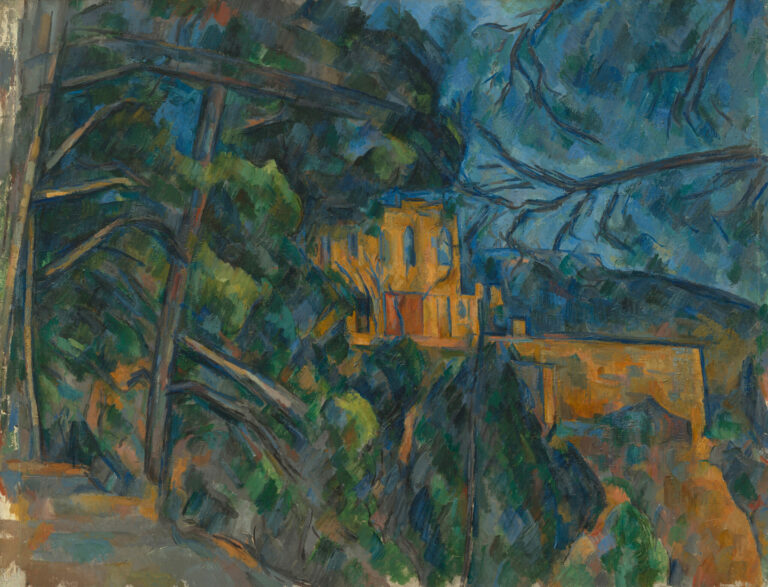
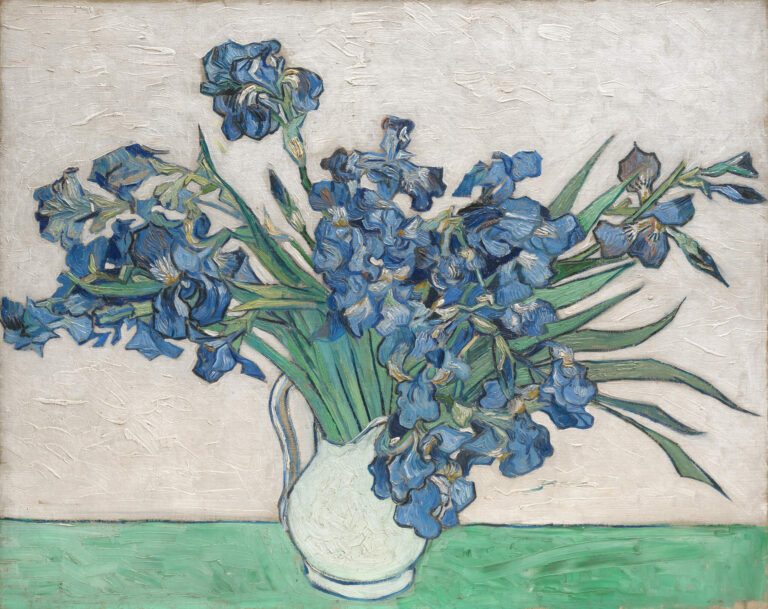
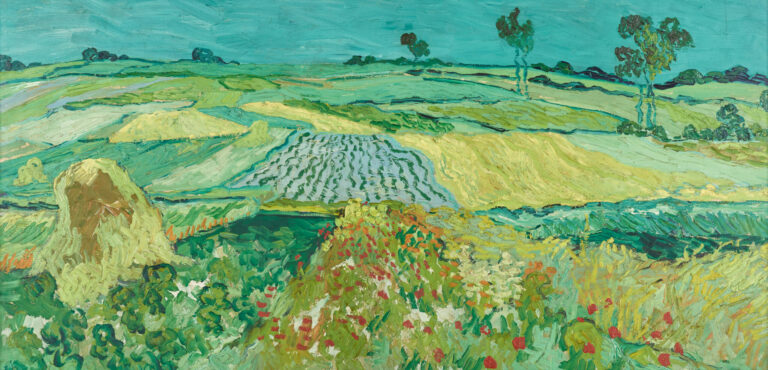
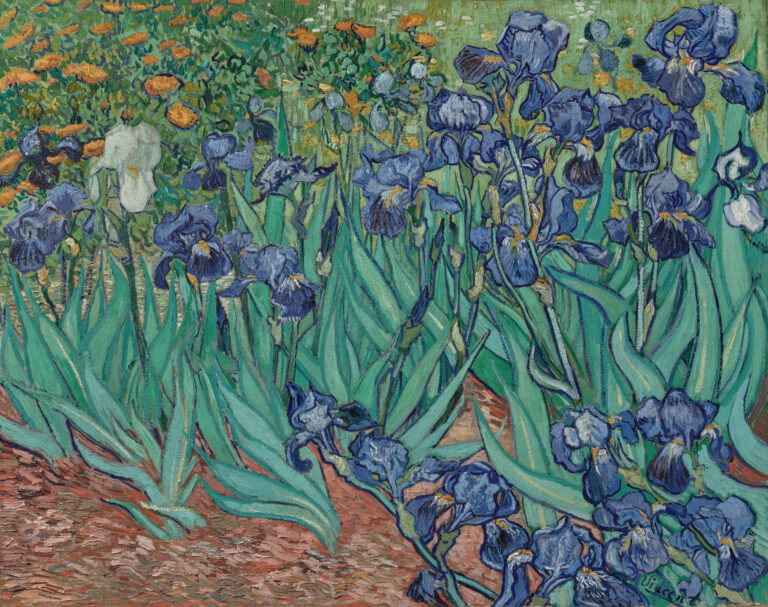
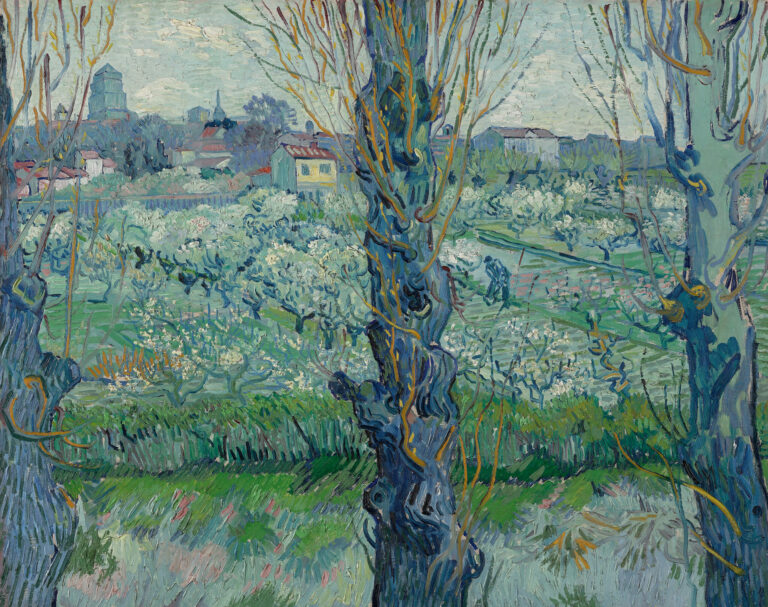
Post-Impressionist painting emphasizes structure and geometric form rather than fleeting impressions. Cézanne treats nature through the cylinder, sphere, and cone, while Van Gogh expresses emotion through intense colors and swirling brushstrokes. Gauguin uses flat areas of non-naturalistic symbolic colors to express spiritual ideas. Seurat develops Pointillism, a scientific application of color division theory. Post-Impressionist artists seek the permanent essence of things beyond momentary visual appearance. These innovations prepare the artistic revolutions of the 20th century, from Fauvism to Cubism and Expressionism.
Paul Cézanne: why is he considered the father of modern art and Post-Impressionism?
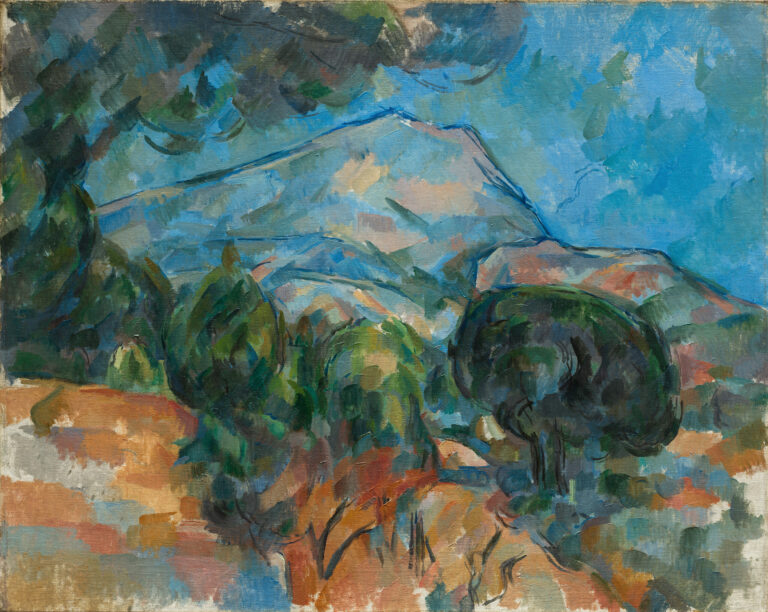
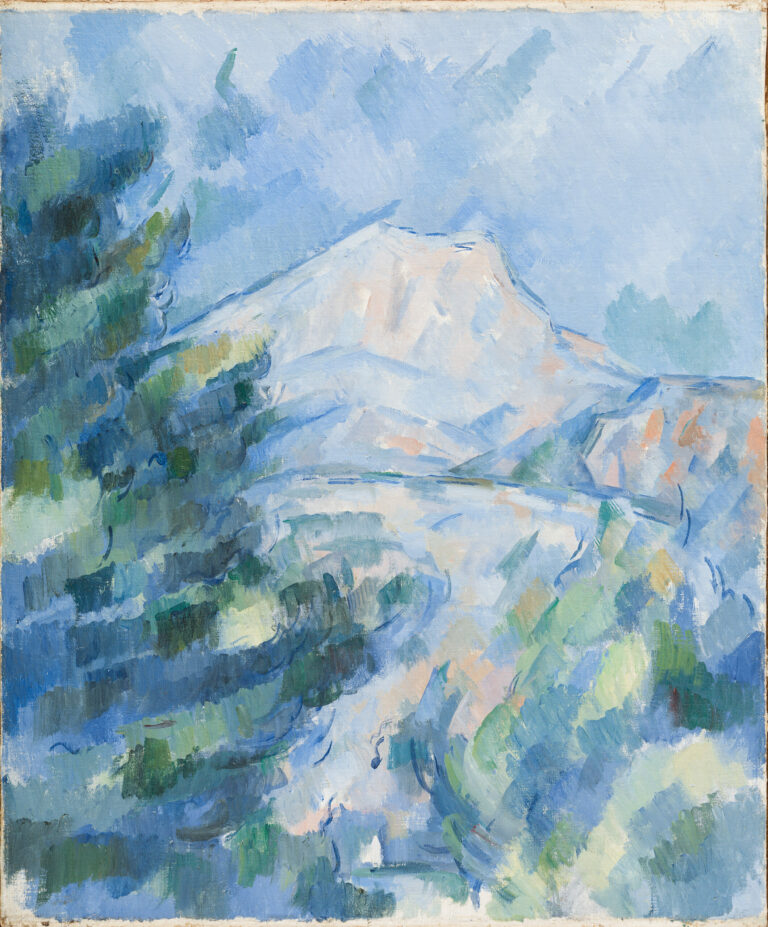
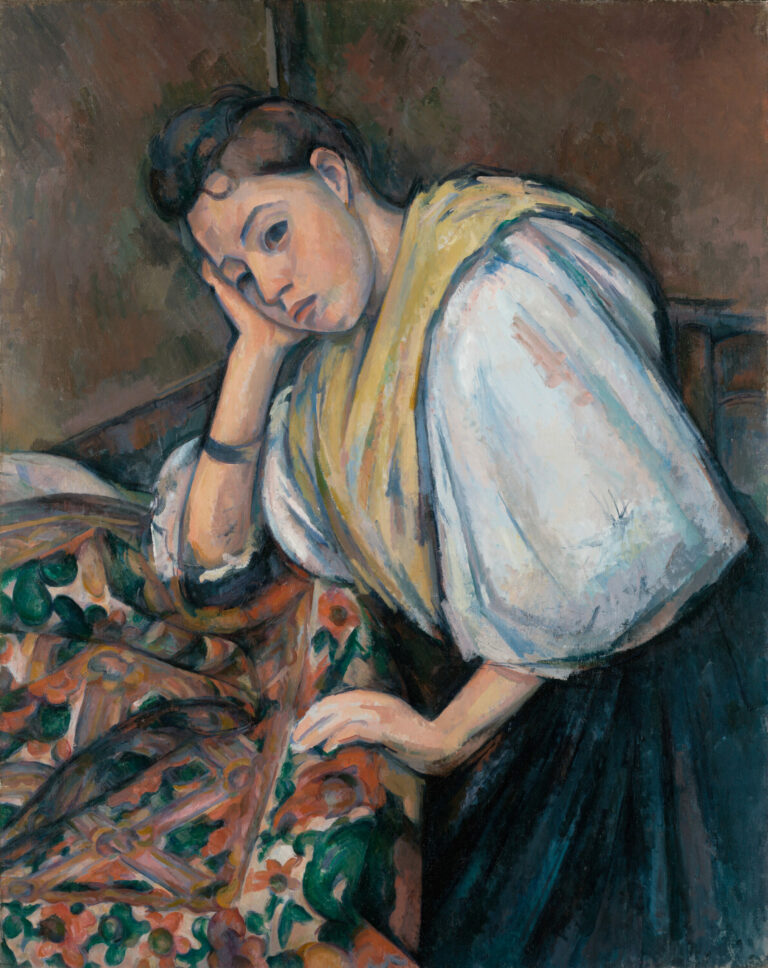
Paul Cézanne (1839-1906) revolutionizes painting by constructing space through color rather than traditional perspective. His method of geometric simplification – “treating nature through the cylinder, sphere, and cone” – directly influences the Cubism of Picasso and Braque. His major works such as Mont Sainte-Victoire, The Large Bathers (1906), and his still lifes transform pictorial composition. Cézanne develops chromatic “modulation” where color variations simultaneously create form and space. Matisse and Picasso consider him their master. His structural approach paves the way for abstraction and 20th-century modern art.
Vincent van Gogh and Paul Gauguin: what are their contributions to Post-Impressionism?
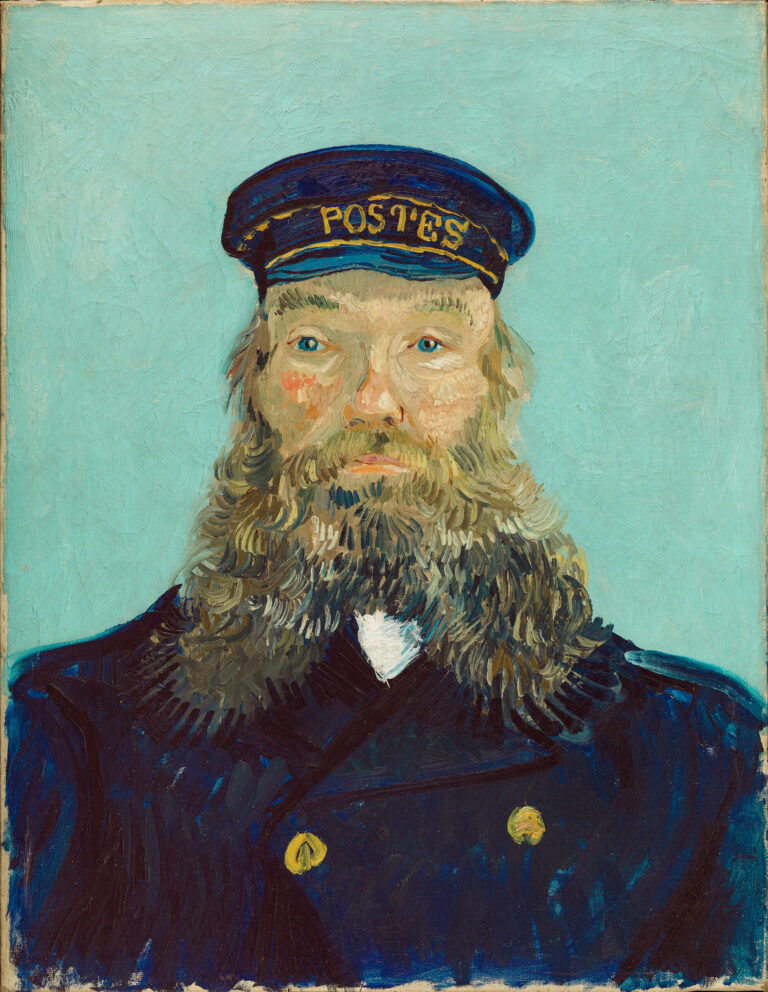
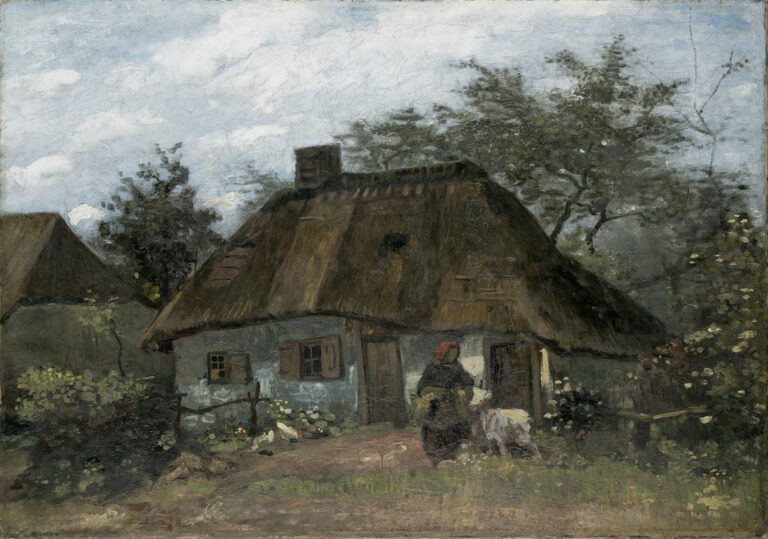
Vincent van Gogh (1853-1890) revolutionizes emotional expression with his intense colors and swirling brushstrokes. His masterpieces such as The Starry Night (1889), Sunflowers (1888), and Wheatfield with Crows (1890) express his tormented vision and herald Expressionism. Paul Gauguin (1848-1903) develops Synthetism with flat areas of vivid colors outlined in black, visible in Vision after the Sermon (1888) and Where Do We Come From? What Are We? Where Are We Going? (1897-1898). In Tahiti, Gauguin seeks the primitive and spiritual, using color symbolically. These two geniuses open opposite but complementary paths toward modern art, influencing Fauvism, Expressionism, and Symbolism.
Georges Seurat and Pointillism: what is their place in Post-Impressionism?
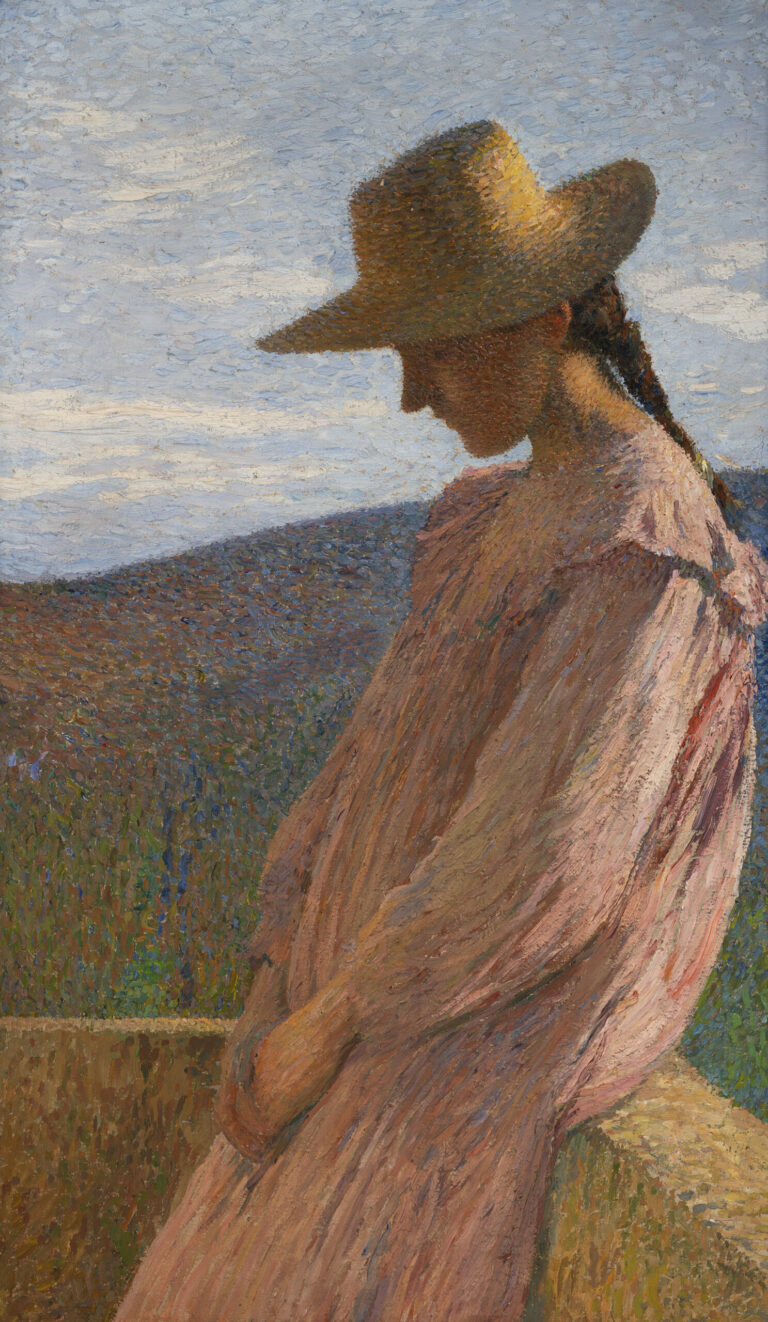
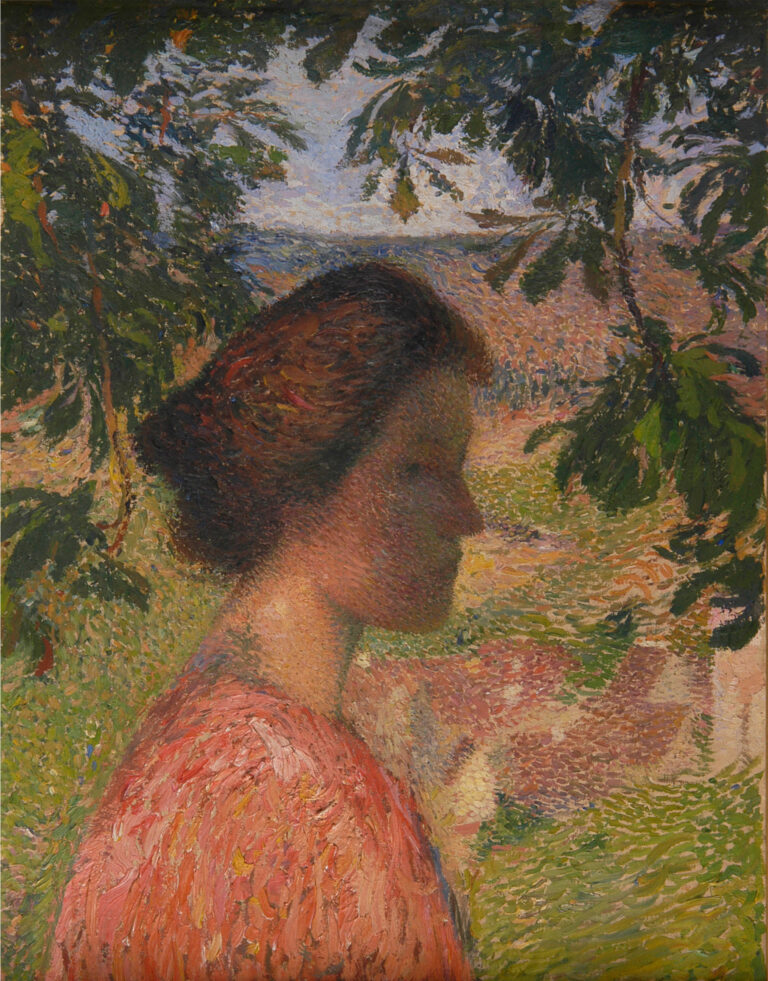
Georges Seurat (1859-1891) founds Neo-Impressionism or Pointillism, a scientific approach to Post-Impressionism based on optical theories. Pointillism juxtaposes small dots of pure colors that blend in the viewer’s eye. His masterpiece A Sunday Afternoon on the Island of La Grande Jatte (1884-1886) demonstrates this method with millions of dots creating a monumental composition. Seurat brings scientific rigor and architectural structure, contrasting with Van Gogh’s emotional approach. Paul Signac (1863-1935) continues and theorizes the movement after Seurat. Pointillism directly influences Fauvism and Italian Divisionism, proving the diversity of Post-Impressionism.