Matisse
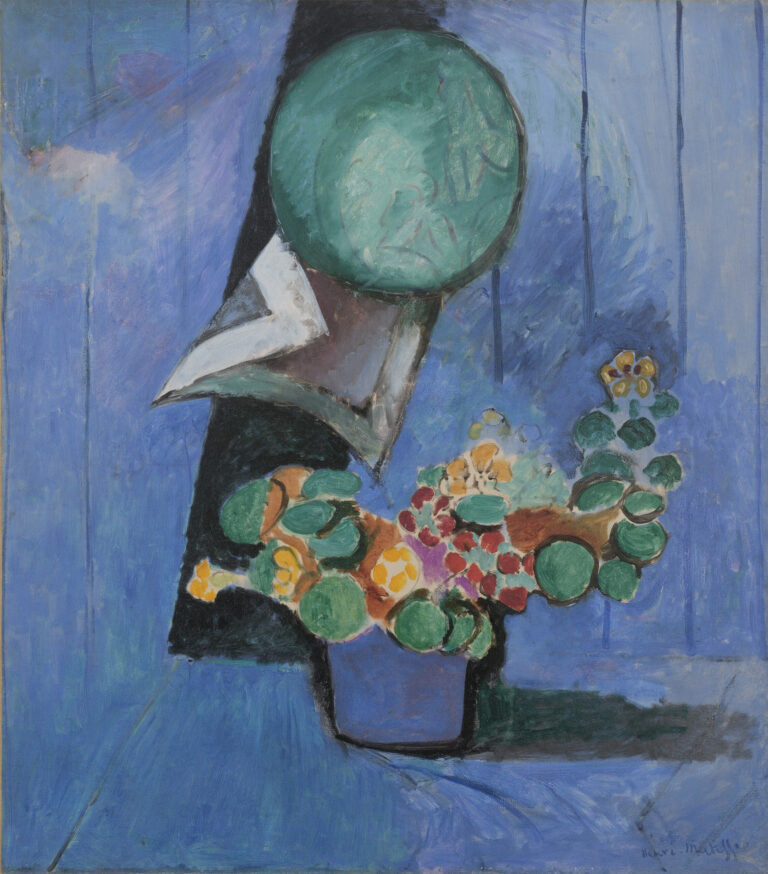
Born on December 31, 1869, in Le Cateau-Cambrésis, in northern France, Henri Matisse initially studied law before turning to painting in the early 1890s, during a long convalescence. Trained at the Académie Julian and later in Gustave Moreau’s studio at the École des Beaux-Arts in Paris, he quickly broke free from academic convention. In 1905, at the Salon d’Automne, his canvases of pure, violently contrasting color earned him and his fellow painters André Derain and Maurice de Vlaminck the nickname “fauves” (wild beasts). This moment marked the birth of Fauvism, the first major pictorial movement of the twentieth century, of which Matisse became the leading figure.
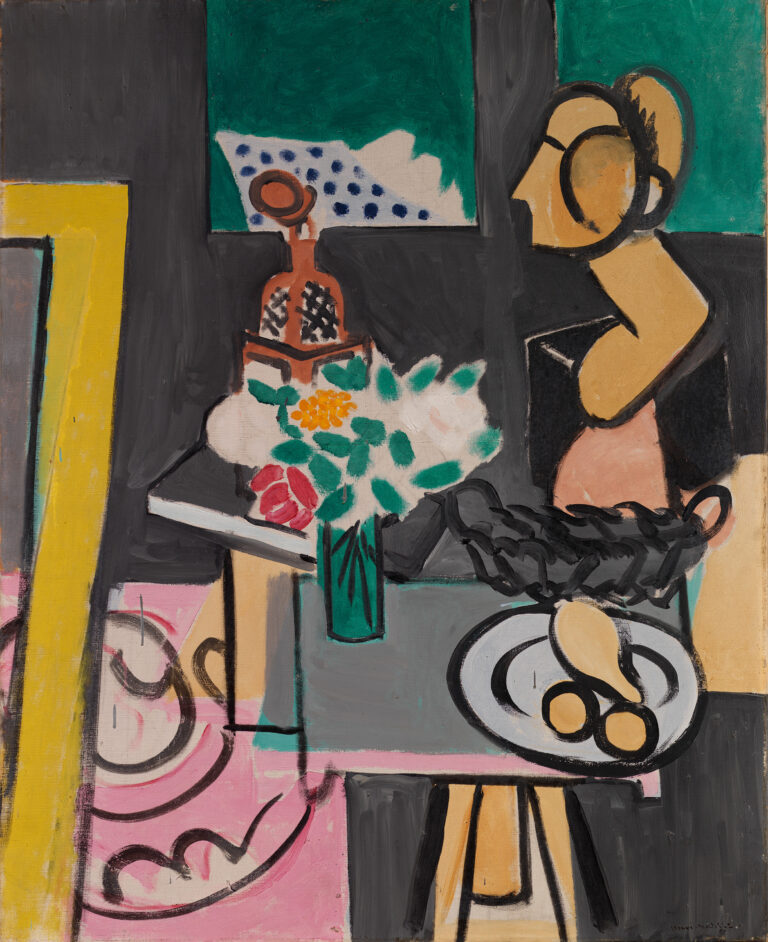
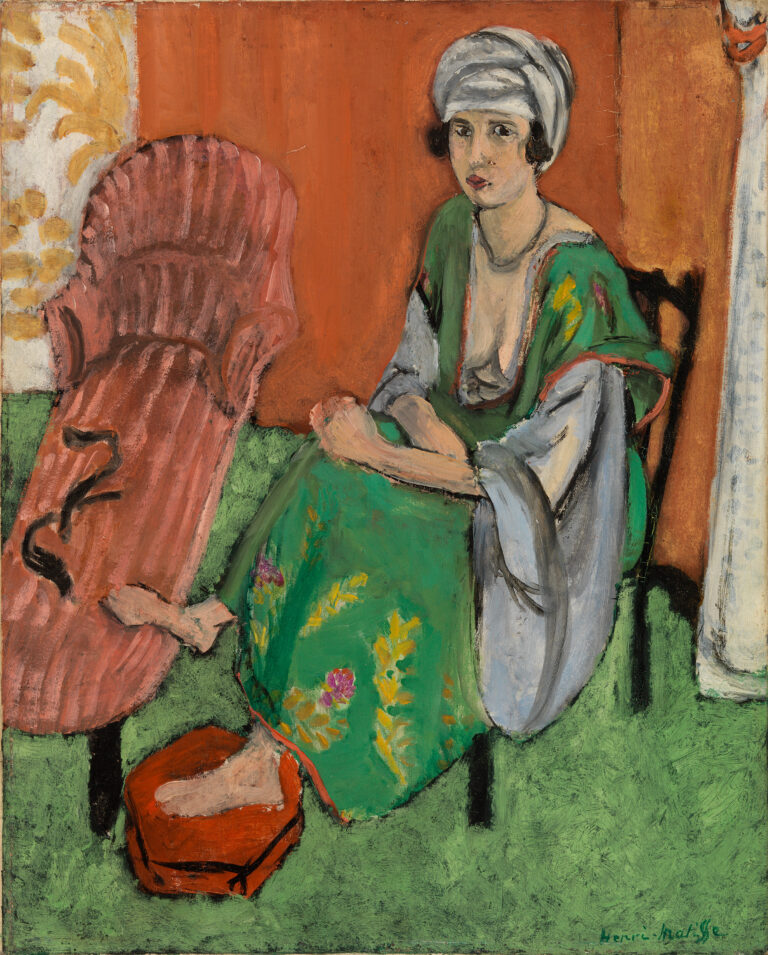
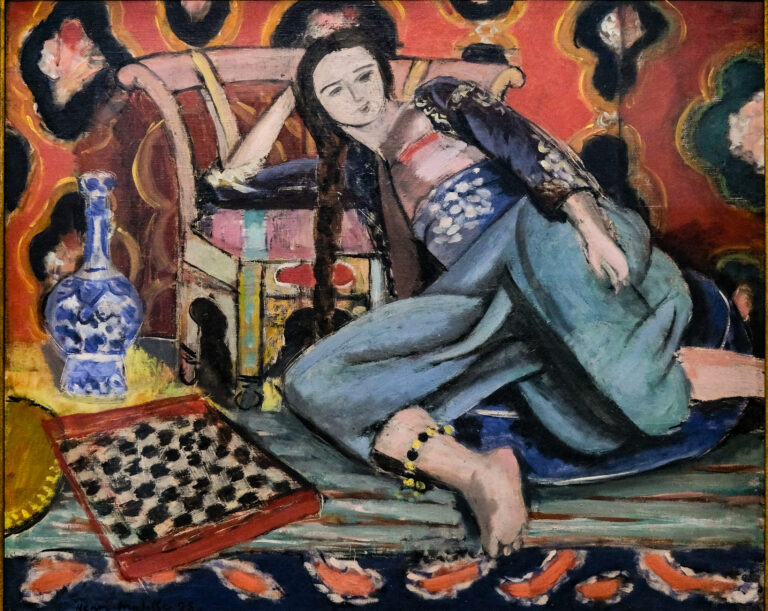
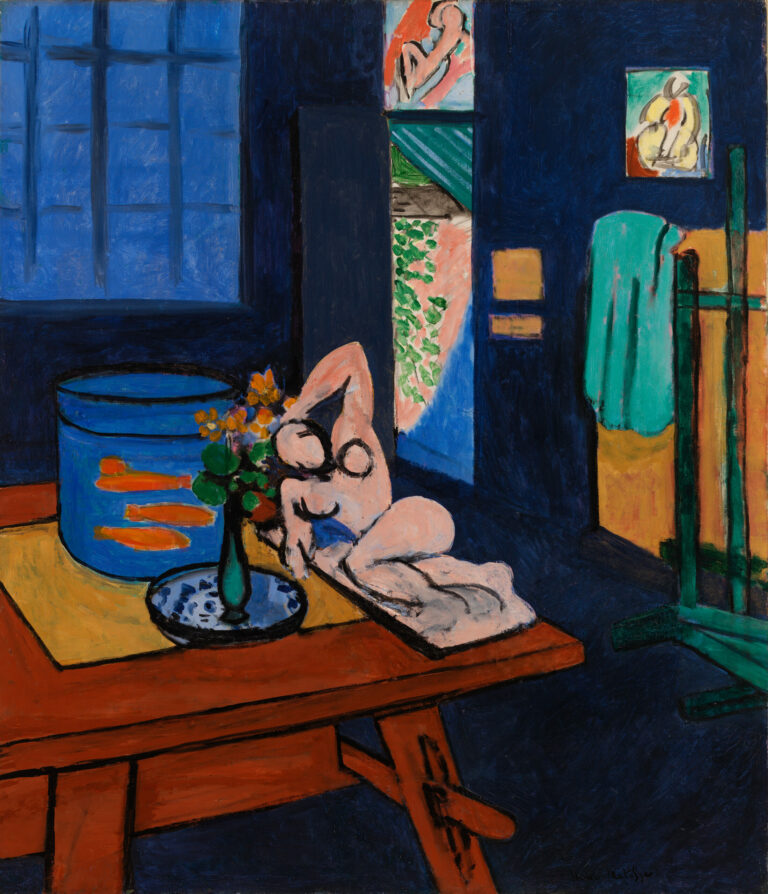
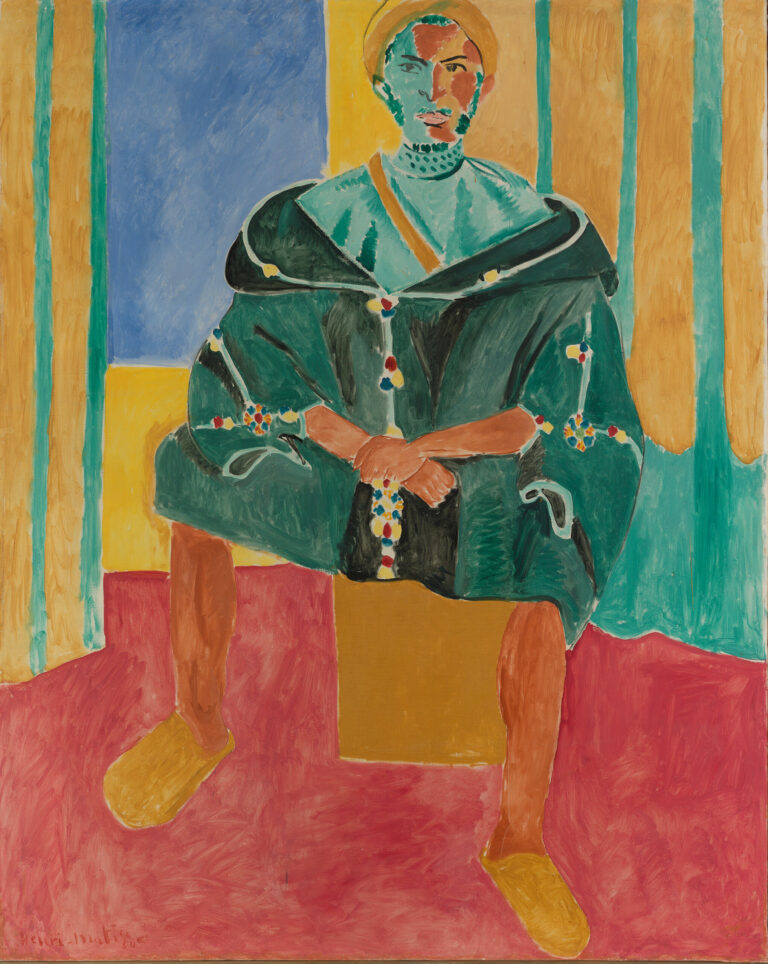
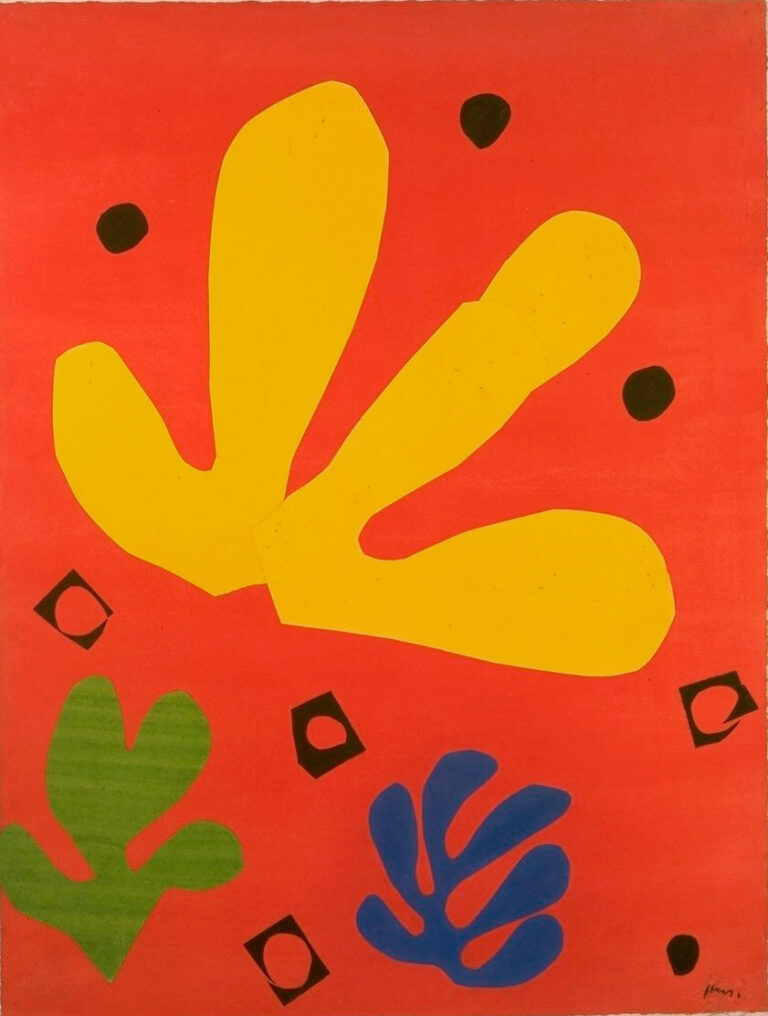
Throughout his career, Matisse made color his principal field of exploration, more than line or volume. His stays in Morocco in 1912 and 1913 renewed his palette through contact with Mediterranean light, as seen in Seated Riffian. He then moved through several stylistic periods, alternating between near-Cubist rigor and a calmer, more figurative style known as his “Nice period.” Late in life, limited in his physical movement, he invented the technique of the cut-out, carrying to its radical conclusion his lifelong pursuit of a color liberated from drawing and from the canvas itself. He died in Nice on November 3, 1954, leaving behind a body of work considered among the most influential in modern art.