School of Paris
The term School of Paris (École de Paris) popularised by the critic André Warnod in 1925, does not designate an artistic movement in the strict sense, with a shared style or manifesto, but rather a phenomenon: the gathering, in the Paris of the first half of the twentieth century, of artists from across the world, Italy, Poland, Russia, Bulgaria, Japan, for whom the French capital represented the undisputed centre of modern creation. Settling for the most part in Montparnasse rather than Montmartre, these painters and sculptors shared less a common aesthetic than a common experience: that of exile, precarity, and a creative freedom far removed from the academicism of their native countries.
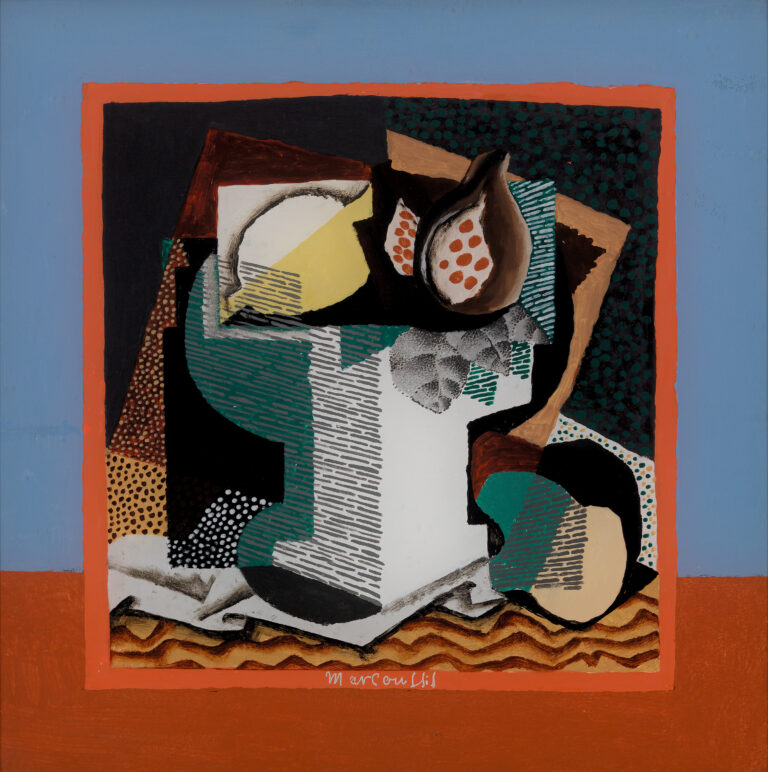
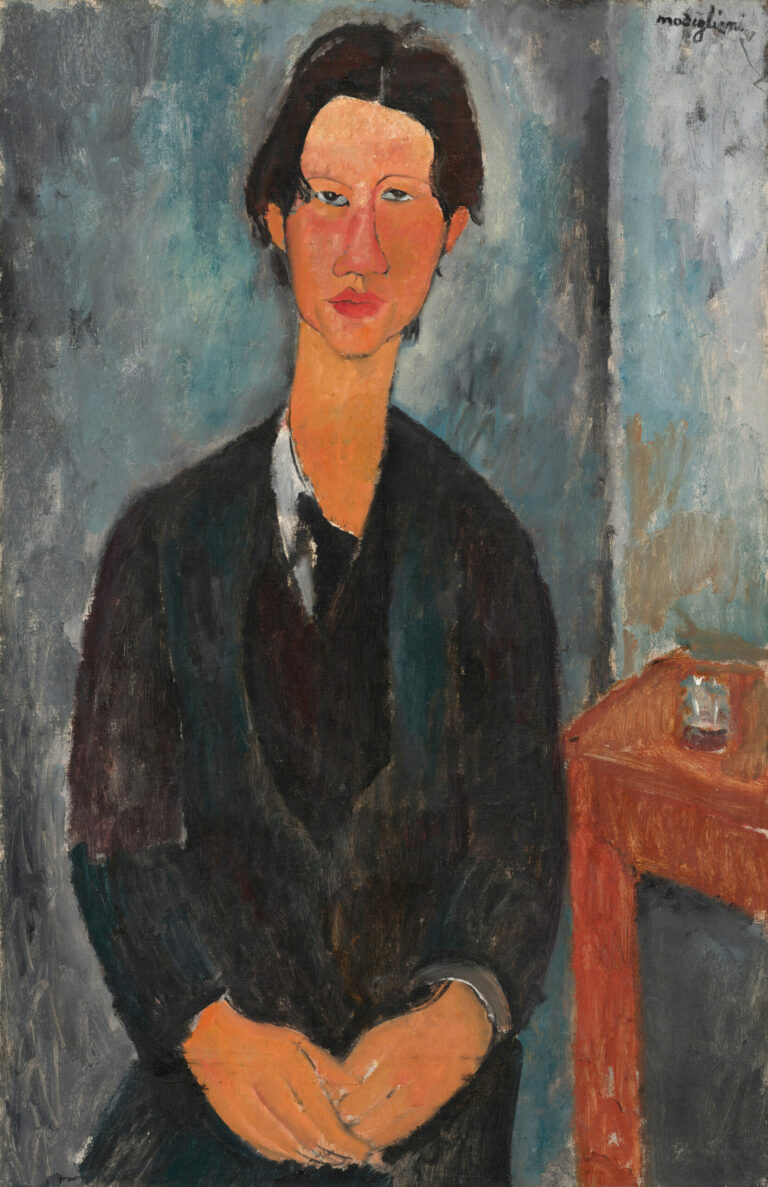
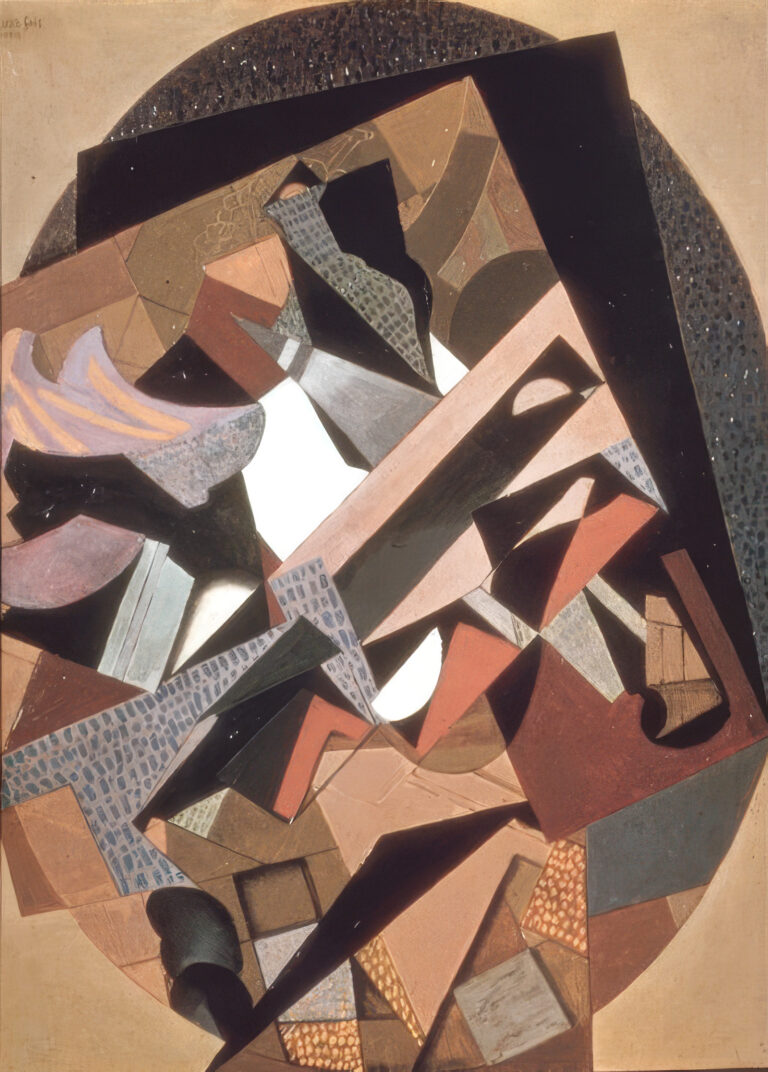
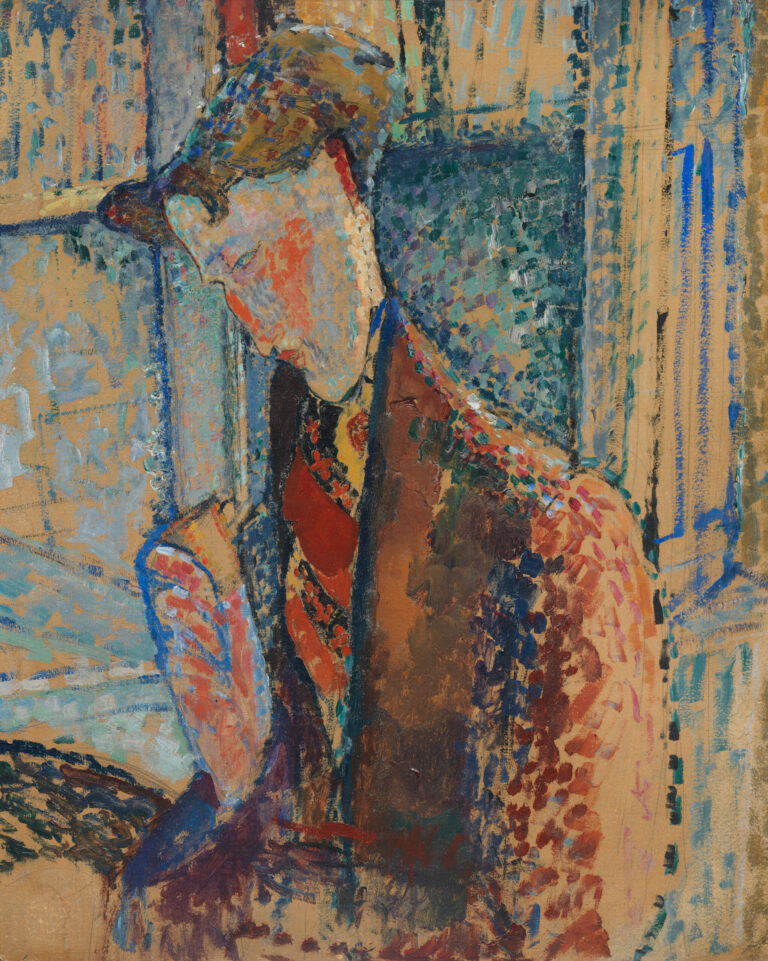
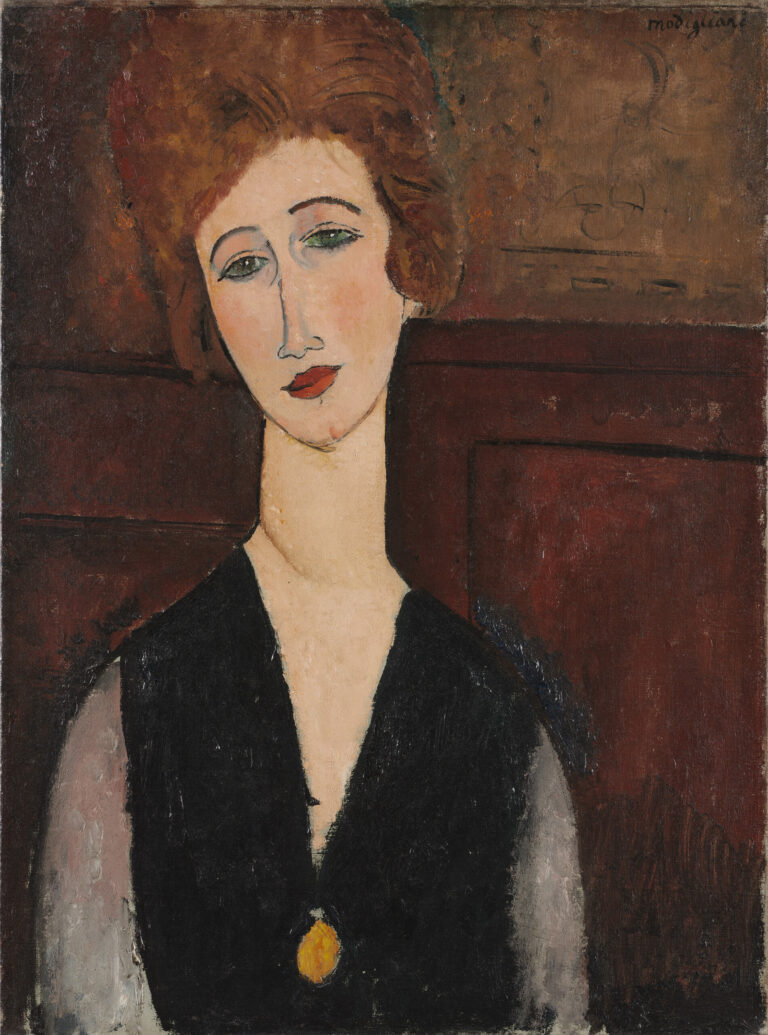
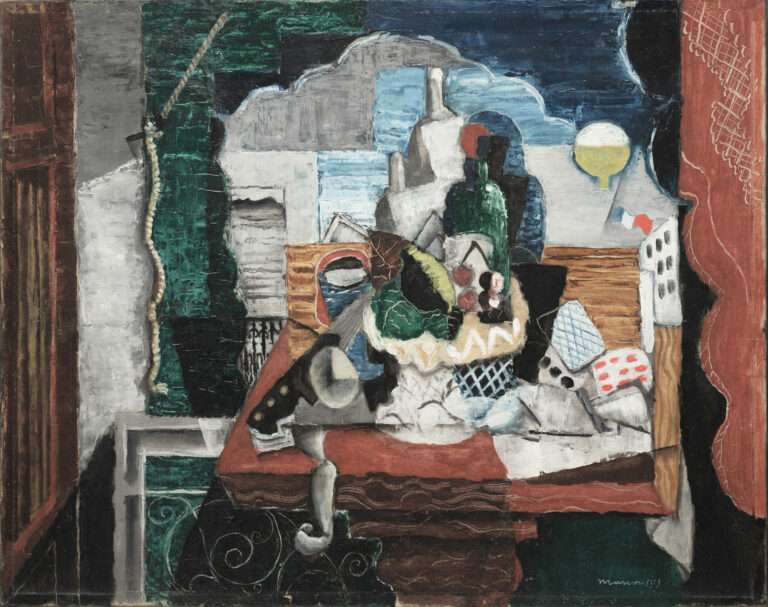
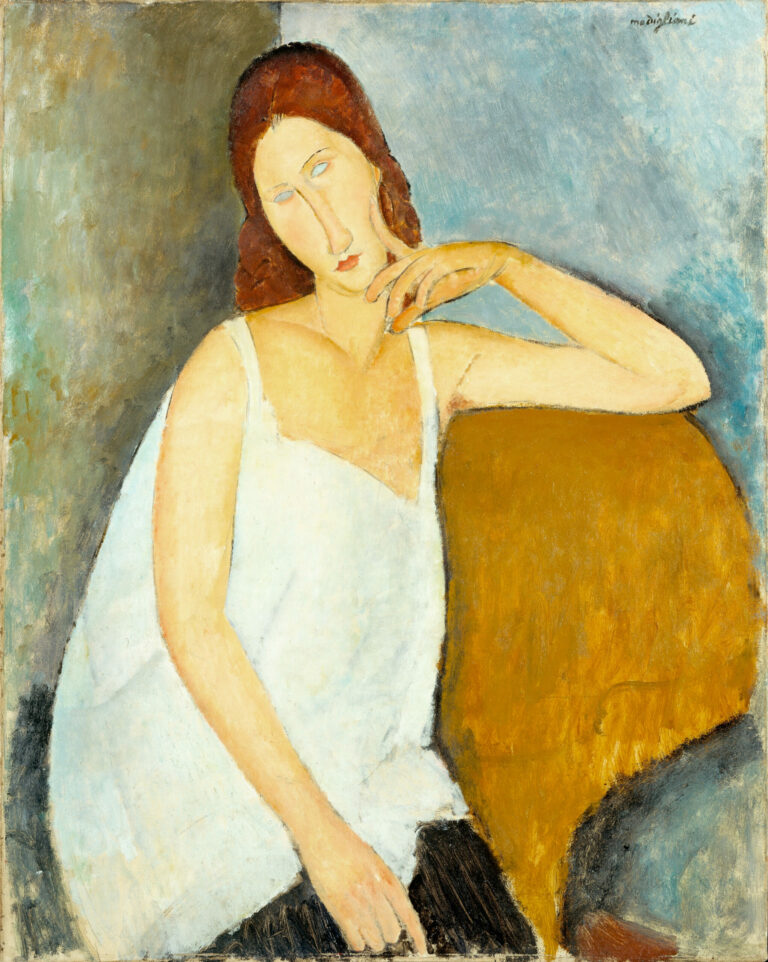
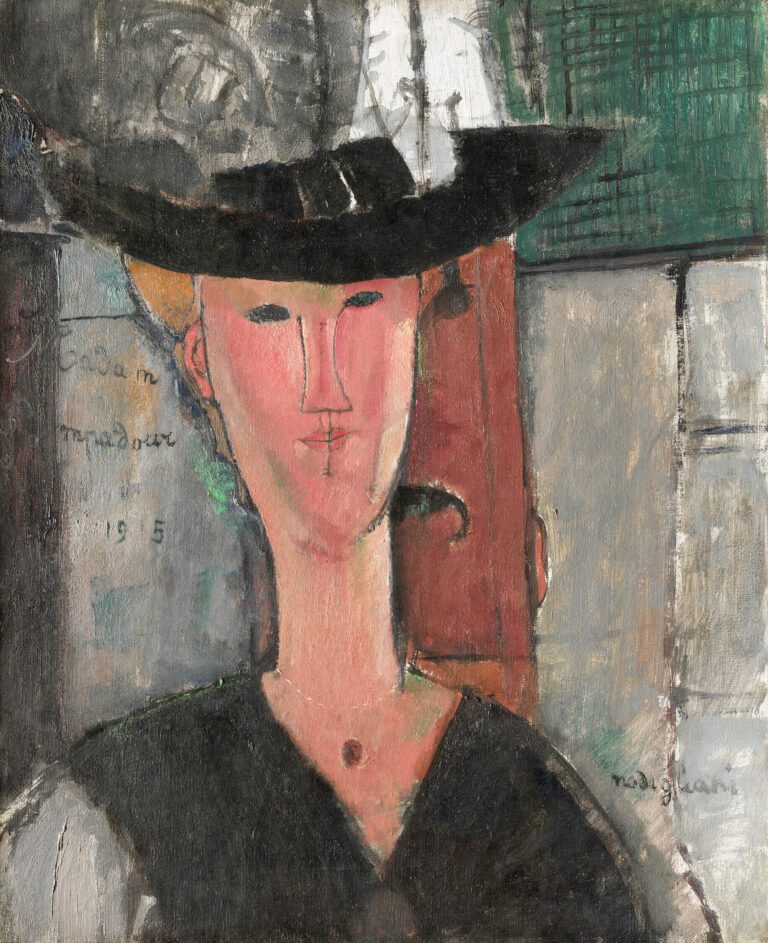
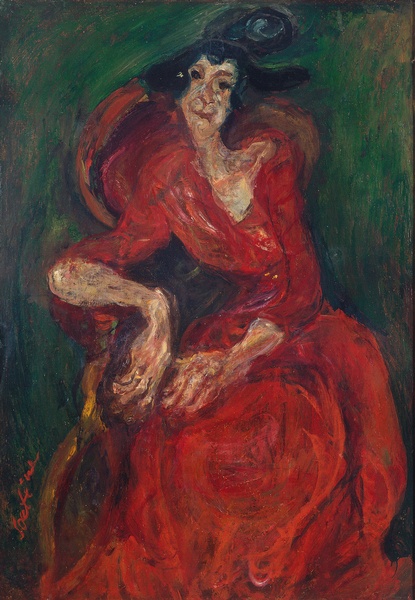
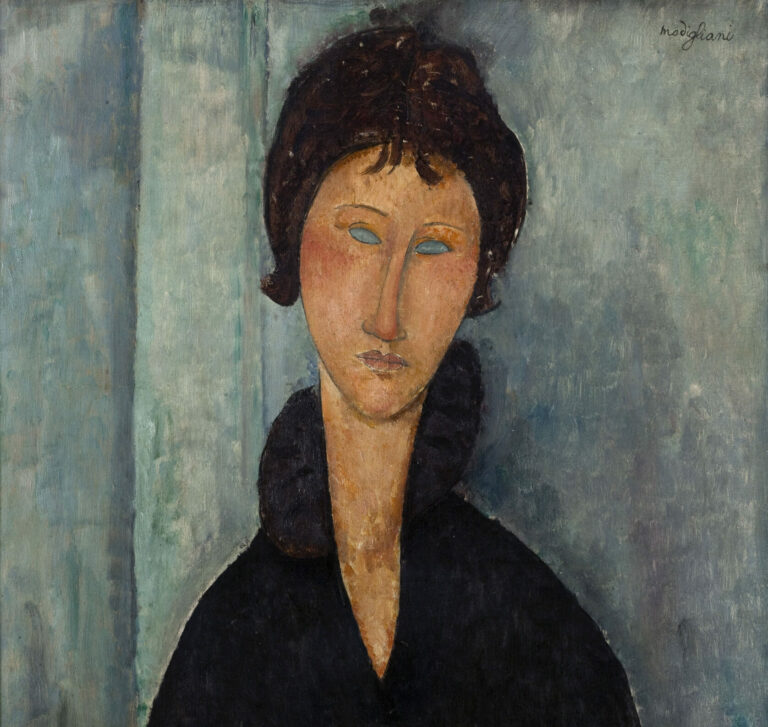
This diversity of origins gave rise to a striking range of styles, from Modigliani’s expressive portraits and sinuous line to Soutine’s thick, tormented brushwork, by way of Marcoussis’s Cubist explorations. What unites them, beyond the cross-currents of Fauvism, Cubism, and Expressionism, is this adoptive Parisian identity: a generation of foreign-born artists who, between the two World Wars, made Paris the laboratory of their art, and, for many, the site of a tragic fate, marked by poverty and, under the Occupation, by persecution, lending this designation, in retrospect, a gravity beyond that of a mere stylistic label.