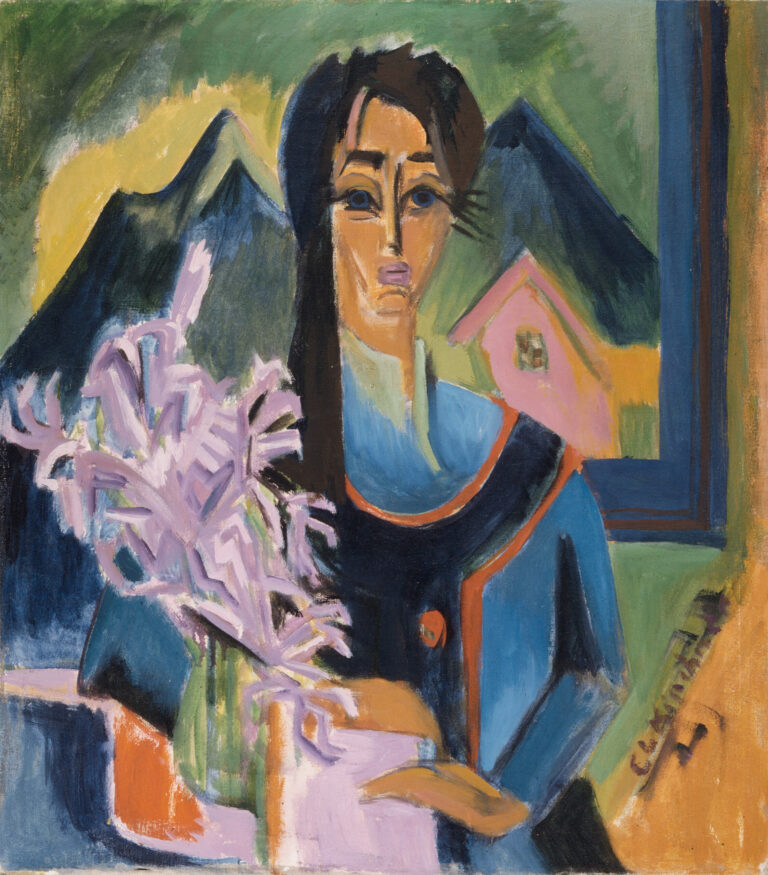
Kirchner
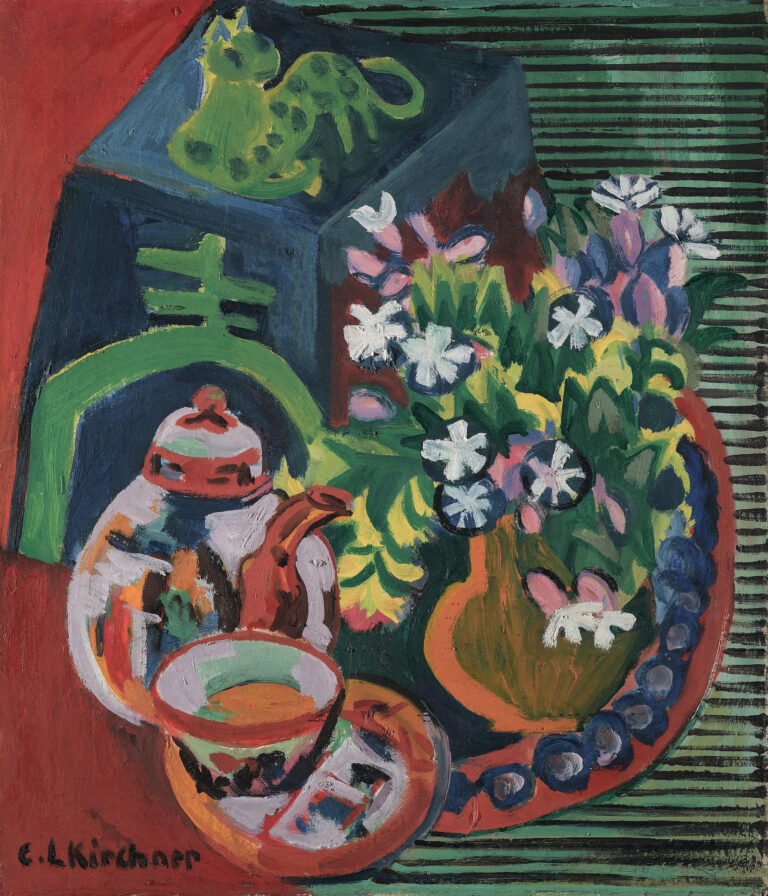
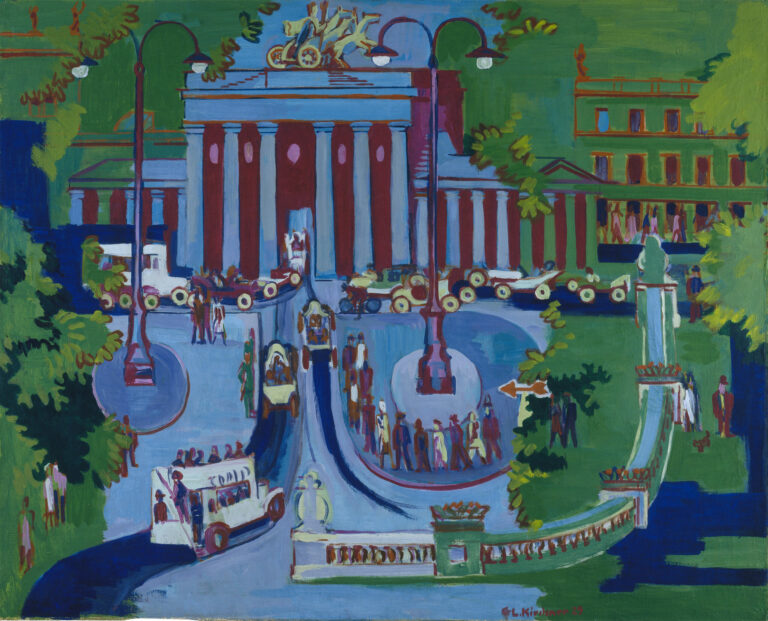
Ernst Ludwig Kirchner was born on 6 May 1880 in Aschaffenburg, Bavaria. A painter, printmaker, and sculptor, he was the driving intellectual force behind Die Brücke, The Bridge, the first group associated with German Expressionism, founded in Dresden in 1905 alongside Erich Heckel, Karl Schmidt-Rottluff, and Fritz Bleyl. Rejecting academic tradition, the group pursued raw, immediate expression through distorted forms, violent colour contrasts, and angular lines, drawing inspiration from African and Oceanic art, medieval German woodcut, and French Fauvism. In 1911, Kirchner moved to Berlin, where his celebrated street scenes, angular silhouettes, clashing colours, anonymous crowds, made him the sharpest visual chronicler of urban modernity, with works such as Street, Dresden (1908) and Street Scene, Berlin (1913).
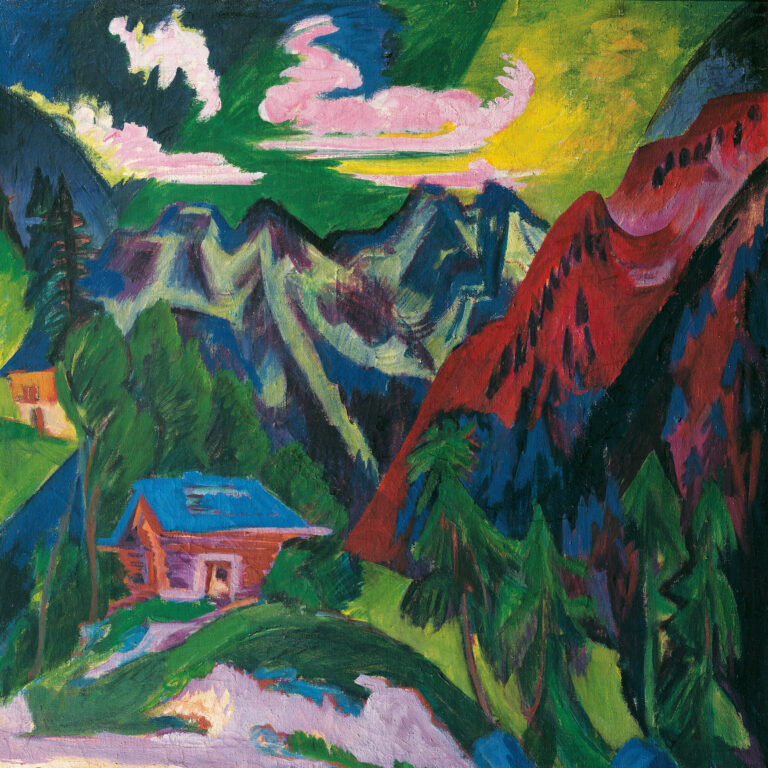
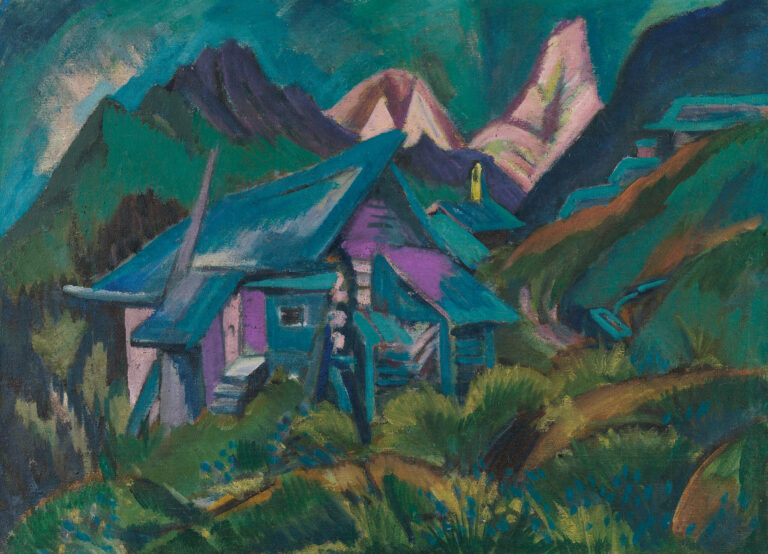
The First World War plunged Kirchner into a deep existential crisis, leading to illness and prolonged stays in sanatoria. He settled in Davos in 1917, turning to Alpine landscapes and a calmer, more monumental style. In 1933, the Nazi regime branded his work “degenerate art,” and over 600 of his paintings were removed from German museums, sold off or destroyed. Crushed by physical and psychological suffering, Kirchner took his own life on 15 June 1938 near Davos. His tormented self-portraits and urban compositions remain among the defining masterworks of twentieth-century European Expressionism.