van Dyck
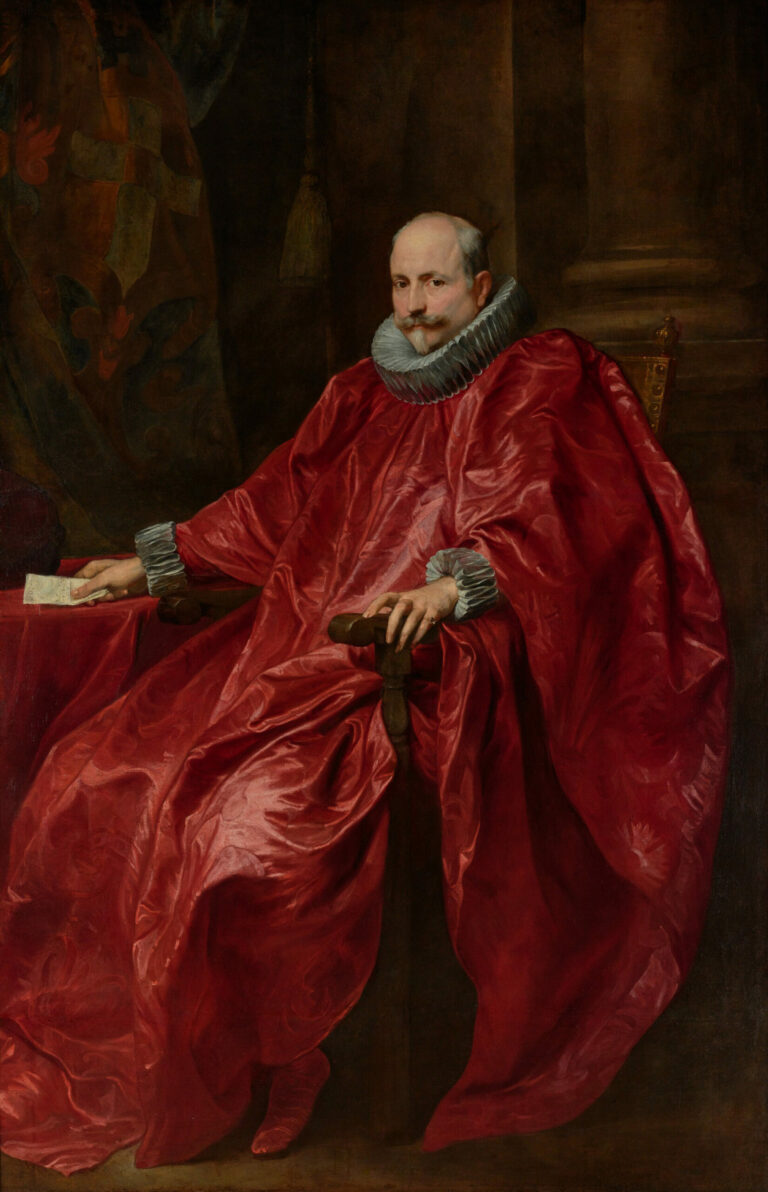
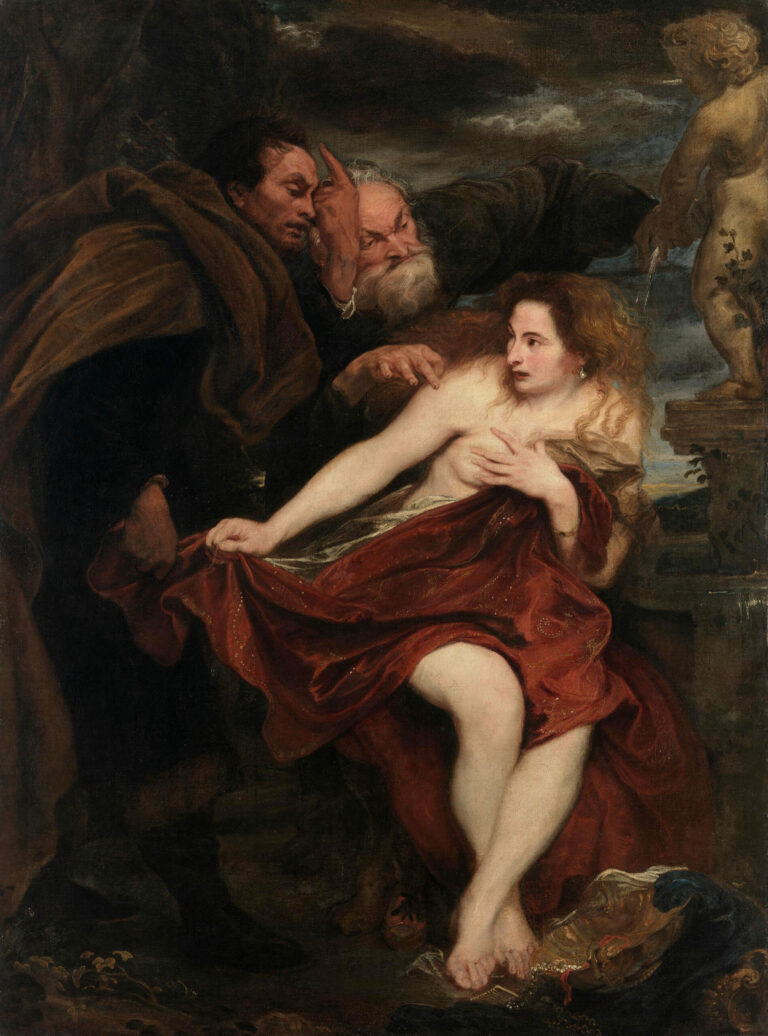
Antoine van Dyck was born on 22 March 1599 in Antwerp, in the Spanish Netherlands. A child prodigy, he entered the workshop of Hendrik van Balen at the age of 10, before becoming the principal assistant of Peter Paul Rubens at 19, whom Rubens himself described as “the best of my pupils.” Between 1621 and 1627, Van Dyck travelled extensively in Italy, where he discovered the masters of the Renaissance, above all Titian, Giorgione, and Veronese, whose influence would prove decisive on his art. It was in Italy, particularly in Genoa, that he developed his distinctive portrait style: refined elegance, sumptuous drapery, and penetrating psychological insight.
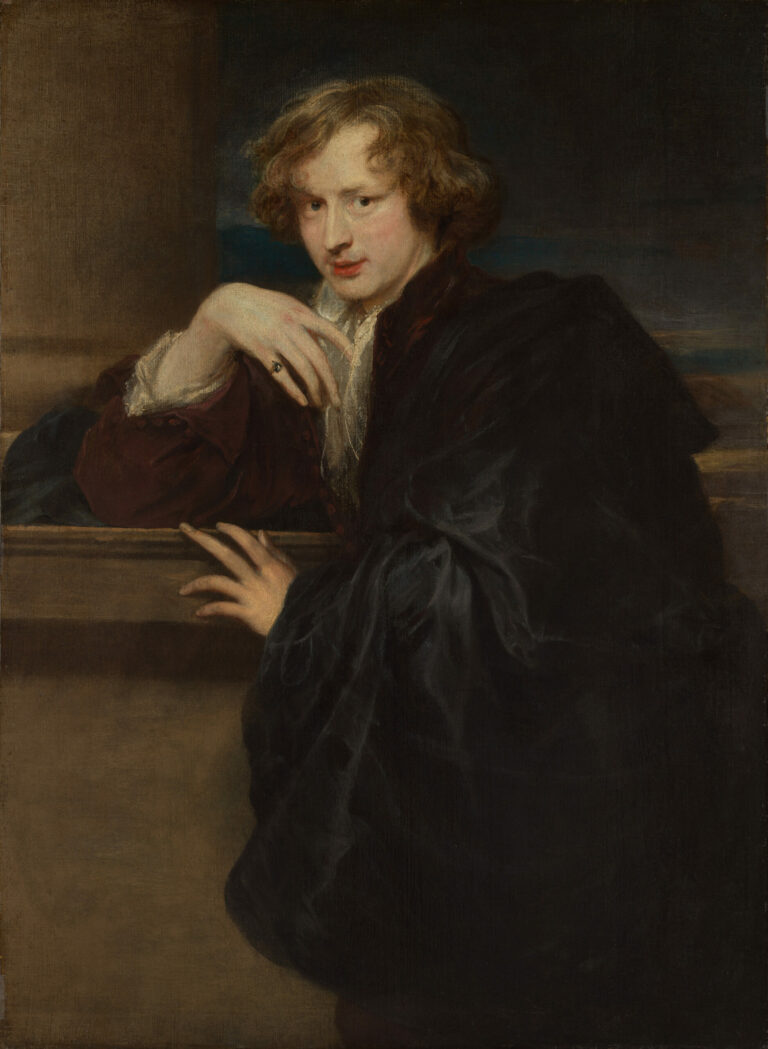
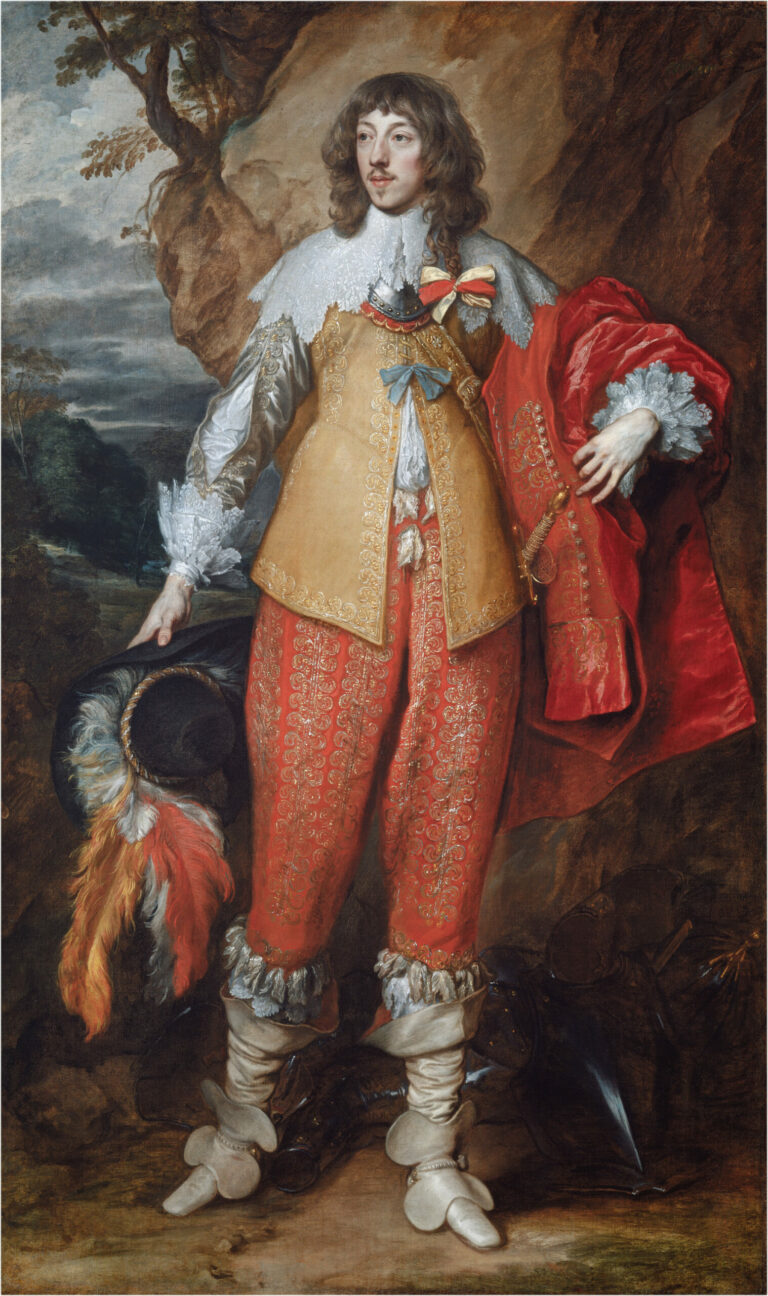
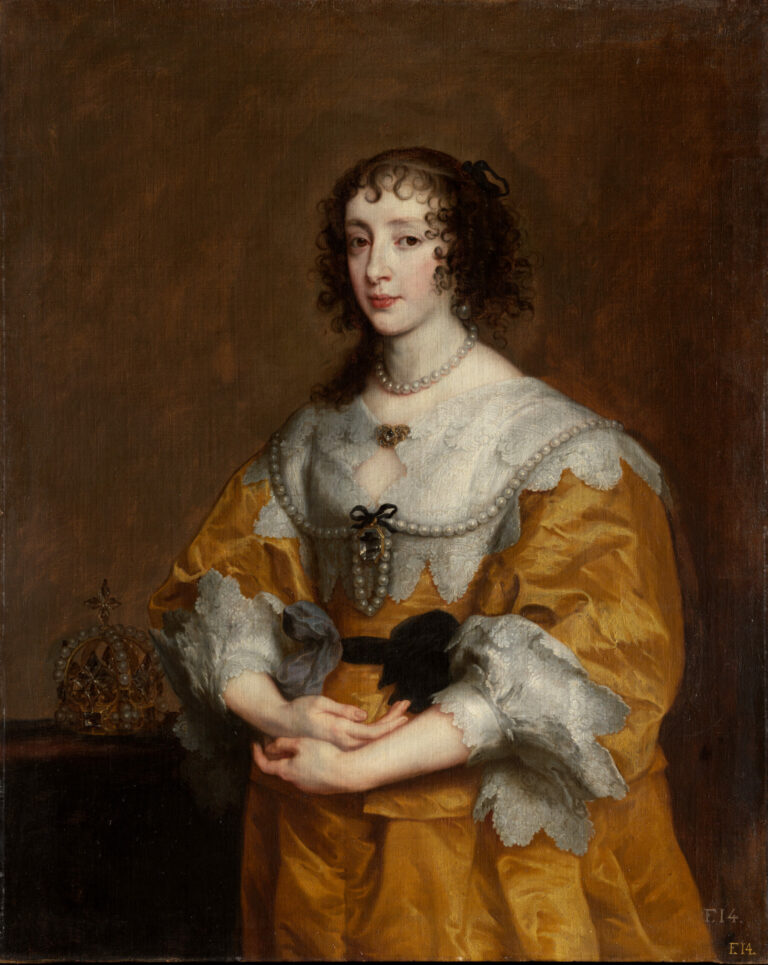
Called to London by King Charles I in 1632, Van Dyck became the foremost court painter in England, celebrated for his portraits of the king, his family, and the aristocracy, rendered with a relaxed, aristocratic grace that shaped English portraiture for over a century. Knighted by the king, he thereafter signed his works “Sir Anthony van Dyck.” Among his most iconic works are the Equestrian Portrait of Charles I (1637), the Triple Portrait of King Charles I (1635), and a series of compelling self-portraits. He died on 9 December 1641 in London, leaving behind a vast body of work that helped lay the foundations of the English school of painting and continued to inspire Gainsborough and Reynolds throughout the eighteenth century.