Key facts
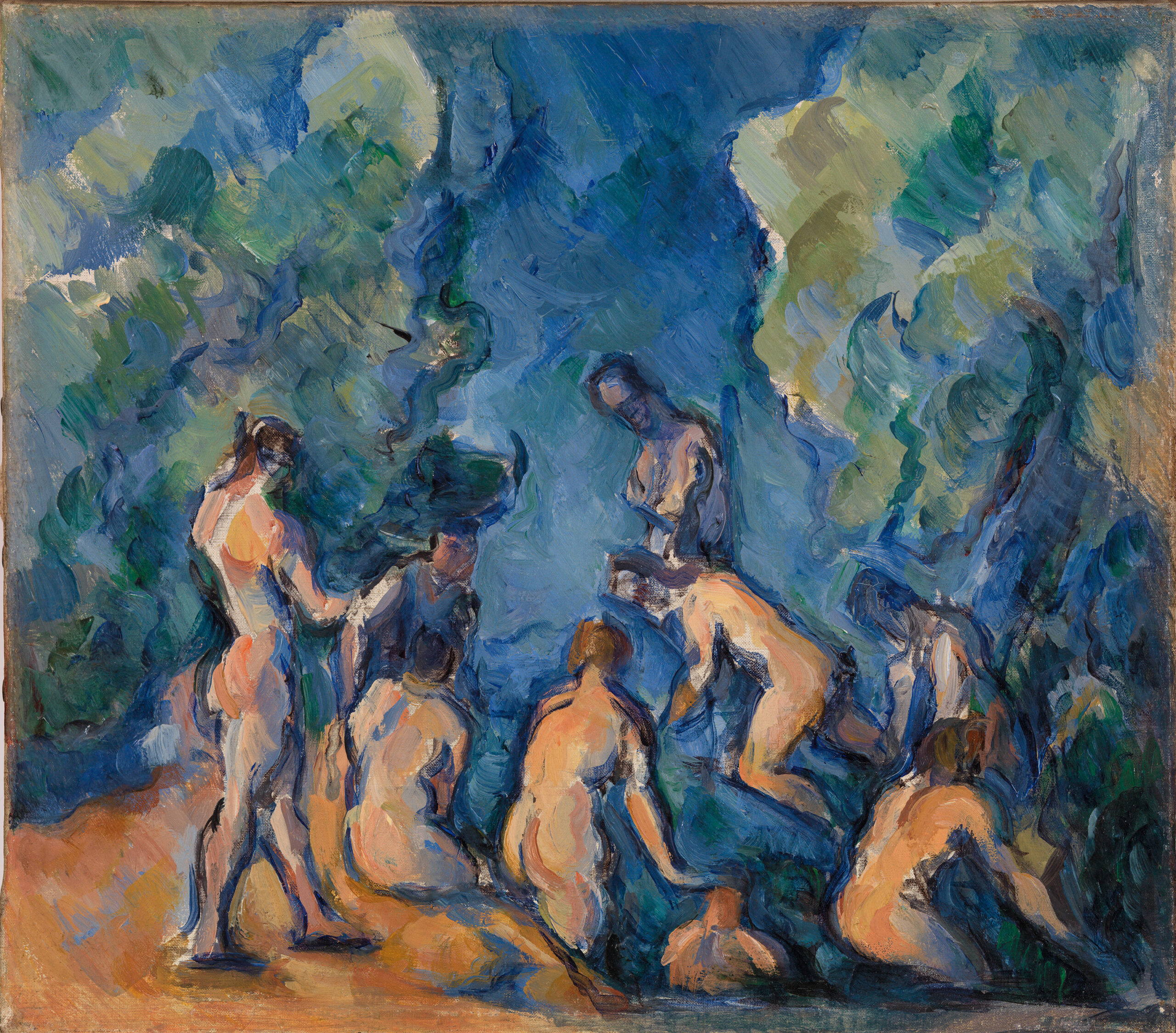
Painted by Paul Cézanne between 1902 and 1904, the Bathers in the Barnes Foundation, Philadelphia, is a small oil on canvas. It shows a group of nude figures gathered in a forest, a theme the Aix-born artist returned to until the end of his life, most notably in The Large Bathers, held by the same institution. Associated with Post-Impressionism, the composition borrows its poses from classical statuary, yet leaves the bodies undefined, often androgynous, melting into the foliage. Quick brushwork, blue outlines and areas of bare canvas build space through color. This approach deeply influenced twentieth-century painters, including Henri Matisse.
In this anniversary period, exactly 120 years after Paul Cézanne’s death in October 1906, I wanted to pause on this small painting, which moves me deeply. It measures barely 24 × 27.5 cm. These are bathers, a theme dear to Cézanne, one he returned to tirelessly over the last thirty years of his life, culminating in the monumental compositions, one of which is also held by the Barnes Foundation. The subject is as old as painting itself: from Titian’s nymphs to Poussin’s shepherds, by way of Manet’s Le Déjeuner sur l’herbe, nude bodies in nature run through the whole history of art.
But here, depicting the body is not an end in itself. What matters is the work on form. The bathers are neither idealized nor individualized. They are volumes, masses in dialogue with the trees and the sky. Cézanne works fast, with lively, almost nervous brushstrokes. He uses few colors, just enough to bring the vegetation and the bodies into being. He does not try to finish or smooth anything over. The essence lies not in the depiction but in the result: a construction where every stroke counts, where landscape and figures become one.
That is why I love this small work. It carries the whole legacy of art history, and at the same time it is profoundly new, handled in a way no one had dared before him. You can already sense what would fascinate Matisse and Picasso a few years later, and what the exhibition Cézanne et nous (Cézanne and Us) at the Grand Palais highlights this autumn. In front of this painting, I feel I am witnessing a turning point: an approach resolutely different from that of his predecessors, one that opens the way to modern painting.
Look at the top left of the canvas. Between two green strokes, the linen shows through, bare. It is beige, almost rough. You can feel the grain of the fabric beneath the paint. Then your eye moves down. A standing figure turns its back to you, arm raised. Its orange flesh is outlined in blue.
The Bathers in detail
Come closer. These patches of bare canvas are not oversights. Cézanne lets them breathe in the foliage, but also in the bodies. On the back of a seated bather, the weave of the support shows through a thin pink scumble. The paint often stays thin, laid down in juxtaposed strokes. Elsewhere it thickens into sinuous commas, almost flames.
The contours are not drawn in advance. They emerge from the brush as blue outlines. Then they are painted over, then taken up again. Look at some of the shoulders: two lines overlap. The painter’s hand hesitates, corrects and decides before your eyes.
The palette rests on a few chords. Deep blues, acid greens, warm ochres for the earth and the skin. No light source dominates. The brightness comes from pale yellow patches in the trees and the raw white of the canvas. The blue of the sky flows right into the flesh. At the top, in the center, one figure is painted almost entirely in blue. It dissolves into the tree around it.
The museum label points it out: the poses come from classical statuary. The bodies, however, remain undefined, often androgynous. Herein lies the painting’s tension. Cézanne borrows the stability of marble. Then he denies his figures the density of marble. They weigh on the ochre ground. Yet they evaporate into the foliage. The subject is bathing. The water, however, is nowhere to be found.
Compare it with The Large Bathers, held in the same collection. Albert Barnes acquired it in 1933. The large format sets up an architecture. This small one searches, tries, undoes. It keeps the trace of every decision.
Cézanne and his time
Between 1902 and 1904, Paul Cézanne is past sixty. The bathers theme has been with him for decades. Around him, a younger generation is closely watching this research. Henri Matisse has already made his choice. In 1899, he buys Cézanne’s Three Bathers from Ambroise Vollard. He keeps it for nearly forty years, then gives it to the Petit Palais in 1936.
Post-Impressionism is then seeking a painting that builds rather than describes. Cézanne offers a radical answer. The brushstroke becomes structure. Color becomes volume. The human body is no longer a model to be flattered, but one form among the trees.
Today, the modest size of this oil on canvas is surprising. It could be held in two hands. Yet it contains a whole program for twentieth-century painting.
News: the Barnes Foundation in 2026
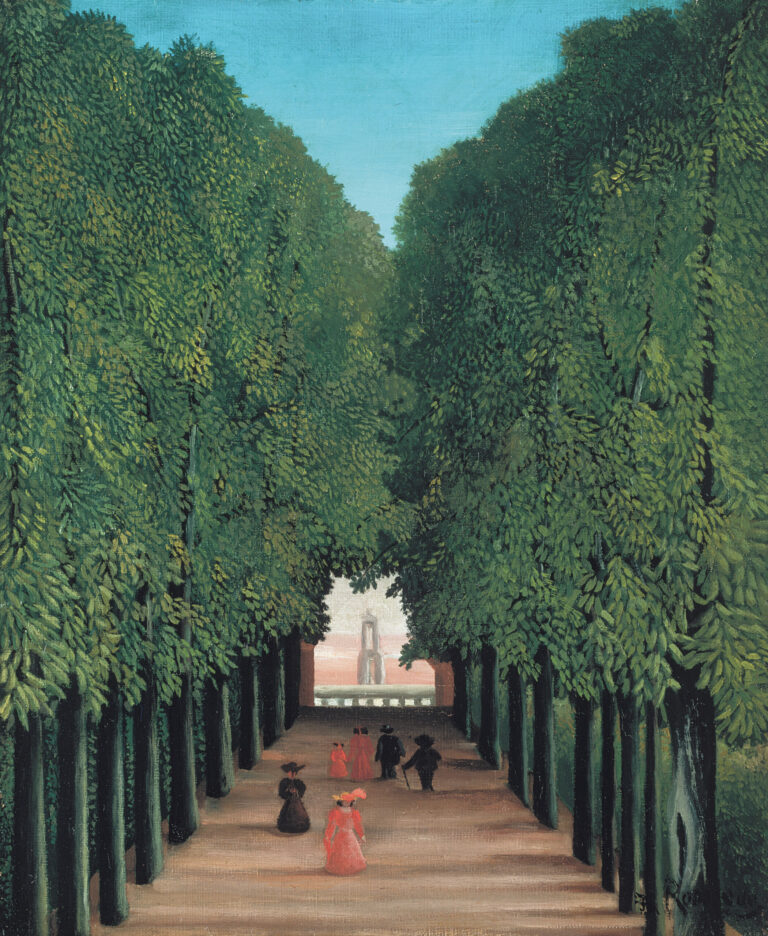
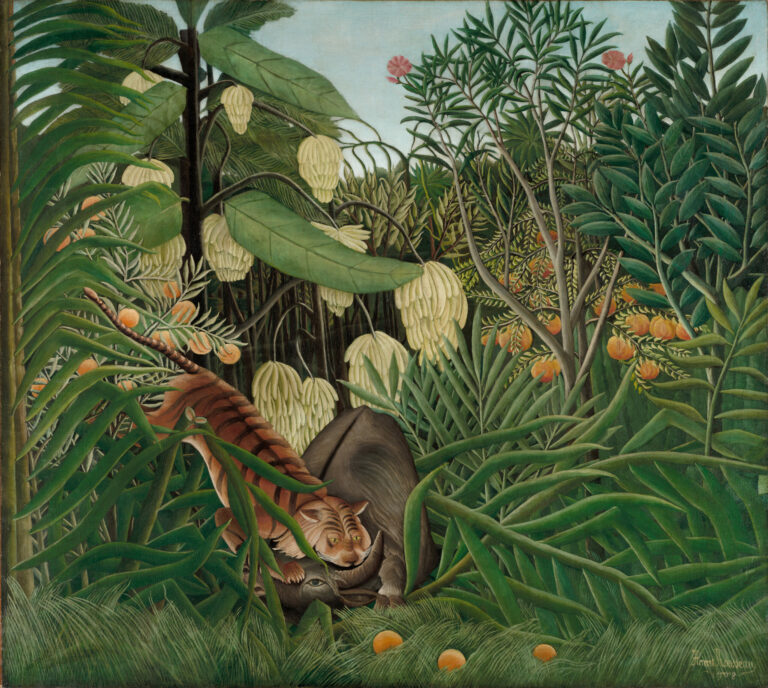
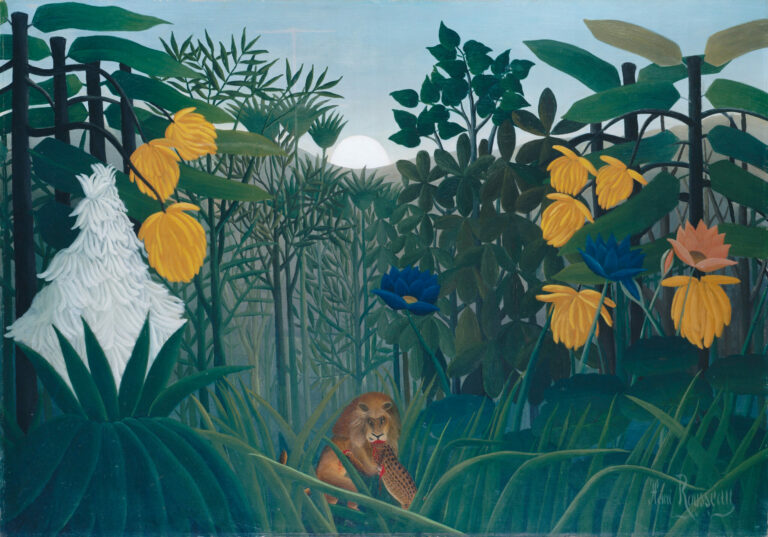
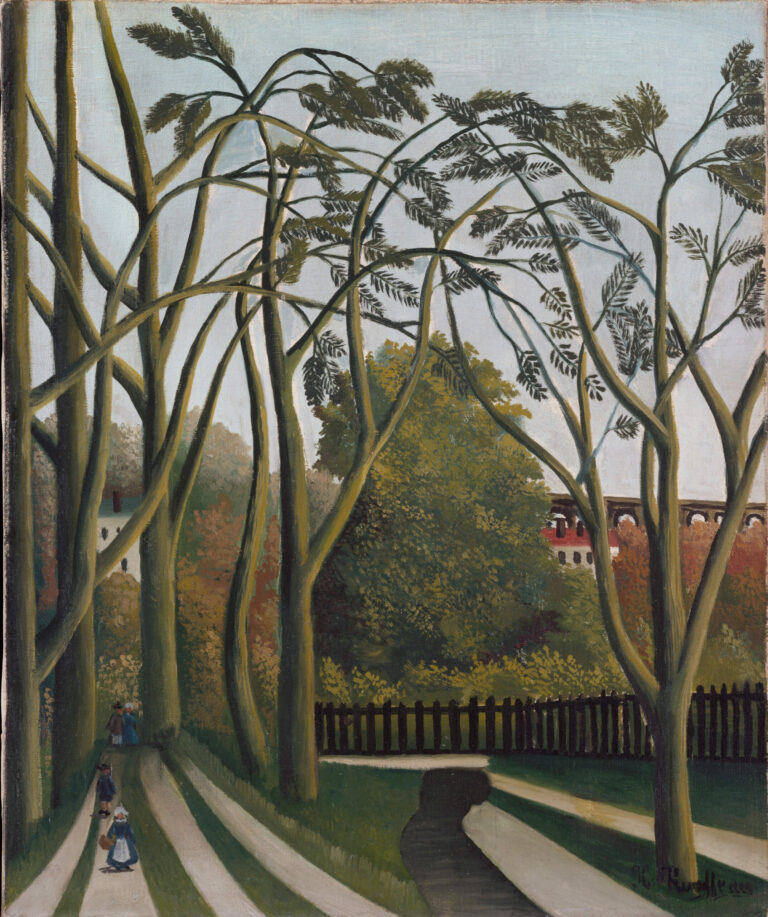
The year 2026 marks the 120th anniversary of the death of Paul Cézanne, who died in Aix-en-Provence on October 22, 1906, and several major institutions are paying tribute to him. In Philadelphia, the Barnes Foundation, home to one of the most important Cézanne collections in the world, has had a landmark year. The Musée de l’Orangerie was the first institution to receive loans from the Barnes collection, for the exhibition Henri Rousseau: The Ambition of Painting, shown from March 25 to July 20, 2026. It was the first time in nearly 40 years that paintings from the Barnes had been shown at another institution. The foundation is currently presenting Noguchi to Asawa: Designing Postwar America, from September 20, 2026 to January 10, 2027, as part of a program tied to Philadelphia’s commemoration of the 250th anniversary of the United States.
Source: Barnes Foundation.
A question for you
For centuries, the nude had to be perfect. What bothers you, or appeals to you, in these unfinished bodies?
About this work
- Bathers (Baigneurs)
- Paul Cézanne
- 1902–1904
- Oil on canvas
- 24 × 27.5 cm (9 7/16 × 10 13/16 in.)
- The Barnes Foundation, Philadelphia
- https://collection.barnesfoundation.org/objects/5662/Bathers-(Baigneurs)/