Pissarro
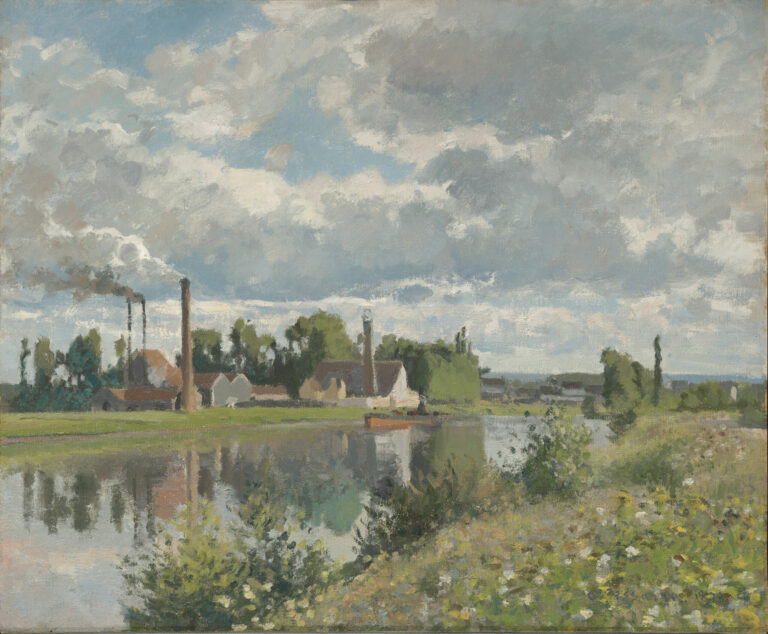
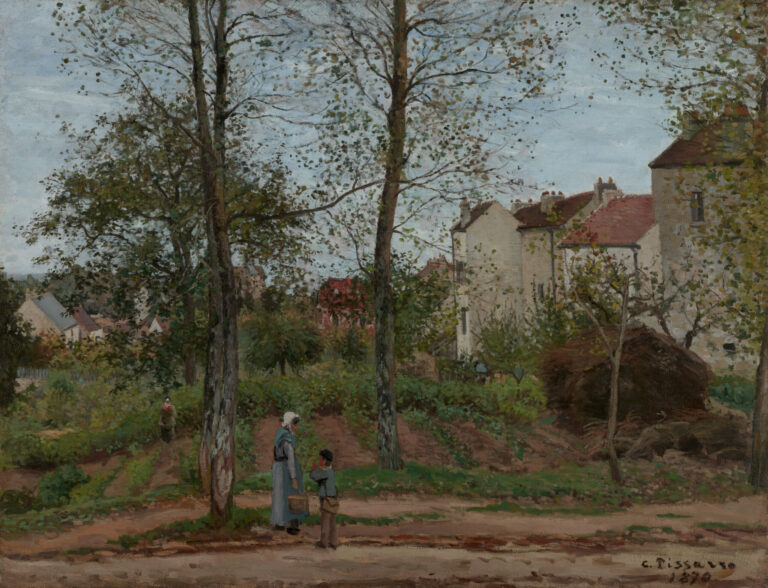
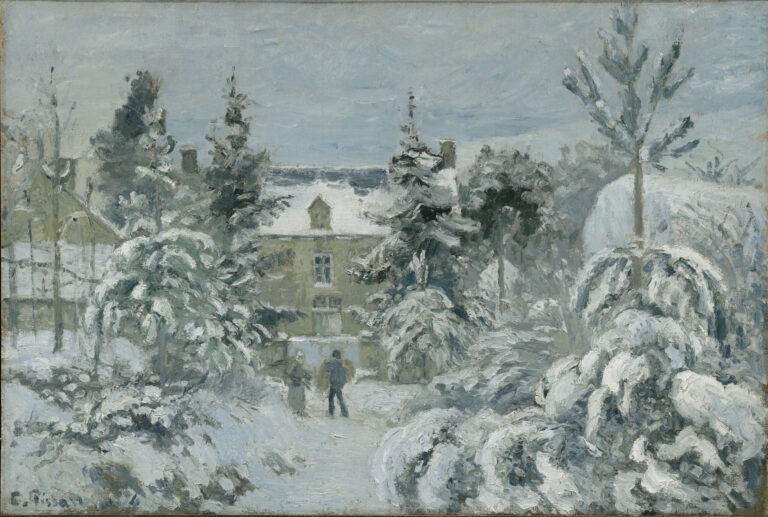
Camille Pissarro was born on 10 July 1830 in Charlotte Amalie, on the island of Saint Thomas in the Danish West Indies. Sent to school near Paris at the age of twelve, he discovered his gift for drawing before committing fully to painting after a formative journey to Venezuela. Settling in France in 1855, he formed close ties with Corot, then met Monet, Cézanne, and Guillaumin at the Académie Suisse — friendships that would lay the foundations of the Impressionist movement. The only artist to participate in all eight Impressionist exhibitions, renouncing the official Salon entirely, Pissarro settled in Pontoise and later in Éragny-sur-Epte in 1884, where rural landscapes and scenes of peasant life became his defining subjects.
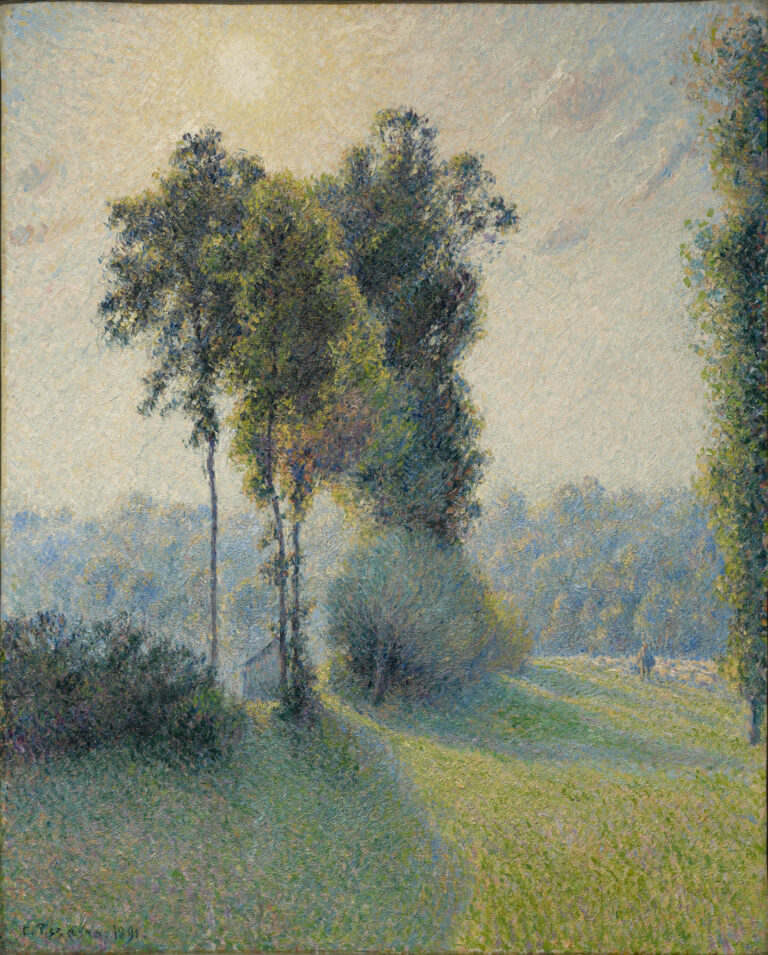
It is through landscape that Pissarro secured his place in art history: moving from the poetic realism of Corot, he became the mentor and moral compass of the Impressionist group, guiding figures such as Cézanne, Gauguin, Van Gogh and Matisse. In the 1880s he embraced Pointillism alongside Seurat and Signac before returning to his earlier manner. In his final years he turned to urban motifs — Parisian boulevards, Norman harbours — painting them in luminous series from his hotel windows. He died on 13 November 1903 in Paris, celebrated by all as the patriarch of Impressionism.