Dürer
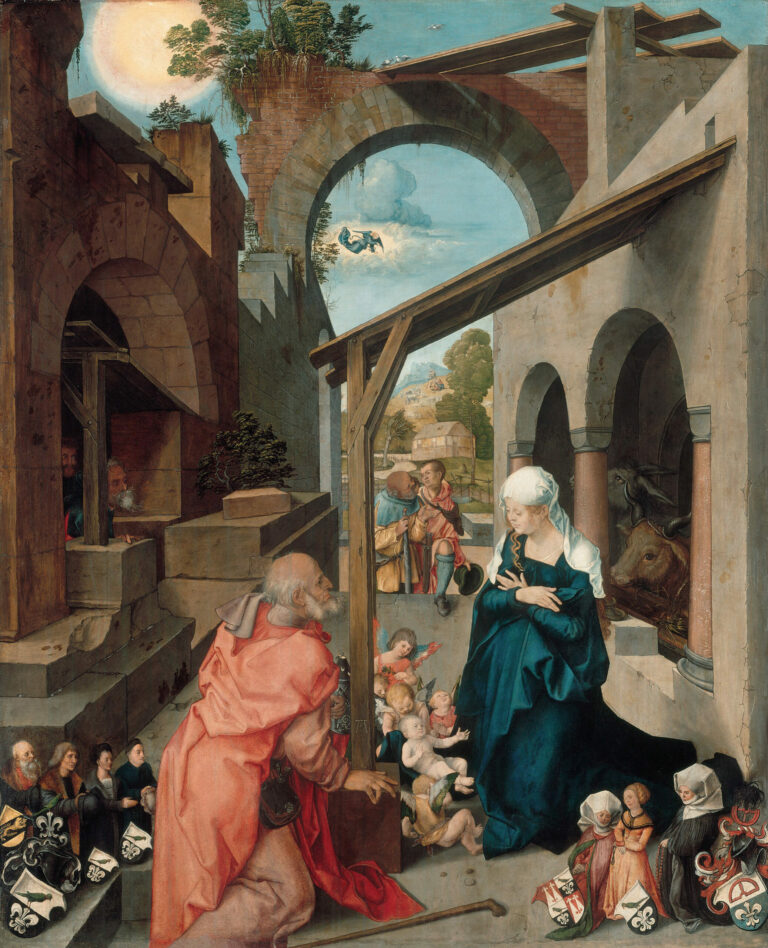
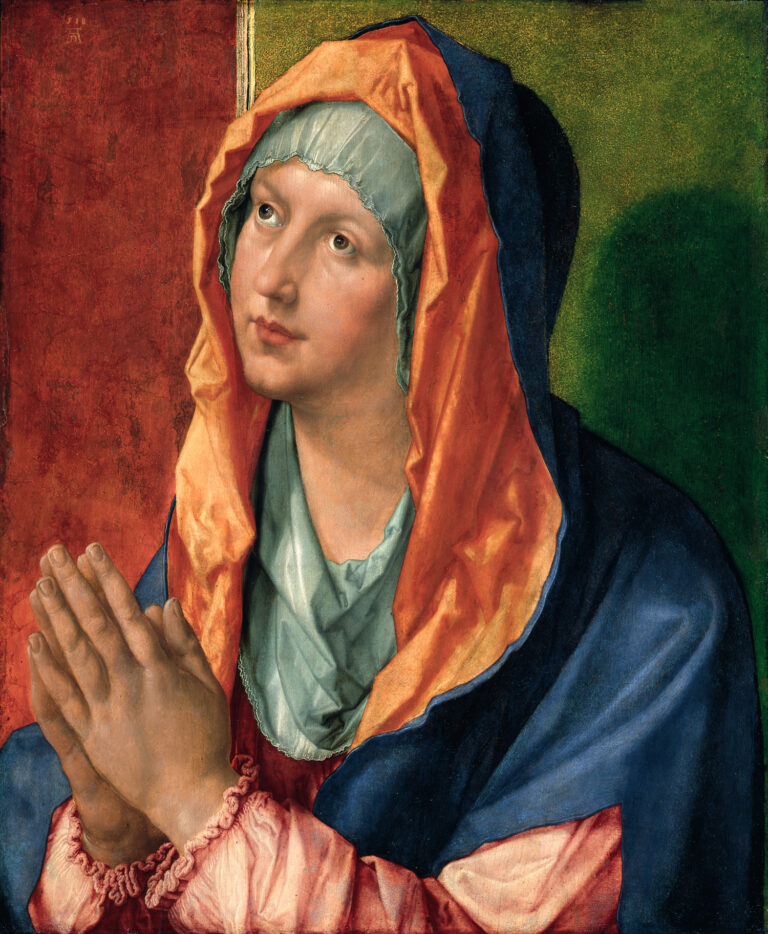
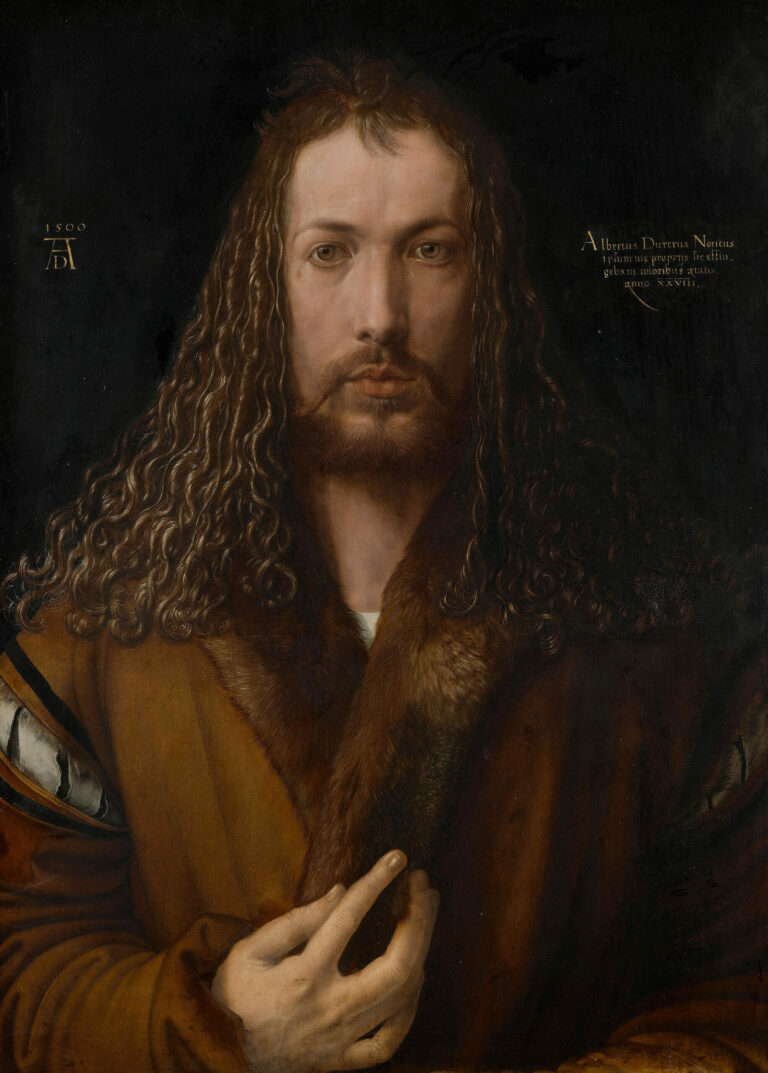
Albrecht Dürer was born on 21 May 1471 in Nuremberg, in the Holy Roman Empire. A draughtsman, engraver on copper and wood, painter and theorist, he is without question the most celebrated of all German artists. First trained in his father’s goldsmith workshop, he entered the studio of painter Michael Wolgemut in Nuremberg at the age of 15, before embarking on extensive travels across Europe. Art history has long recognised him as the artist who brought the Italian Renaissance to Northern Europe. His two stays in Venice, in 1494 and again in 1505, left a profound mark on his work and deepened his mastery of colour and perspective.
Dürer raised copper engraving to a level of perfection never since surpassed, and elevated woodcut printing — until then confined to simple book illustrations — to the rank of a major art form. Among his most celebrated works are The Four Horsemen of the Apocalypse (1498), Melencolia I (1514), Knight, Death and the Devil (1513), and the famous Rhinoceros (1515). The first Germanic artist to enjoy, during his own lifetime, a reputation rivalling that of the greatest Italian masters, and the first Northern theorist of art, Dürer also served as court painter to Emperor Maximilian I. He died on 6 April 1528 in Nuremberg, leaving behind a body of work that continues to shape the history of Western art.