Realism and the Barbizon School
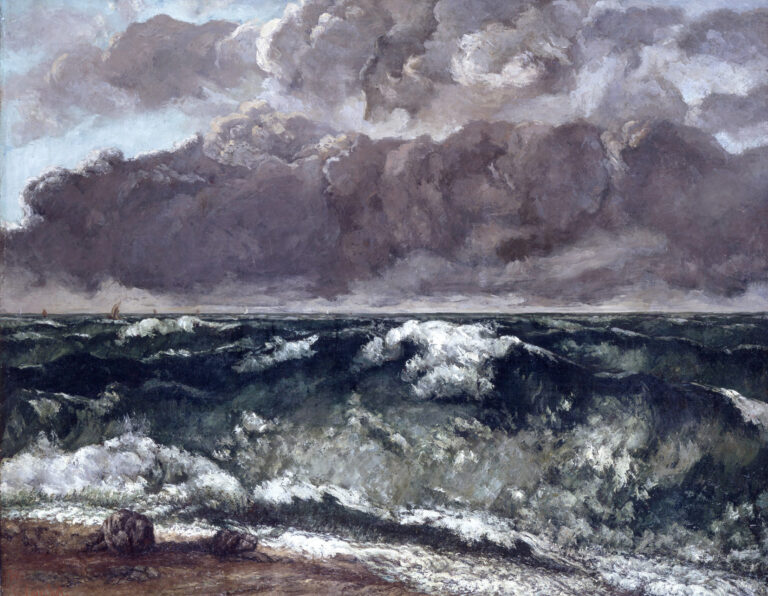
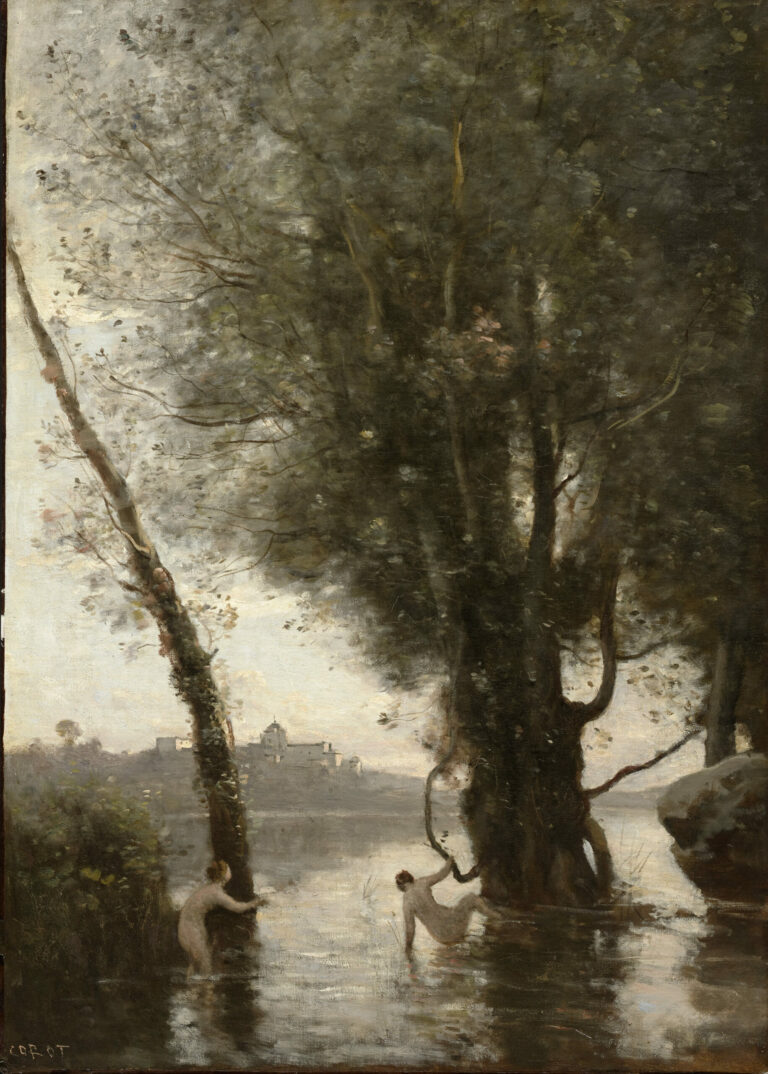
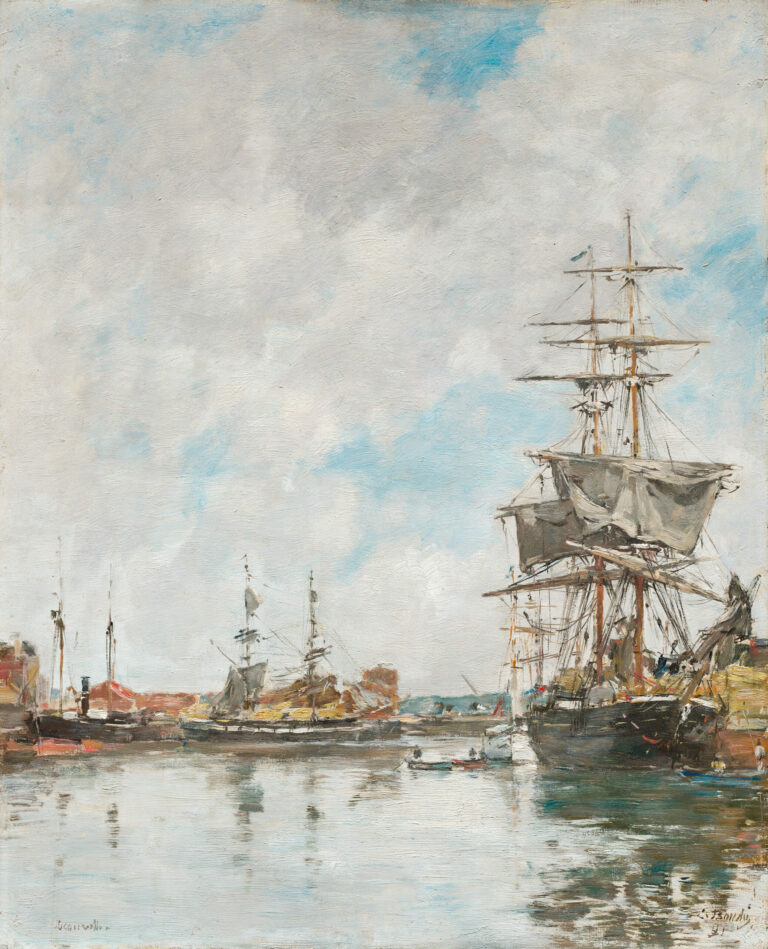
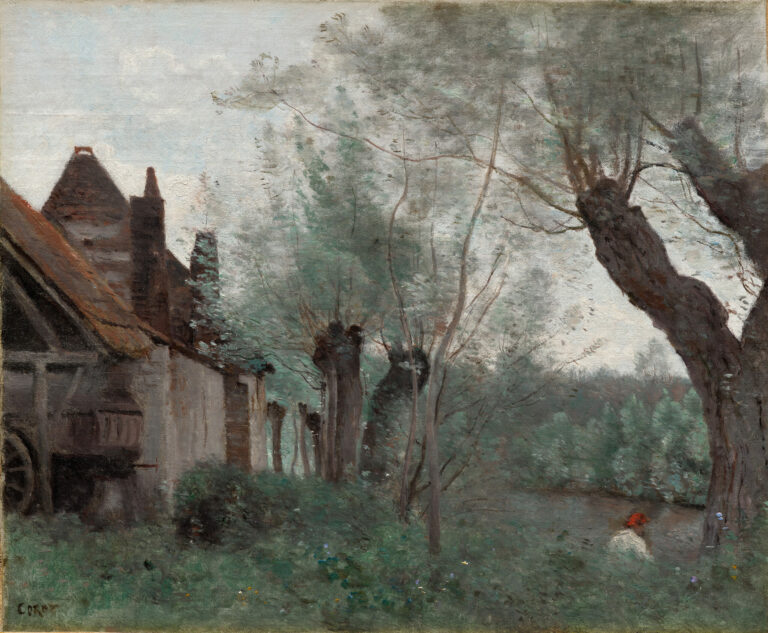
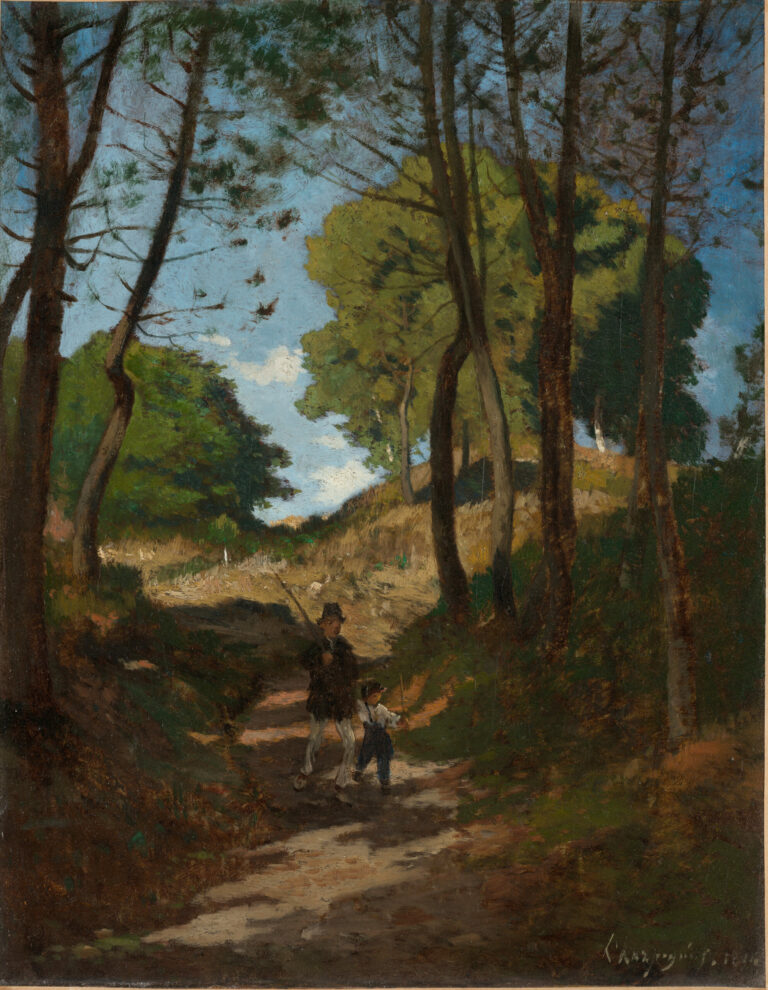
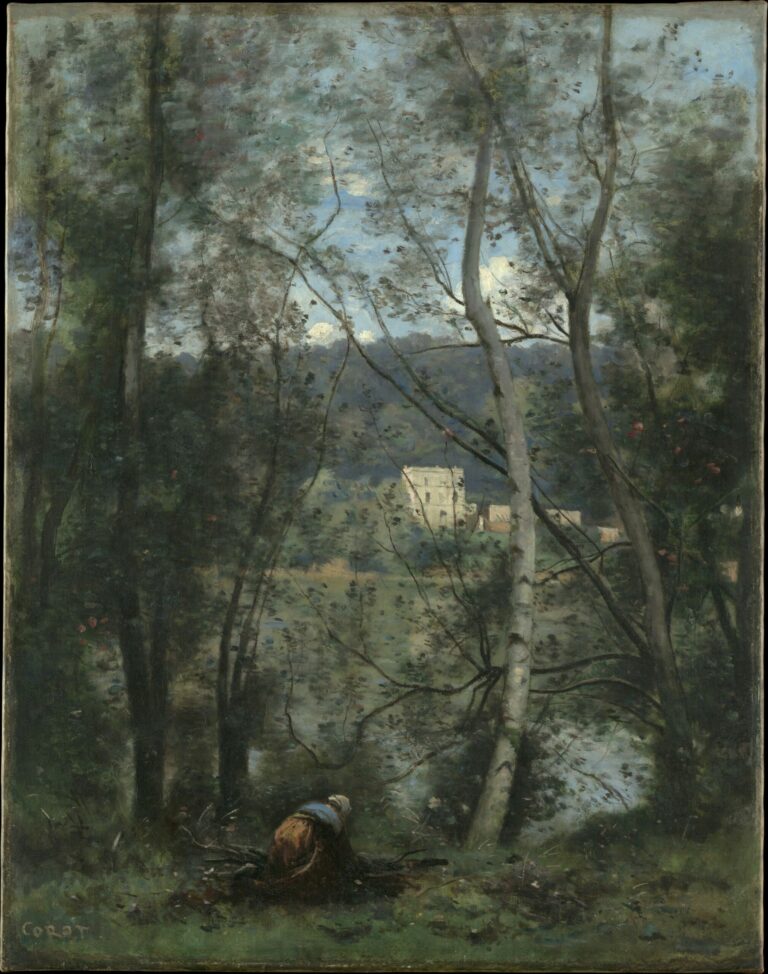
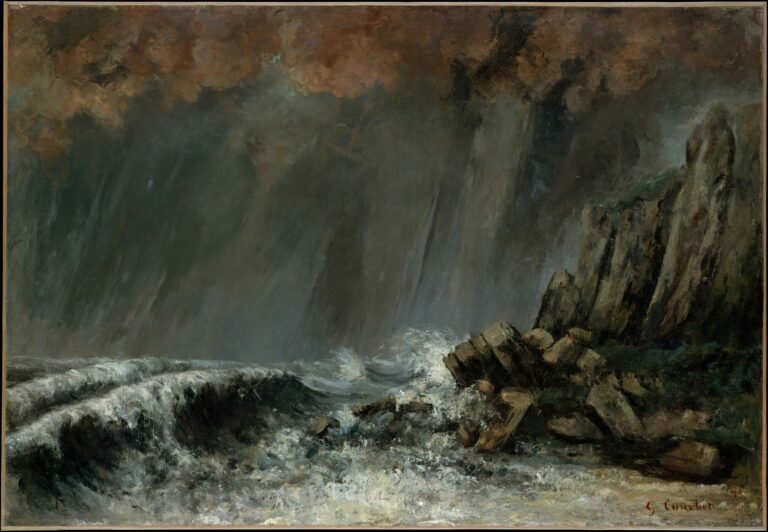
Realism and the Barbizon School. In the mid-19th century, a generation of French painters turned their backs on noble subjects, heroic compositions and Parisian studios. They went outside, into the forests of Fontainebleau, onto the Norman beaches, along the riverbanks, and painted what they saw, without idealising it.
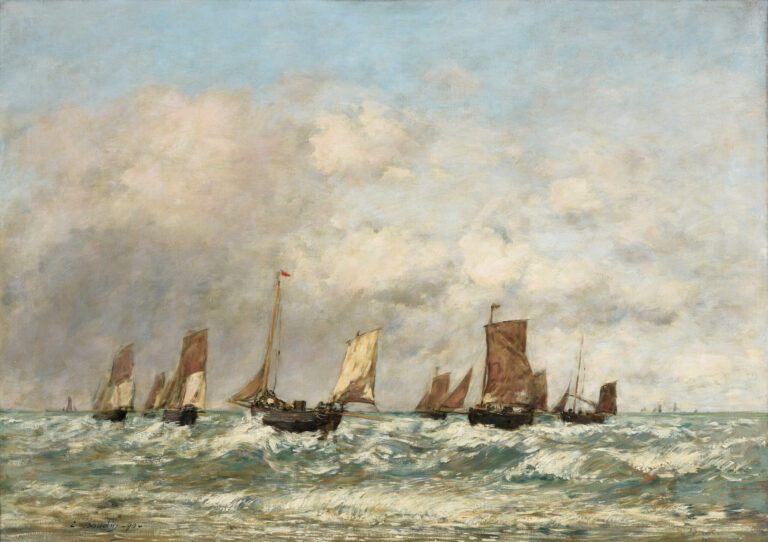
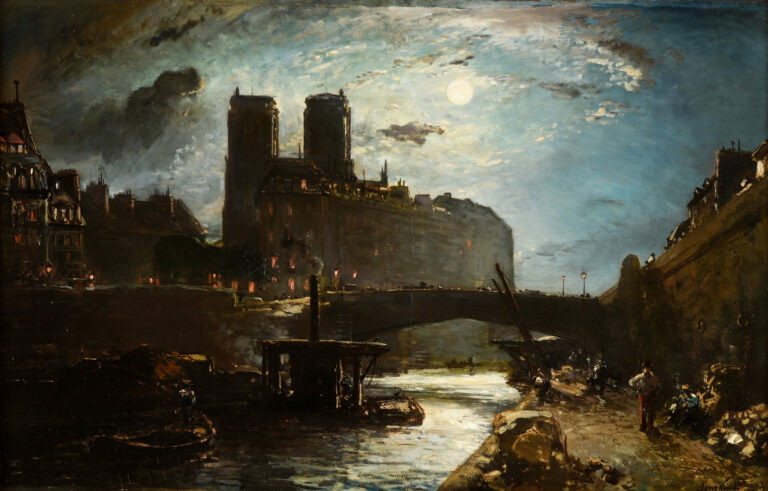
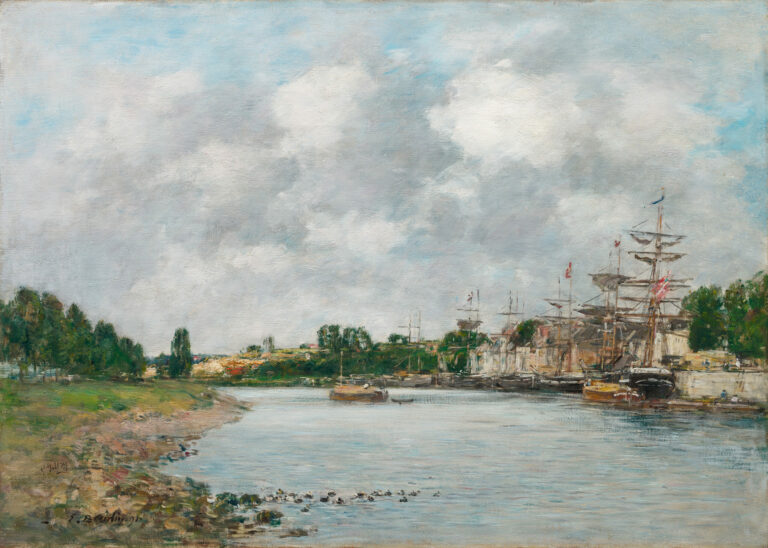
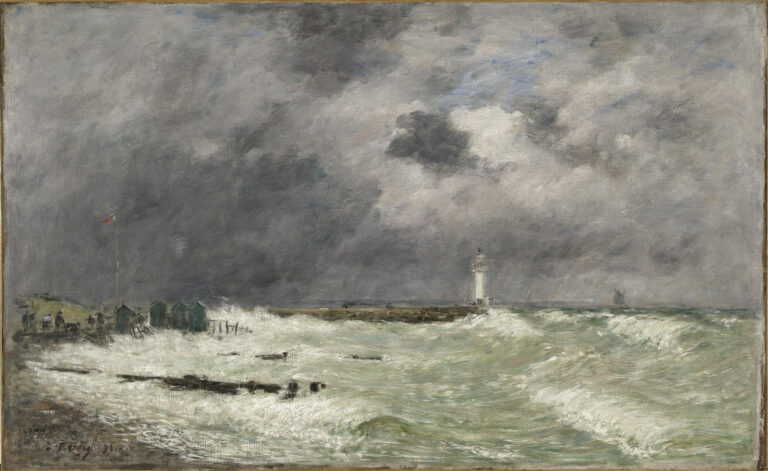
It was a quiet revolution, but a radical one. Gustave Courbet laid its theoretical foundations: painting must represent the real, not the ideal. Camille Corot and the Barbizon painters translated that conviction into landscapes of a new light, captured on the motif before the sun could shift. Eugène Boudin set up his easel on the beaches of Le Havre and Deauville. Jongkind painted the Seine and Notre-Dame as if the cathedral were an object of everyday life.
These artists did not yet invent Impressionism, but they laid the conditions for it. Monet would acknowledge Boudin as his first teacher. Without Barbizon, without Courbet, without those Norman skies painted in the open air, the Impressionist revolution does not happen.
VMuseum brings together here their works with a single guiding question: what does it mean to “paint the real”, and why did that ambition change the history of art?