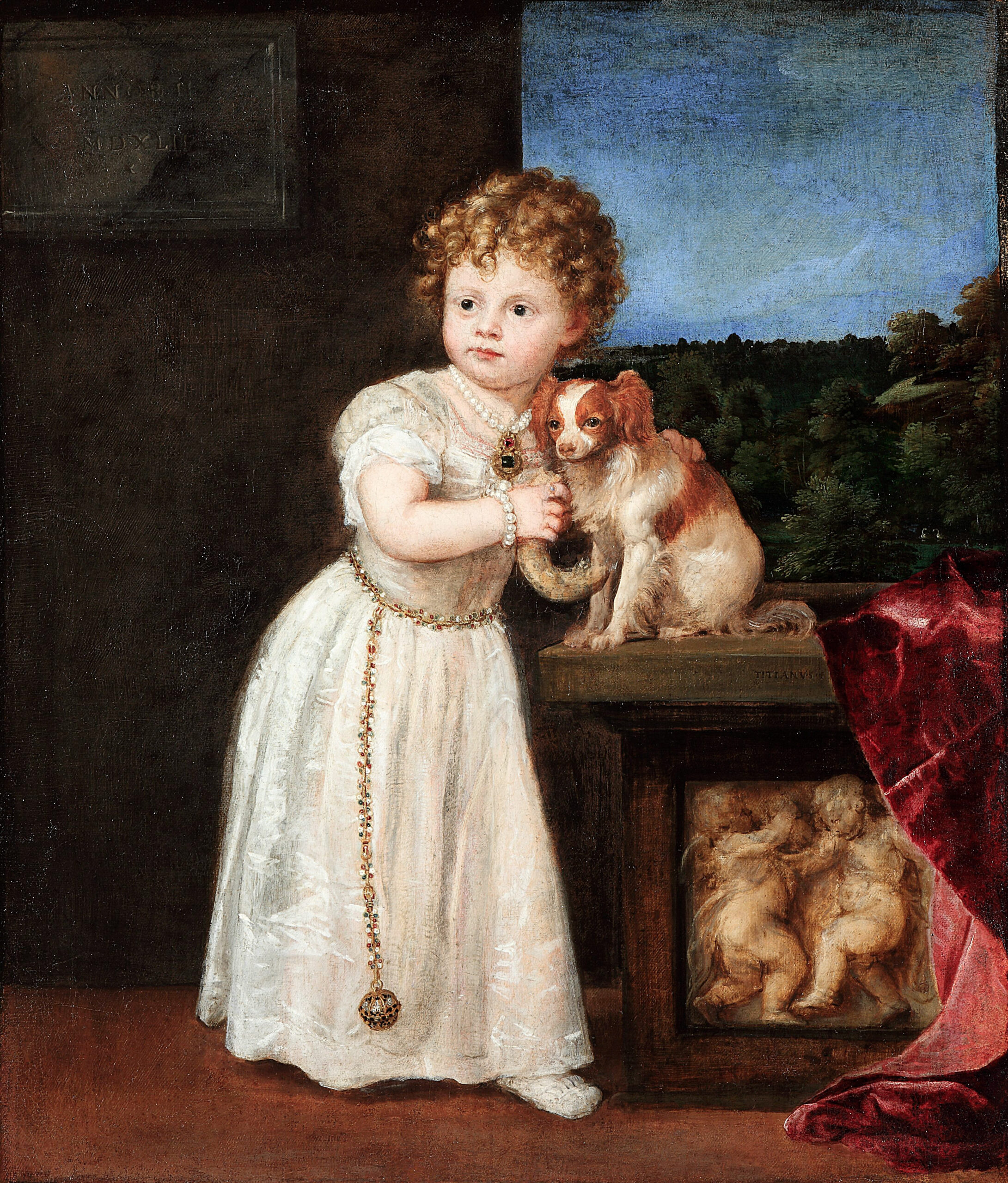
Venice, 1542. Titian turns his gaze toward a two-year-old girl. Her name is Clarissa Strozzi. She holds out a pretzel to her little dog. And something eternal begins.
A childhood frozen in silk
Clarissa stands upright, straight, at the centre of the canvas. Her white silk dress captures all the light. A long golden chain descends to her feet, ending in a pomander. Her curls frame a calm, almost grave face. At two years old, she poses with a remarkable serenity. Titian commands the rendering of flesh: the round cheeks seem alive. At the bottom, an antique bas-relief carves dancing putti. Behind, a window opens onto a verdant park.
A founding portrait of Italian painting
Why paint a two-year-old child? The Strozzi family, in exile in Venice since 1536, asserts its rank here. This portrait is one of the first autonomous child portraits in Italian painting — alongside Bronzino’s portraits of the Medici children. Pietro Aretino, friend and admirer of Titian, praised the beauty and naturalism of the work in a letter of July 1542. That same year, the Strozzis left Venice. This painting became their most intimate testimony.
Titian, master of the Venetian Renaissance
Tiziano Vecellio, known as Titian (c. 1488–1576), dominates Venetian painting of the High Renaissance. His vast body of work revolutionised the European portrait through its sensitivity to light and matter. Here, he transcends the official portrait: he paints a child, quite simply.
A question for you
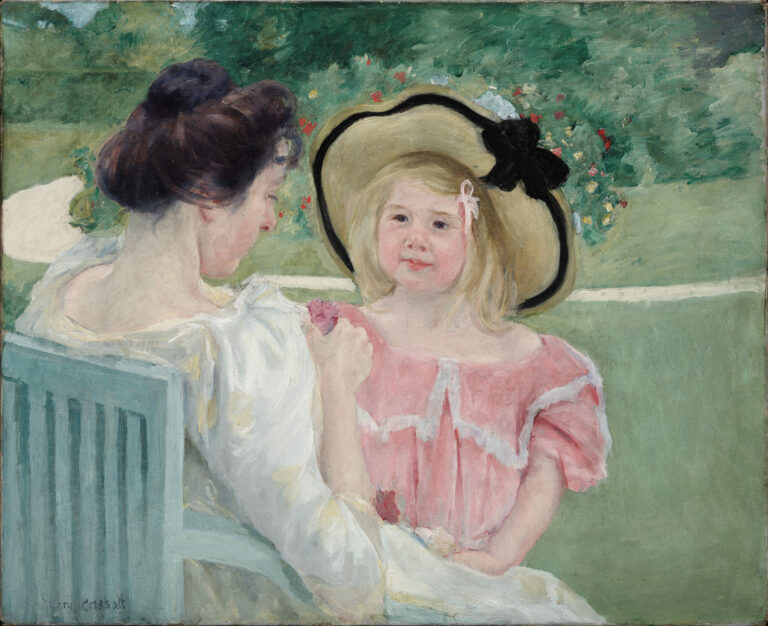
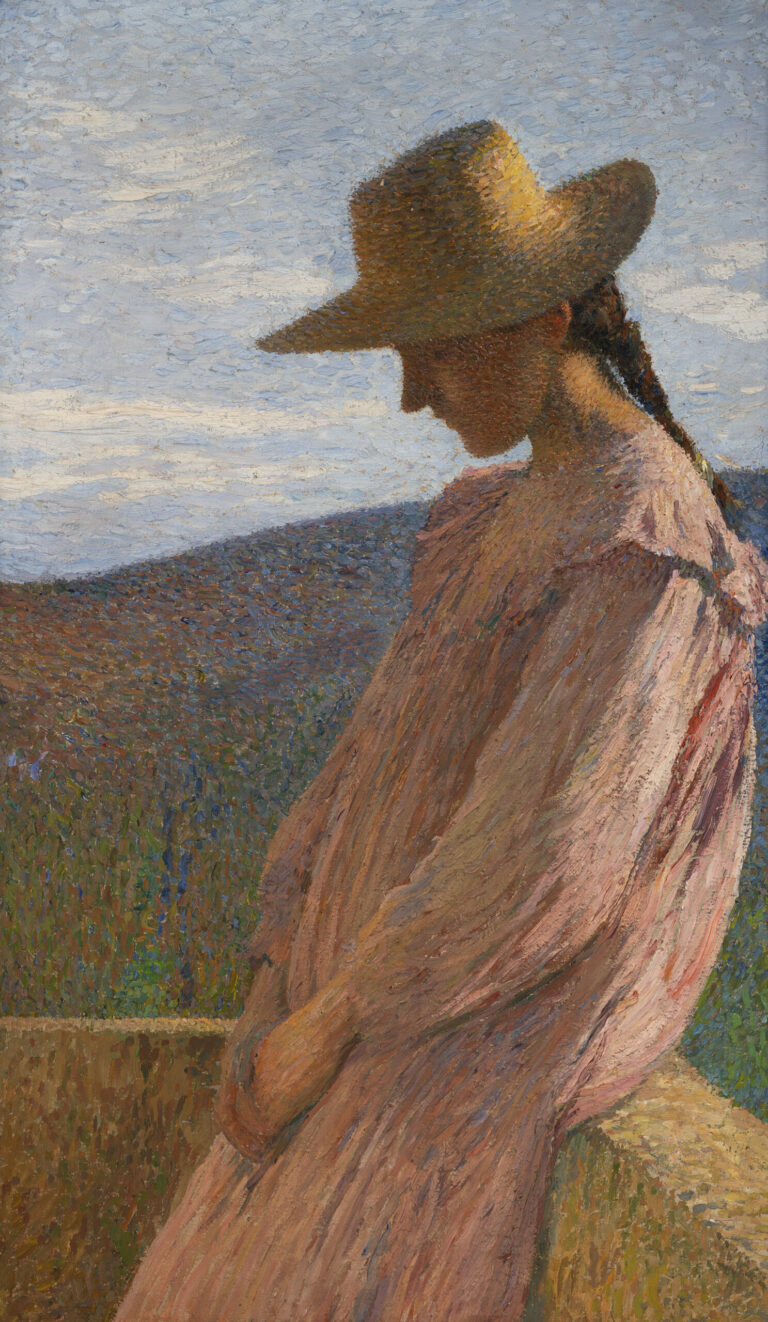
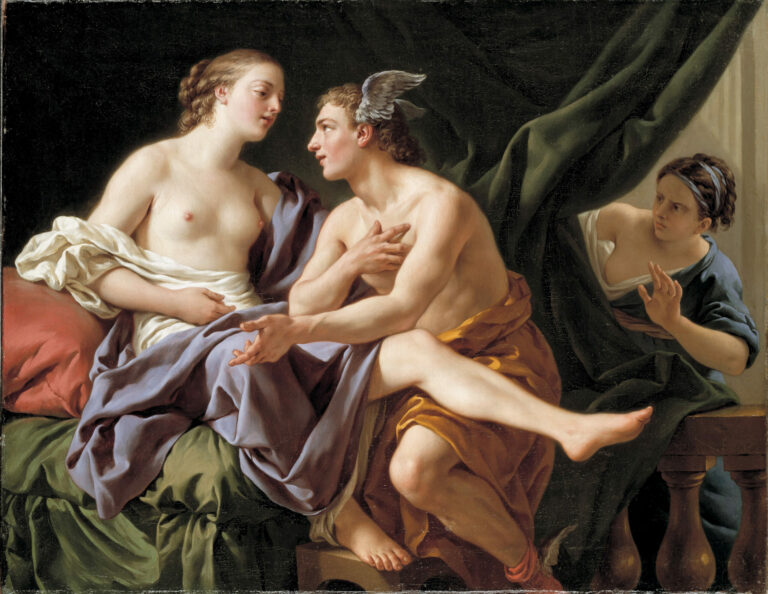
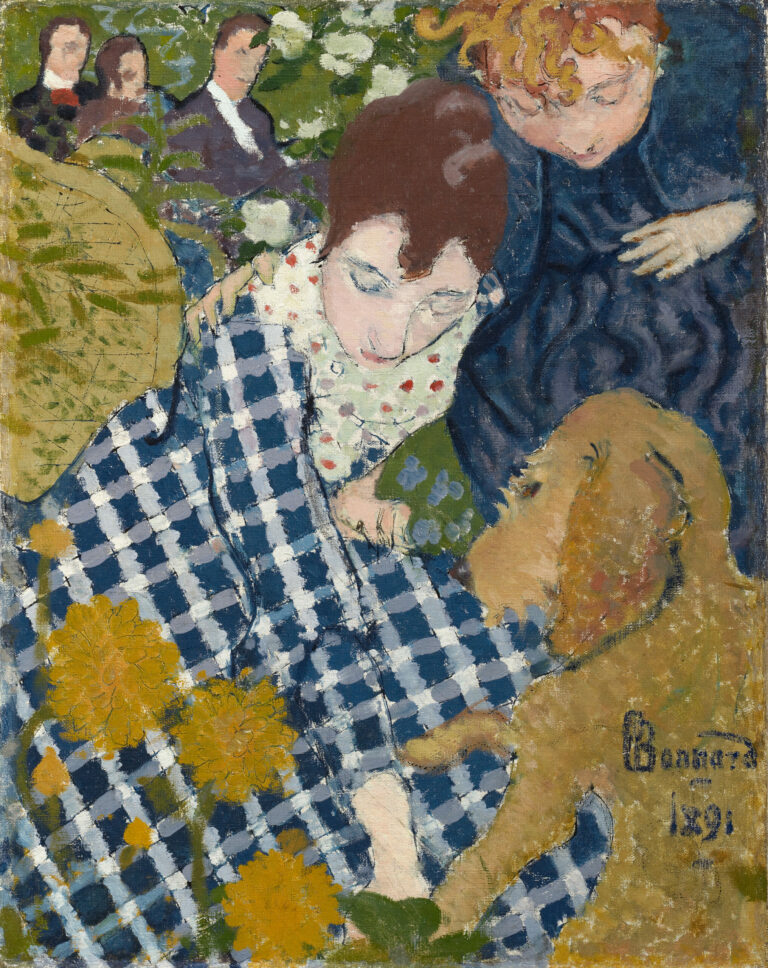
💭 In medieval painting, a child is merely a miniature adult. Here, Titian captures something unprecedented: an authentic childhood presence. Which other portrait of a child in art history does this gaze bring to mind?
About this work
- Clarissa Strozzi (1540–1581) at the Age of Two
- Titian
- 1542
- Oil on canvas
- 121.7 × 104.6 cm
- Staatliche Museen zu Berlin, Gemäldegalerie, Christoph Schmidt / Public Domain Mark 1.0
- https://recherche.smb.museum/detail/869327/clarissa-strozzi-1540-1581-im-alter-von-zwei-jahren